




Definition & Importance of an Employee Termination Agreement
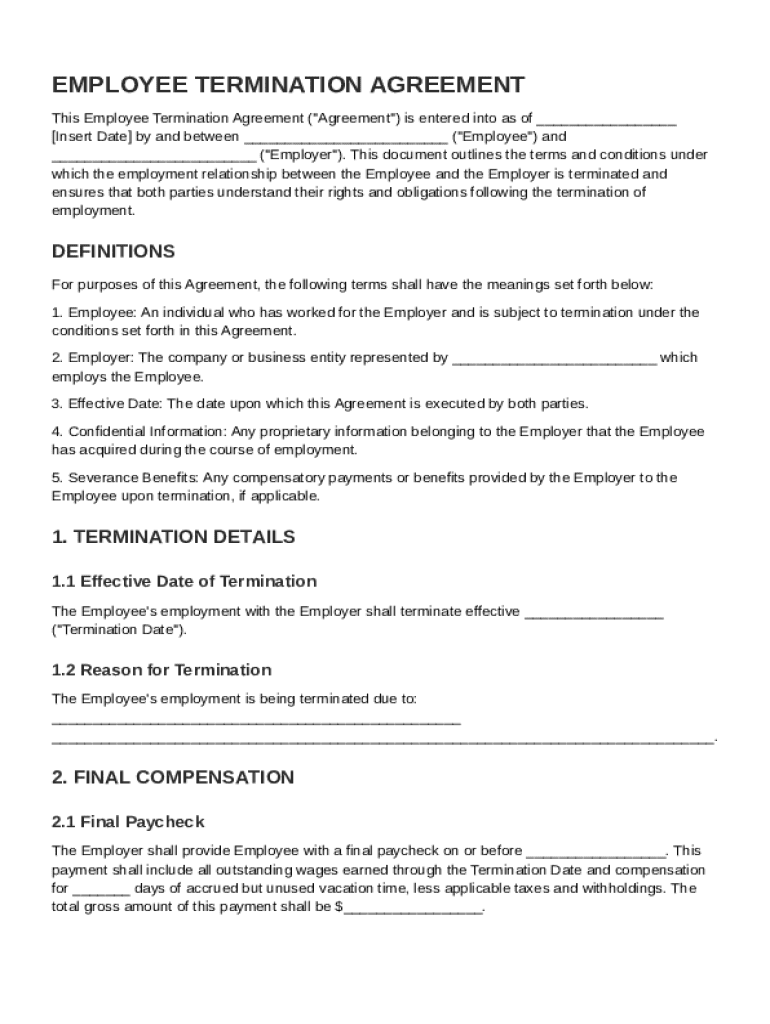
The Employee Termination Agreement Template is a legal document used to define the terms and conditions under which an employee's contract is terminated by the employer. This agreement is critical as it clarifies the rights and responsibilities of both parties post-termination, ensuring a smooth transition and minimizing potential legal disputes. Key components generally include details on final compensation, return of company property, confidentiality obligations, and release of claims. Understanding these elements helps prevent misunderstandings and protects both the organization and the individual from future liabilities.
How to Use the Employee Termination Agreement Template
To effectively use the Employee Termination Agreement Template, begin by downloading the document from a reputable source or platform like DocHub. The template typically includes preformatted sections that guide users through the completion process. Begin by filling in the employee and employer details, followed by specifying dates of employment and termination. Carefully review each section, ensuring all necessary details such as compensation and legal stipulations are appropriately documented. Before finalizing, both parties should review the agreement to confirm mutual understanding and acceptance of the terms.
Steps to Complete the Employee Termination Agreement Template
- Download and Open the Template: Access the template online and open it in a document editor.
- Enter Basic Information: First, input the relevant personal details of both the employee and employer, such as names, addresses, and positions held.
- Specify Employment and Termination Details: Document the starting and ending dates of the employment period along with the reason for termination.
- Outline Compensation Details: Clearly state the final compensation arrangements including any severance pay, bonuses, or unused vacation.
- Detail Return of Property: Include a list of company property to be returned by the employee and deadlines for return.
- Confidentiality and Release of Claims: Ensure that all confidentiality clauses are clearly visible, along with any conditions the employee agrees to with regards to releasing future claims.
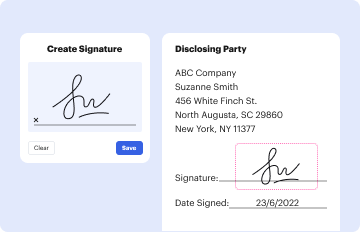
- Sign and Witness: Once complete, ensure both parties sign, date, and have their signatures witnessed where applicable.
Key Elements of the Employee Termination Agreement Template
- Employee and Employer Details: Key identification information for both parties is necessary for personal and official record-keeping.
- Employment Duration and Termination Date: Clearly stated time frames ensure there is no ambiguity regarding final working days.
- Final Compensation: Includes salary, benefits, bonuses, or severance owed, providing clarity on financial obligations.
- Return of Company Property: Lists items like devices, keys, or documents that must be returned to the employer.
- Confidentiality and Non-Disclosure: Legal clauses to protect sensitive company information post-employment.
- Release of Claims: A legal release where the employee agrees not to pursue any further claims against the employer.
Legal Use of the Employee Termination Agreement Template
This agreement serves as a vital legal tool for entities ending their professional relationship with an employee. Its primary purpose is to safeguard the interests of both the employer and the employee by legally documenting agreed terms. Legally binding clauses within the termination agreement are compliant with the United States laws, such as confidentiality obligations and release of claims. Legal advice may be sought to ensure compliance with specific state laws and to address any potential for litigation.
State-Specific Rules for the Employee Termination Agreement Template
While the Employee Termination Agreement Template follows a standard format, specific state laws within the United States may necessitate personalized content. For instance, severance pay requirements, non-compete enforcement, and employment discrimination protections may vary. It's advisable for individuals or businesses preparing these documents to consult with legal experts familiar with state-specific regulations or utilize a template that aligns with all relevant legal standards.
State-by-State Differences
State laws significantly affect the structure and contents of an Employee Termination Agreement. In states like California, there are restrictions on non-compete clauses, while Texas may have different provisions for severance pay. Additionally, particular notice requirements might differ—from the at-will employment clarifications common in many states to statutory notice periods mandated in others. Employers should ensure these variable elements reflect the legal requirements specific to their operating state.
Required Documents for Supporting the Employment Termination Process
Alongside an Employee Termination Agreement, several documents may be required to facilitate a seamless termination process. These typically include:
- Final Paycheck Statement: Details about the employee’s final salary and any accrued benefits.
- Company Property Checklist: An inventory list of items handed over to the employer upon termination.
- Confidentiality Agreement: A separate document that reinforces clauses outlined in the termination document.
- Exit Interview Form: Provides feedback on the employee’s experience and reasons for leaving, where applicable.
Having all the necessary documents in order ensures transparency in the termination process and helps mitigate potential disputes.