



01. Edit your edd poa online
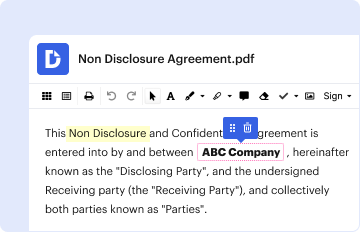
Type text, add images, blackout confidential details, add comments, highlights and more.

Type text, add images, blackout confidential details, add comments, highlights and more.
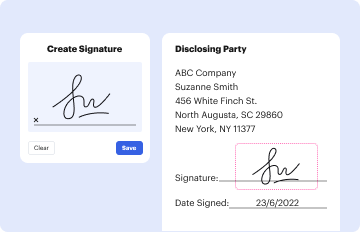
Draw your signature, type it, upload its image, or use your mobile device as a signature pad.

Send edd power of attorney via email, link, or fax. You can also download it, export it or print it out.
The EDD Power of Attorney (POA) is a legal document that allows an employer or taxpayer to appoint a representative to handle matters with the California Employment Development Department (EDD). Typically used for tax-related communications, this form ensures authorized individuals can act on behalf of the employer under the California Unemployment Insurance Code. It involves granting the representative rights to manage, negotiate, and resolve specific issues or general tax matters, providing a flexible yet legally secure means of handling complex administrative tasks.
To effectively utilize the EDD Power of Attorney, employers must first identify the specific tasks they wish to delegate to their representative. This could encompass general rights or specific duties such as handling communications or submitting documents. The form specifies which actions the representative can perform, ensuring clarity in their role. After completion, the document must be shared with relevant parties, ensuring all operations conducted by the representative are recognized as valid by the EDD.
Download the Form: Acquire the EDD Power of Attorney form either from the EDD website or directly at their offices.
Fill in Employer Information: Provide detailed employer data including business name, address, and identification numbers.
Designate the Representative: Clearly state the representative's name and contact details. Be precise about the tasks they are authorized to perform.
Specify Authorized Acts: Indicate whether the POA is for general tasks or specific acts only.
Sign and Date: The document must be signed by an authorized individual from the business or entity to be valid.
Submission: Submit the completed form to the EDD by mail or electronically.
Employer Information: Includes critical details like business name and identification numbers that verify the entity granting the POA.
Representative Designation: Outlines who is authorized to act, requiring comprehensive contact details.
Authorized Acts: Specifies the exact scope of authority the representative has, which could be broad or limited to particular cases.
Signatures: Validity of the form relies on appropriate signatures from each involved party to establish legal acceptance.
The POA form is governed under the California Unemployment Insurance Code and is meant for legal interactions with the EDD. It's important to ensure the document complies with these legal standards to avoid penalties. Representatives can be legally recognized for actions specified in the form, safeguarding the employer from unauthorized decision-making and ensuring proper resolution of tax matters.
California’s specific requirements for the EDD Power of Attorney differ significantly from POA forms used in other states. It's crucial to follow California legal guidelines strictly, which include particular documentation needed for appointments and adherence to state filing laws. This distinction is essential as non-compliance can lead to the rejection of the POA.
Online Submission: Offers a quick and efficient way to submit the form through the EDD website.
Mail: Traditional mailing is still a reliable method, especially for businesses that prefer hard copies.
In-Person: Directly submitting to EDD offices ensures immediate clarification of any issues.
In practice, an employer might use the EDD Power of Attorney to appoint an external accountant to manage tax filings and communications with EDD offices. Another example is a business owner delegating tax settlement negotiations to a professional tax attorney. Each use case demonstrates the flexibility and utility of this form in managing complex EDD interactions efficiently.
We've got more versions of the edd poa form. Select the right edd poa version from the list and start editing it straight away!
At DocHub, your data security is our priority. We follow HIPAA, SOC2, GDPR, and other standards, so you can work on your documents with confidence.
This Power of Attorney (POA) Declaration (DE 48) is your written authorization for an individual or other entity to act on your.
(a) Requirements. A power of attorney must contain the following information. (1) Name and mailing address of the taxpayer;. (2) Identification number of


