



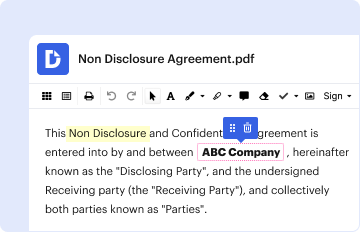
01. Edit your form online
Type text, add images, blackout confidential details, add comments, highlights and more.

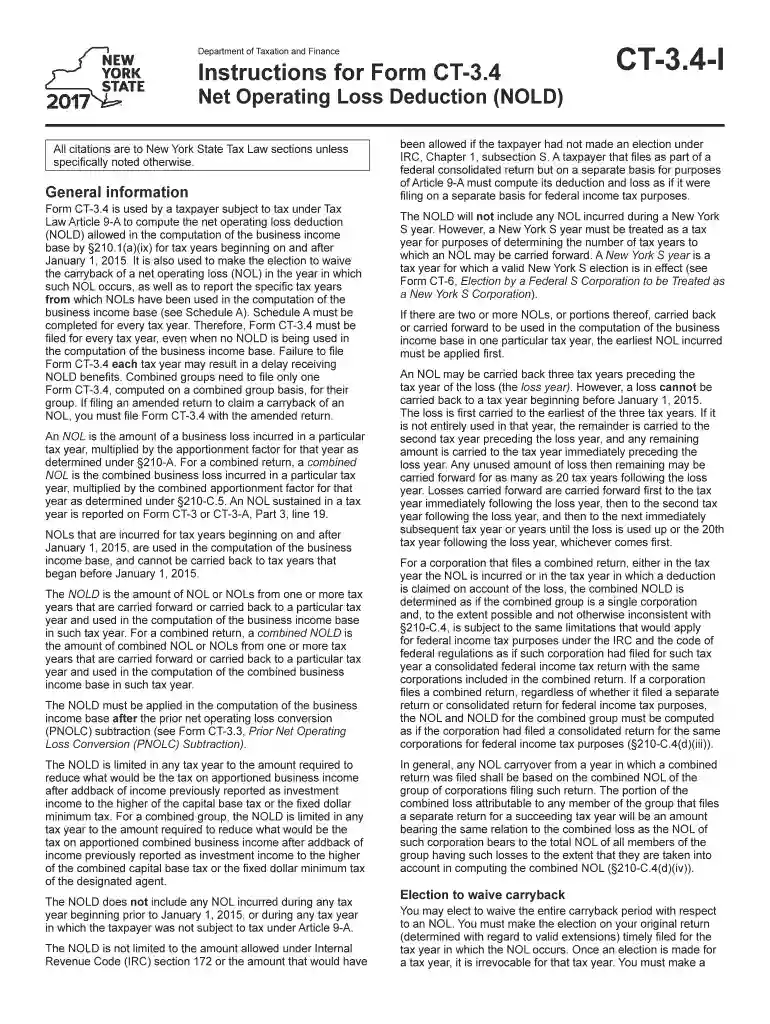
Type text, add images, blackout confidential details, add comments, highlights and more.
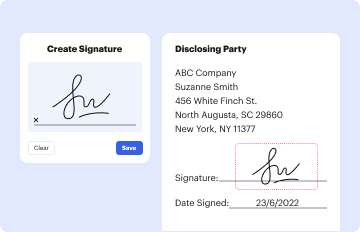
Draw your signature, type it, upload its image, or use your mobile device as a signature pad.

Send it via email, link, or fax. You can also download it, export it or print it out.
The Form CT-3 Instructions 2017 are guidelines issued for New York State corporations to file their Corporate Franchise Tax Return. These instructions provide essential details on how to accurately report and calculate taxes owed under Article 9-A of the New York State Tax Law. The form aids corporations in understanding the requirements for calculating gross payroll, total capital, and minimum taxable income. It is a critical component in ensuring compliance with state tax obligations for corporations operating in New York during the 2017 tax year.
The 2017 instructions for Form CT-3 encompass several critical elements, which include:
This form is primarily used by:
To complete Form CT-3, corporations should follow these steps:
Corporations can submit the Form CT-3 through several methods:
Understanding the jargon within the instructions is crucial for accurate filing:
Legal compliance with Form CT-3 requires understanding:
Failure to comply with the instructions can result in penalties, which may include:
New York State imposes specific rules for corporations filing Form CT-3, including:
By thoroughly understanding these components, corporations can ensure compliance and accuracy in their tax filings for the 2017 tax year.
We've got more versions of the form ct3 instructions 2017 form. Select the right form ct3 instructions 2017 version from the list and start editing it straight away!
| Versions | Form popularity | Fillable & printable |
|---|---|---|
| 2024 | 4.4 Satisfied (52 Votes) | |
| 2023 | 4.3 Satisfied (57 Votes) | |
| 2022 | 4.3 Satisfied (22 Votes) | |
| 2021 | 4.8 Satisfied (186 Votes) | |
| 2020 | 4.3 Satisfied (173 Votes) | |
| 2019 | 4.2 Satisfied (78 Votes) | |
| 2018 | 4.4 Satisfied (221 Votes) | |
| 2017 | 3.6 Satisfied (29 Votes) | |
| 2016 | 4.4 Satisfied (462 Votes) | |
| 2015 | 4.3 Satisfied (104 Votes) | |
| 2014 | 4 Satisfied (42 Votes) | |
| 2013 | 4 Satisfied (58 Votes) | |
| 2012 | 4 Satisfied (22 Votes) | |
| 2010 | 4.4 Satisfied (136 Votes) |
At DocHub, your data security is our priority. We follow HIPAA, SOC2, GDPR, and other standards, so you can work on your documents with confidence.
Request for an additional extension of time to file the following forms: Mark an X in both boxes if you are requesting an additional.
Tax for Corporations, must be filed to pay the MFI for tax years beginning on or after January 1, 2017, if your second preceding years franchise tax after
Withholding Tax Information, Tables and Publications, Withholding Forms, Athletes Entertainers, Household Employers Information, Returns, Links to Additional


