
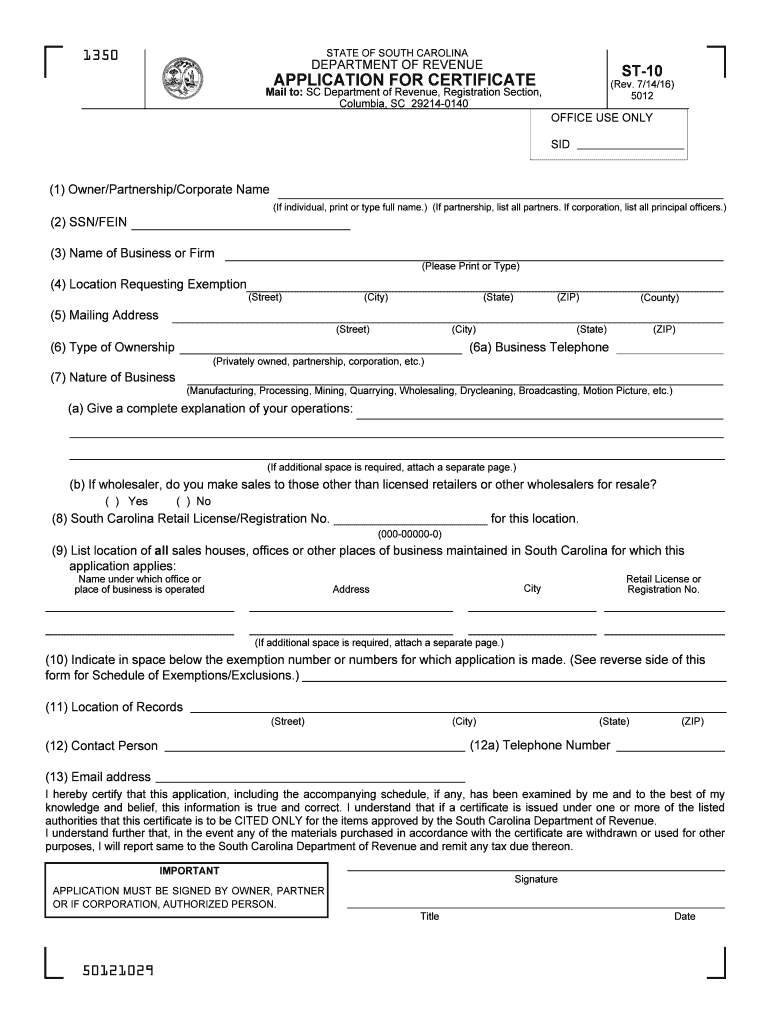







Definition and Meaning
The "Owner Partnership Corporate Name" refers to the legal designation used when a business is structured as a partnership or corporation. This name is crucial for legal and business transactions, serving as the official identifier in contracts, registrations, and tax filings. It distinguishes the entity from its owners, providing the business with a separate legal identity. This separation can affect the liability and tax obligations of the business and its owners.
Legal Identity
The corporate name offers a legal identity different from that of its individual owners. This status is vital for ensuring that the business can enter contracts, open bank accounts, and conduct transactions under its name rather than that of the individuals involved.
Liability Implications
Owning a partnership or corporation name impacts the liability of the owners. In a corporation, personal assets are generally protected from business debts. However, partnership structures may vary, with general partners often facing personal liability, unlike limited partners.
How to Use the Owner Partnership Corporate Name
The use of the owner partnership corporate name is foundational in business operations. Whether signing a contract, filing taxes, or opening a financial account, using this name ensures that the actions are recognized at the business level.
Contracts and Agreements
When engaging in contracts, the corporate name must be used to ensure that the agreement is binding on the business entity rather than personal owners.
Marketing and Branding
In marketing campaigns, the corporate name plays a critical role in establishing brand identity, creating recognition among customers and partners, and differentiating the business from competitors.
How to Obtain the Owner Partnership Corporate Name
Acquiring a corporate name involves several steps and considerations. It typically requires registration with the appropriate state authority to ensure that the name is unique and compliant with local laws.
-
Name Availability Check: Use state business registries to ensure your chosen name is not already in use by another entity.
-
State Registration: Register the name with your state's business division, often requiring a fee and submitted paperwork.
-
Federal Tax ID: Obtain an Employer Identification Number (EIN) from the IRS under your corporate name.
Considerations for Selection
- Ensure the name reflects the business's mission and market.
- Check for trademarks to avoid legal issues.
Steps to Complete the Owner Partnership Corporate Name
Completing the registration process for your owner partnership corporate name involves several key steps designed to establish the business legally.
-
Document Preparation: Gather all necessary documents, including partnership agreements and corporate bylaws.
-
Submission to State Authority: File the required forms with your state’s business division, typically including Articles of Incorporation or a Certificate of Partnership.
-
Publish a Notice: In some states, new corporations must publish a notice in local newspapers to announce formation.
Follow-Up
Once registered, maintain compliance with annual filings and potential renewal of registration.
Why Should You Establish an Owner Partnership Corporate Name
Establishing an owner partnership corporate name is crucial for several reasons, ranging from legal protection to professional growth.
Legal Protection
This setup provides legal protection by creating a separate legal identity for the business. This separation is crucial for protecting personal assets from business liabilities.
Professional Reputation
Having a registered corporate name enhances professional credibility and reputation among clients, suppliers, and financial institutions, fostering trust and facilitating growth.
Who Typically Uses the Owner Partnership Corporate Name
A broad range of entities use the owner partnership corporate name, particularly those wanting to establish a formal business structure.


Business Entities
- Corporations: Large and small companies seeking limited liability and perpetual existence.
- Partnerships: Includes general and limited partnerships benefiting from structured business operations.
Specific Examples
Legal firms, accounting practices, and startups commonly use partnership or corporate names to delineate business from personal activities.
State-Specific Rules for the Owner Partnership Corporate Name
State regulations can significantly impact the naming and registration process. Each state has unique compliance requirements, which must be followed to maintain a valid registration.
Common Variations
- Name Restrictions: Some states prohibit the use of certain words like “bank” or “insurance.”
- Publication Requirements: Publishing a company formation notice is obligatory in several jurisdictions.
Key Elements of the Owner Partnership Corporate Name
A comprehensive understanding of the essential elements involved in the owner partnership corporate name can assist in proper registration and compliance.
Elements to Consider
- Unique Identifier: The name must not be deceptively similar to existing registered entities.
- Suffixes Required: Legal designations such as “Corp.” for corporations or "LP" for limited partnerships.
Filing Deadlines and Important Dates
Awareness of filing deadlines is essential for maintaining legal standing and avoiding penalties.
Registration and Reporting
- Annual Reports: Most states require yearly filings summarizing financial positions and any key management changes.
- Initial Filing Deadlines: Strict timelines must be adhered to upon forming a new partnership or corporation.
Penalty Avoidance
Timely submission ensures compliance and avoids fines, which can be costly for nascent businesses.
By understanding comprehensive elements, procedural requirements, and legal specifications, businesses can effectively manage their owner partnership corporate names. Ensuring compliance with legal practices and state-specific guidelines is essential for establishing a reputable and legally sound business entity.




