





Understanding the FORM OMHA-100: Definition and Context
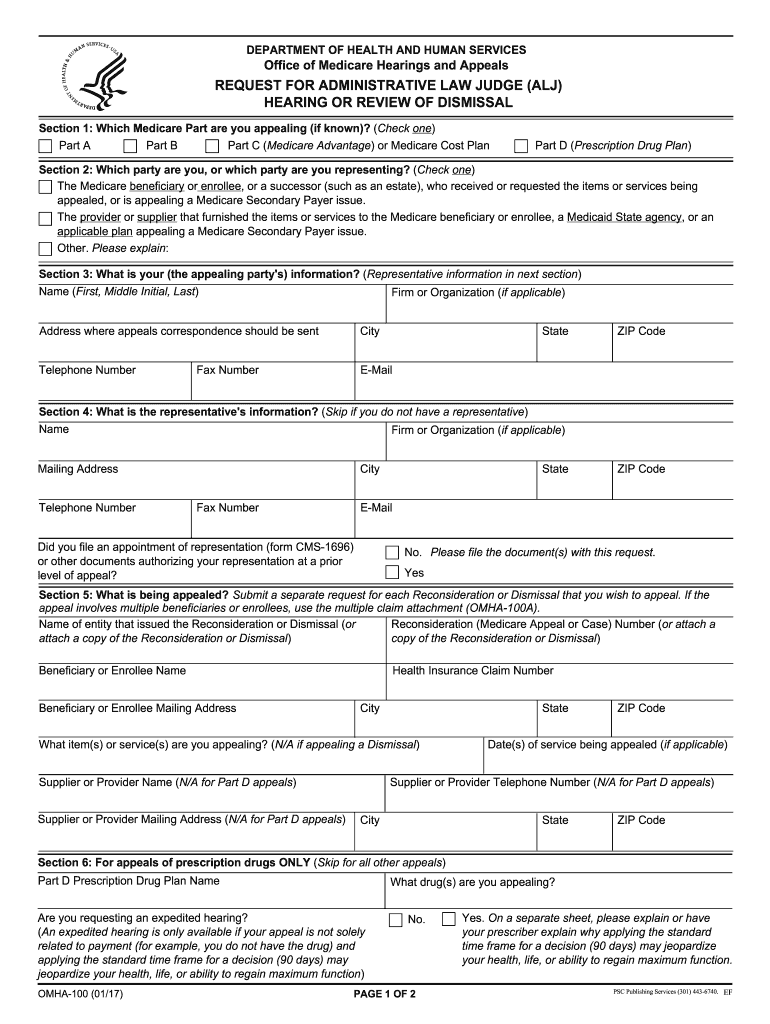
The FORM OMHA-100, officially known as the Request for Administrative Law Judge (ALJ) Hearing or Review of Dismissal, is a critical document used in the Medicare appeals process in the United States. This form is specifically designed for parties who wish to contest decisions made over Medicare claims and appeals. By submitting this form, individuals or entities can request a formal hearing with an Administrative Law Judge, allowing for a thorough review of the case at hand.
The form includes vital sections that capture essential information related to the appeal, such as identifying the specific Medicare Part involved, the individual's or entity's details, and the particulars surrounding the dismissal or reconsideration being challenged. Accurate completion of this form is necessary to ensure that the appeal is processed efficiently and effectively.
Key Components of the Form
- Identifying Parties: It requires the information of the appealing party, including name, address, and Medicare number.
- Details of the Dismissal: A section must outline the specific dismissal or reconsideration being contested.
- Evidence Submission Instructions: The form contains guidelines on how to submit any supporting evidence relevant to the hearing.
- Filing Instructions: Clear instructions on how and where to file the completed form are included.
How to Utilize the FORM OMHA-100 Effectively
Using the FORM OMHA-100 entails understanding its purpose and following the established guidelines for a successful appeal process. Individuals typically utilize this form when they receive a notice related to a denial of claims or dismissals from previous levels of appeal, such as from the Medicare Contractor's Reconsideration stage.
To use the form most effectively, you should follow these steps:
- Identify the Need for an ALJ Hearing: Determine if the situation warrants an escalation from previous administrative levels.
- Obtain the Form: Acquire the FORM OMHA-100 from official government resources or online platforms that provide access to federal forms.
- Complete the Form: Accurately fill in all required sections, ensuring that all information is precise and detailed.
- Prepare Supporting Evidence: Collect any documentation that will support your case, as evidence is essential for a successful appeal.
- Submit the Form: File the completed form following the provided instructions, either online or via mail.
Understanding the submission process helps streamline this critical phase of the appeal.
Steps to Complete the FORM OMHA-100 Accurately
Completing the FORM OMHA-100 requires careful attention to detail to minimize errors that could delay the appeal process. Here are the steps you should follow:
- Start with Personal Information: Fill out your name, contact information, and Medicare number, as accuracy in these fields is vital.
- Specify the Medicare Part: Indicate which part of Medicare your request pertains to, such as Part A or Part B, making sure to be specific.
- Provide Details of the Dismissal: Clearly explain the dismissal you are appealing, including the decision date and the grounds for your appeal.
- Attach Supporting Evidence: Include all relevant documentation that may support your case. This could include letters, medical records, and any prior communication.
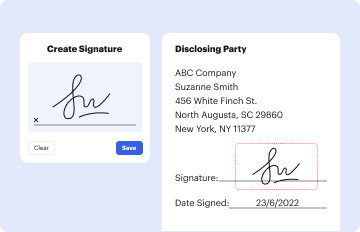
- Review and Sign the Document: Before finalizing, review all information for accuracy and completeness, then sign and date the form.
- Submit the Form Following the Instructions: Decide whether to submit electronically or via postal service. Follow the specific instructions provided to ensure your form is received properly.
Accurate completion will help ensure a timely review of your case.
Typical Users of the FORM OMHA-100
The FORM OMHA-100 is predominantly utilized by a range of individuals and entities, primarily those involved in the Medicare program. Typical users include:
- Medicare Beneficiaries: Individuals seeking to contest decisions regarding claims or services.
- Healthcare Providers: Hospitals, doctors, and other healthcare professionals who may need to appeal reimbursement decisions.
- Legal Representatives: Attorneys or advocates who assist individuals in navigating the complex appeal process on their behalf.
Understanding who typically uses this form helps underscore its importance in the broader context of the Medicare appeals system.
Important Terms Related to the FORM OMHA-100
Familiarity with key terms associated with the FORM OMHA-100 enhances clarity during the completion and submission process. Important terms include:
- Administrative Law Judge (ALJ): A judicial official who conducts hearings and makes decisions on Medicare appeals.
- Dismissal: The termination of a claim or appeal, which can be contested through the FORM OMHA-100.
- Reconsideration: The initial appeal level prior to an ALJ hearing, where a decision is reviewed based on submitted evidence.
Knowing these terms fosters a deeper understanding of the processes involved in utilizing the FORM OMHA-100 effectively.