
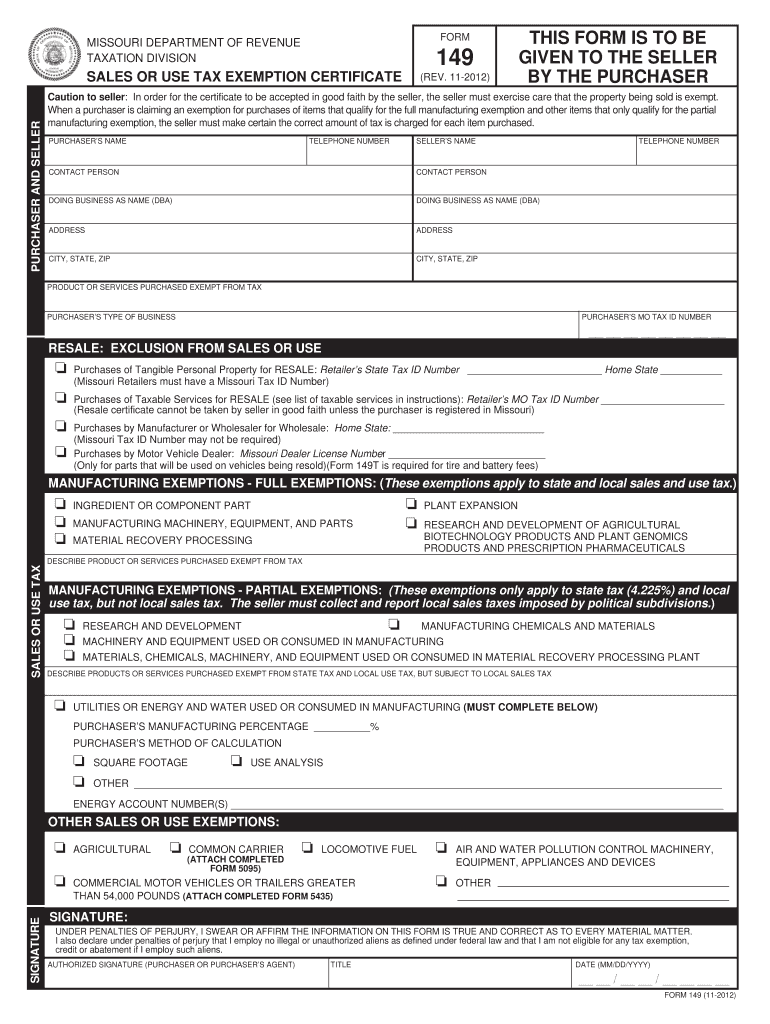







Overview of the Pennsylvania Exemption Certificate (REV-1220)
The Pennsylvania Exemption Certificate, also known as REV-1220, is a critical document utilized by purchasers wishing to claim an exemption from sales or use tax when acquiring specific goods or services within Pennsylvania. This form is especially relevant in transactions involving manufacturing and resale. By understanding the proper use of the REV-1220, businesses and individuals can ensure compliance with Pennsylvania tax regulations while maximizing potential tax savings.
Key Elements of the REV-1220
- Purpose: The REV-1220 serves as proof that the buyer is exempt from sales or use tax for particular purchases.
- Types of Exemptions:
- Full exemptions for resale items
- Partial exemptions applicable to manufacturing activities
- Required Information:
- Details about the purchaser, including name and address
- Information about the seller
- Specification of the exemption type being claimed
The accuracy of the information provided on this certificate is essential for its validity. Incorrect details may lead to rejection of the exemption claim during tax assessments.
Steps to Complete the REV-1220
- Gather Necessary Information: Before starting the form, collect all required details about your business and the items being purchased.
- Fill Out Purchaser Information:
- Include your name, business name, address, and tax identification number.
- Detail Seller Information: Enter the seller’s name and address to establish the transaction.
- Specify the Exemption Type:
- Clearly indicate the type of exemption being claimed (e.g., resale, manufacturing).
- Signature: The form must be signed to validate the exemption claim.
It's crucial to review the completed form for accuracy to avoid complications during the tax audit process.
Legal Use of the REV-1220
The REV-1220 is legally recognized under the Pennsylvania Department of Revenue's regulations. The document must be appropriately completed and presented to the seller at the time of purchase. It serves as legal evidence that the seller is not required to charge sales tax for exempt transactions.
- Legislation: The use of this form adheres to the state’s tax laws as dictated by the Pennsylvania Tax Code.
- Penalties for Misuse: Incorrect use of the REV-1220, including providing false information or failing to qualify for the claimed exemption, can result in penalties, including back taxes owed and potential fines.
Common Misunderstandings Regarding Rev-1220
- Exemption Scope: Some purchasers mistakenly believe that the REV-1220 provides a blanket exemption from all sales taxes. It only applies to qualifying transactions as outlined within the regulations.
- Documentation: Users should retain copies of the submitted REV-1220 for their records, especially in case of audits or inquiries from the Pennsylvania Department of Revenue.
Example Scenarios for Using the REV-1220
- Manufacturer Purchasing Components: A manufacturer buying raw materials for production can use the REV-1220 to purchase these materials tax-free.
- Retailer Acquiring Inventory: A retailer seeking to stock inventory for resale will submit the REV-1220 to avoid paying sales tax on those purchases.
These scenarios illustrate the practical application of the Pennsylvania Exemption Certificate, emphasizing its importance in business operations.
Related Documents and Alternatives
- Other Forms: Businesses may also encounter additional forms related to tax exemptions, such as the PA State Tax Exempt Form or Resale Certificates.
- Versions of REV-1220: Keeping aware of any updates or changes to the REV-1220 will help ensure compliance and proper use.
Conclusion on Pennsylvania Exemption Certificate
Understanding the Pennsylvania Exemption Certificate (REV-1220) is essential for businesses operating within the state. By ensuring accurate completion and adherence to the guidelines, buyers can successfully claim their tax exemptions and support lawful business practices.




