Fl 320 2012 form-2026

Get Form
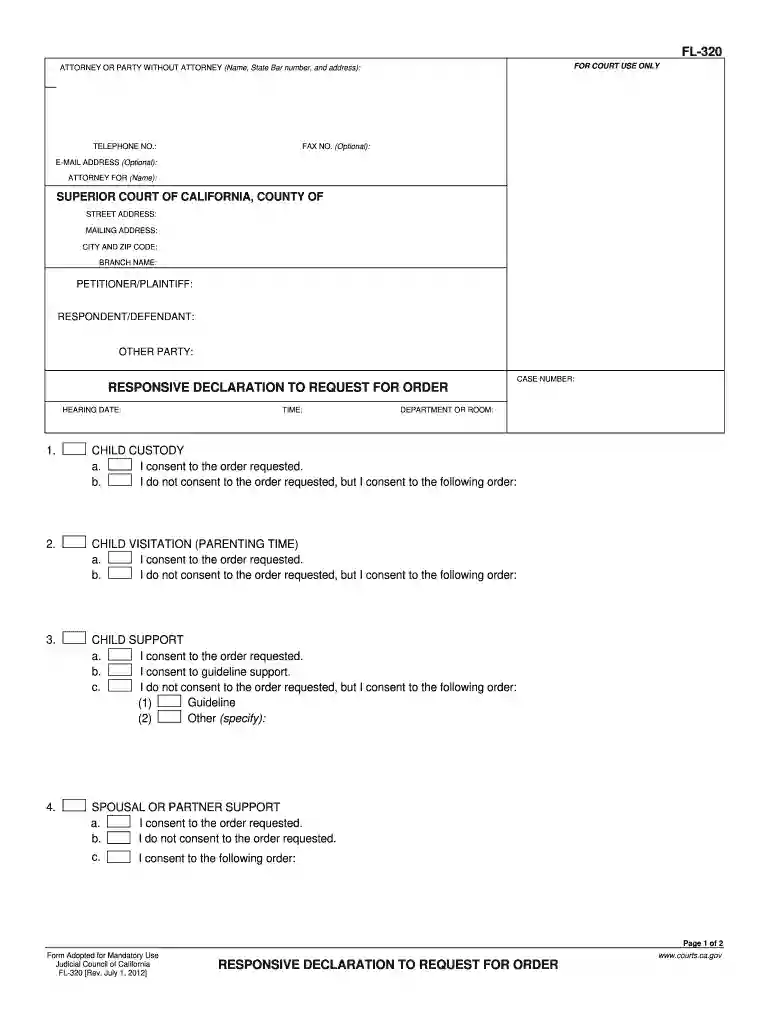
fl 320 Preview on Page 1

Here's how it works

01. Edit your fl 320 online
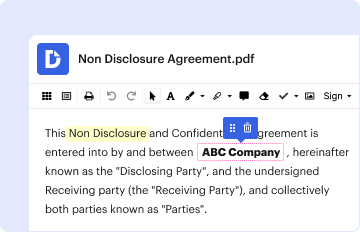
Type text, add images, blackout confidential details, add comments, highlights and more.

02. Sign it in a few clicks
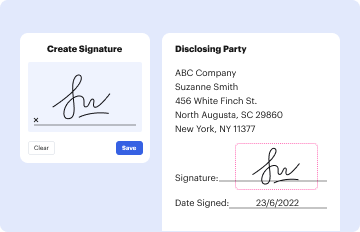
Draw your signature, type it, upload its image, or use your mobile device as a signature pad.
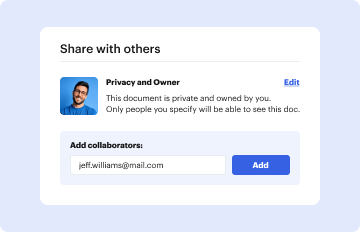
03. Share your form with others
Send it via email, link, or fax. You can also download it, export it or print it out.

Definition and Purpose of FL-320 Form

FL-320, also known as the Responsive Declaration to Request for Order, is a legal document utilized in the Superior Court of California for family law cases. This form is primarily employed by individuals responding to a Request for Order in matters concerning child custody, visitation, support, and other related issues. It enables respondents to express their agreements or disagreements with proposed orders while providing the necessary context and declarations. The form is crucial for ensuring that all parties involved have a fair opportunity to present their standpoint on family law matters.

How to Use the FL-320 Form

Using the FL-320 form involves understanding its structure and completing each section accurately. The process typically includes:

  1. Header Information:

    • Fill in the court details such as the name of the court, case number, and parties involved.
  2. Personal and Attorney Details:

    • Provide necessary identification, including the respondent's name and contact information. If represented by an attorney, include the attorney’s details.
  3. Response to Request:

    • Clearly indicate agreement or disagreement with the orders requested by the other party in their initial filing.
  4. Supporting Declarations:

    • Attach any necessary declarations or documentation that support your response, explaining the reasons behind your stance and any relevant evidence.
  5. Sign and Date:

    • Ensure the form is signed and dated to validate the response.

Obtaining the FL-320 Form

To obtain the FL-320 form:

  • Court Website: Many Superior Courts provide downloadable PDFs of the FL-320 form on their official websites.
  • In Person: Visit the family law clerk’s office at your local courthouse to collect a physical copy.
  • Legal Aid Services: Some legal aid organizations offer the form and assistance in completing it.

Steps to Complete the FL-320 Form

Filling out the FL-320 form requires attention to detail and adherence to legal standards:

  1. Review the Original Request:

    • Start by thoroughly reviewing the initial Request for Order to understand what is being requested.
  2. Complete Each Section:

    • Fill in your personal and case details, ensuring accuracy and completeness.
  3. Prepare Supporting Documentation:

    • Gather necessary documentation that supports your declarations—such as financial statements, custody evaluations, or character references.
  4. Legal Argumentation:

    • Formulate a clear response to the requested orders, supported by factual and legal arguments.
  5. Submit the Form:

    • File the completed form with the court and serve a copy to the other involved parties as per the court’s instructions.

Importance of the FL-320 Form

The FL-320 form serves a crucial role in the judicial process of family law by:

  • Ensuring Fair Representation: It ensures that all parties have an opportunity to voice their stance.
  • Structure for Response: Provides a structured format for presenting counter-orders and supporting evidence.
  • Facilitating Court Decisions: Helps the court in making informed decisions based on detailed declarations and evidence from both parties.

Typical Users of the FL-320 Form

The FL-320 form is typically used by:

  • Respondents in Family Law Cases: Individuals responding to requests filed by another party in family law disputes.
  • Attorneys Representing Clients: Lawyers completing and submitting the form on behalf of their clients.

Key Elements Included in the FL-320 Form

The FL-320 form comprises several critical elements:

  • Identifying Information: Including court, case, and personal details.
  • Responsive Declarations: Detailed responses to each item in the original request.
  • Supporting Documentation: Attachments that substantiate the respondent's claims and perspectives.
  • Signatures: Validates the respondent's declarations and intentions.

Legal Implications of the FL-320 Form

Filing the FL-320 form legally:

  • Obligates Participation: Filing indicates participation in the judicial process and may impact the case's outcome.
  • Influences Court Orders: Responses can inform interim or final court orders regarding custody, support, or visitation.
  • Ensures Compliance: Non-compliance may result in unfavorable judgments or orders by default.

State-Specific Considerations

While the FL-320 form is standard across California, certain procedures or requirements can vary by county, including:

  • Filing Fees: Fees for submitting the FL-320 form may differ based on court policies.
  • Local Rules: Additional local court rules can influence how forms are completed or submitted.
  • Deadlines: Filing deadlines must be strictly adhered to avoid negative consequences.

Understanding these nuances enhances compliance and effectiveness in utilizing the FL-320 form.

See more fl 320 2012 form versions

We've got more versions of the fl 320 2012 form form. Select the right fl 320 2012 form version from the list and start editing it straight away!
Versions Form popularity Fillable & printable
2016 4.9 Satisfied (59 Votes)
2012 4.3 Satisfied (304 Votes)
2011 4 Satisfied (55 Votes)
2003 4.1 Satisfied (52 Votes)
be ready to get more

Complete this form in 5 minutes or less

Get form

Security and compliance

At DocHub, your data security is our priority. We follow HIPAA, SOC2, GDPR, and other standards, so you can work on your documents with confidence.

Learn more
ccpa2
pci-dss
gdpr-compliance
hipaa
soc-compliance
be ready to get more

Complete this form in 5 minutes or less

Get form