



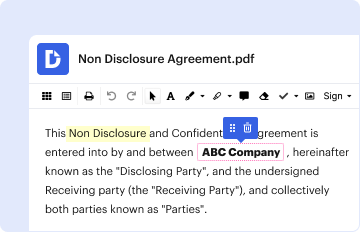
01. Edit your form online
Type text, add images, blackout confidential details, add comments, highlights and more.


Type text, add images, blackout confidential details, add comments, highlights and more.
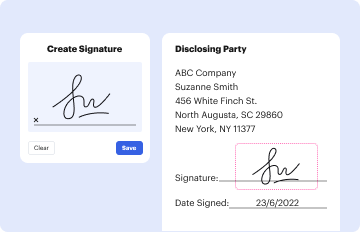
Draw your signature, type it, upload its image, or use your mobile device as a signature pad.

Send it via email, link, or fax. You can also download it, export it or print it out.
The notary guide serves as an essential resource for individuals involved in notarization processes, providing instructions on the functions and responsibilities of notaries. It addresses the fundamental understanding of what it means to be a notary public, including the acknowledgment of legal documentation and the verification of identities. Furthermore, the guide offers specific insights into the various types of notarizations and related acts, serving as an educational tool for those looking to understand their role more thoroughly.
To maximize the utility of the notary guide, users are encouraged to read through the sections relevant to the notarization scenarios they most frequently encounter. The guide typically includes step-by-step instructions for handling different types of documents, identifying necessary signatures, and applying official seals. By following the guide, notaries can ensure compliance with local and state laws, reducing the risk of errors or oversights during the notarization process.
Each U.S. state has distinct regulations governing notarial acts, and the notary guide usually incorporates state-specific information. For example, notaries in California have different seal requirements than those in Texas. Understanding these distinctions is crucial for notaries who operate in various jurisdictions, ensuring they adhere to the particular rules applicable to their state and avoid potential legal pitfalls.
Notary guides are often made available through state governments or professional notary associations. They may be accessed online as downloadable PDFs or through official websites. In some cases, physical copies can be requested from the Secretary of State's office. Ensuring you have the most recent version of the guide is important, as regulations are subject to change.
The information outlined in the notary guide is intended for lawful use by notaries. It equips notaries with the knowledge needed to conduct notarizations correctly and legally. Misuse of the guide, such as performing unauthorized acts or falsifying details during notarization, can lead to penalties, including fines or revocation of the notary commission.
Before any notarization, specific documents are needed:
These documents must meet the criteria set forth in the notary guide to ensure that the notarization is valid.
Notaries who fail to adhere to the protocols outlined in the notary guide could face serious consequences. These may include state-imposed fines, legal action, or the suspension or revocation of their notarial commission. Understanding and following the guidelines is crucial to avoid these penalties and to uphold the integrity of the notarization process.
While the primary notary guide provides comprehensive information, supplemental resources and alternative materials exist for specific scenarios. For example, for notaries involved in real estate or international transactions, specialized guides or legal handbooks may offer additional insights. Such resources ensure that notaries are equipped to handle unique and complex situations effectively.
We've got more versions of the notary guide form. Select the right notary guide version from the list and start editing it straight away!
At DocHub, your data security is our priority. We follow HIPAA, SOC2, GDPR, and other standards, so you can work on your documents with confidence.
Apr 7, 2026 This 2026 edition of the North Carolina Notary Public Manual, prepared by the North Carolina Department of the Secretary of State, providesRead more
How solemnly its little bells chime! Unlocked with Notary Profession: Notary or Doctor Profession: Doctor. Success. A moments peace.
This publication describes the duties and responsibilities involved in carrying out your notarial commission. It covers laws and rules,. Attorney GeneralsRead more


