





Definition & Meaning
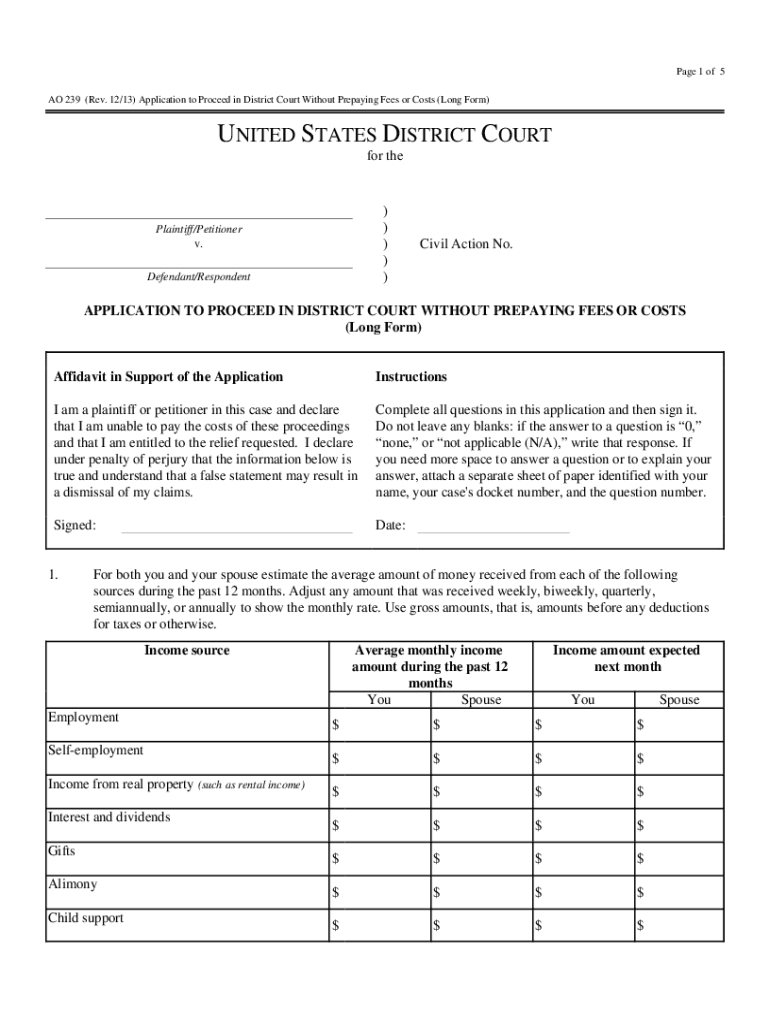
A 'Guide for Pro Se Litigants' is an essential document designed to assist individuals who represent themselves in court without the formal assistance of an attorney. This guide provides comprehensive information on how to navigate the legal system, including understanding court procedures, filing requirements, and adhering to rules specific to civil actions. It serves as a crucial resource for individuals seeking to manage their legal affairs independently while ensuring compliance with the judicial process.
Purpose and Scope
- Support Self-Representation: The guide aims to equip self-representing individuals with the knowledge needed to effectively present their case.
- Comprehensive Legal Framework: It covers various aspects of civil litigation, from initial filings to court hearings.
- Accessibility: The document is written in accessible language and is structured to be user-friendly, ensuring pro se litigants can understand and apply the information.
How to Use the GUIDE FOR PRO SE LITIGANTS
Understanding the Structure
- Navigating the Guide: The guide is typically separated into clear sections, each focusing on different stages of the legal process, such as filing complaints, serving summonses, and more.
- Utilizing Forms and Templates: It often includes or references necessary forms, which are crucial for initiating legal processes.
Practical Application
- Step-by-Step Instructions: Follow detailed steps outlined in the guide to ensure you complete all required actions.
- Checklist Reference: Use checklists provided to ensure you have completed each necessary task before proceeding.
Steps to Complete the GUIDE FOR PRO SE LITIGANTS
- Initial Review: Begin by thoroughly reading through the guide to understand the entire legal process and gather necessary information.
- Document Preparation: Collect and organize all required documents as indicated in the guide.
- Form Completion: Fill out all necessary forms carefully, using examples provided in the guide for reference when needed.
- Submission Procedures: Follow the instructions for submitting documents to the appropriate court office.
- Respond to Court Notices: Monitor communications from the court and respond within the stipulated deadlines outlined in the guide.
- Attend Hearings: Prepare for and attend any scheduled court hearings, using the guide’s advice on courtroom etiquette and expectations.
Key Elements of the GUIDE FOR PRO SE LITIGANTS
Court Procedures
- Filing Requirements: Details on what documents must be filed and how to do so.
- Service of Process: Instructions on how to properly serve legal documents on other parties.
Legal Resources and References
- Glossary of Terms: Define key legal terms to aid understanding.
- Reference Cases: Provide examples of similar cases to illustrate outcomes and expectations.
Legal Use of the GUIDE FOR PRO SE LITIGANTS
Compliance and Accuracy
- Adhering to Court Rules: Emphasize the importance of following specific procedures to avoid dismissals or delays.
- Verification of Information: Encourage double-checking data for accuracy before submission.
Ethical Considerations
- Avoiding Unauthorized Practice: The guide should clarify that while it offers guidance, it cannot replace professional legal advice where needed.
Who Typically Uses the GUIDE FOR PRO SE LITIGANTS

Demographics
- Background Diversity: Often used by individuals from various backgrounds without legal representation due to financial constraints or personal preference.
- Case Types: Predominantly in civil cases, though some elements may apply to other legal proceedings like family or small claims court.
Scenarios
- First-Time Litigants: Those unfamiliar with the legal process and seeking structured support.
- Repeat Users: Individuals with prior experience representing themselves but needing updated information.
Important Terms Related to GUIDE FOR PRO SE LITIGANTS
Key Definitions
- Pro Se: Representing oneself without an attorney.
- Litigant: An individual involved in a lawsuit.
Common Legal Jargon
- Summons: A document notifying a defendant of a legal action against them.
- Complaint: The initial pleading outlining the plaintiff’s case.
State-Specific Rules for the GUIDE FOR PRO SE LITIGANTS
Understanding Variations
- Jurisdictional Differences: Recognize that rules can vary significantly between states.
- Resource Availability: Some states may offer additional resources or separate guidelines for pro se litigants.
Navigating Diversity
- Regional Editions: Some guides include supplements or appendices specific to state regulations, further aiding comprehension.
Examples of Using the GUIDE FOR PRO SE LITIGANTS
Practical Scenarios
- Case Study Illustrations: Use stories or hypothetical scenarios to demonstrate the guide's application in real court cases.
- Success Stories: Highlight cases where pro se litigants successfully navigated legal challenges using the guide.
Diverse Applications
- Types of Cases: Examples in family law, small claims, and civil rights actions, illustrating the guide’s versatility and adaptability.