01. Edit your form online
Type text, add images, blackout confidential details, add comments, highlights and more.

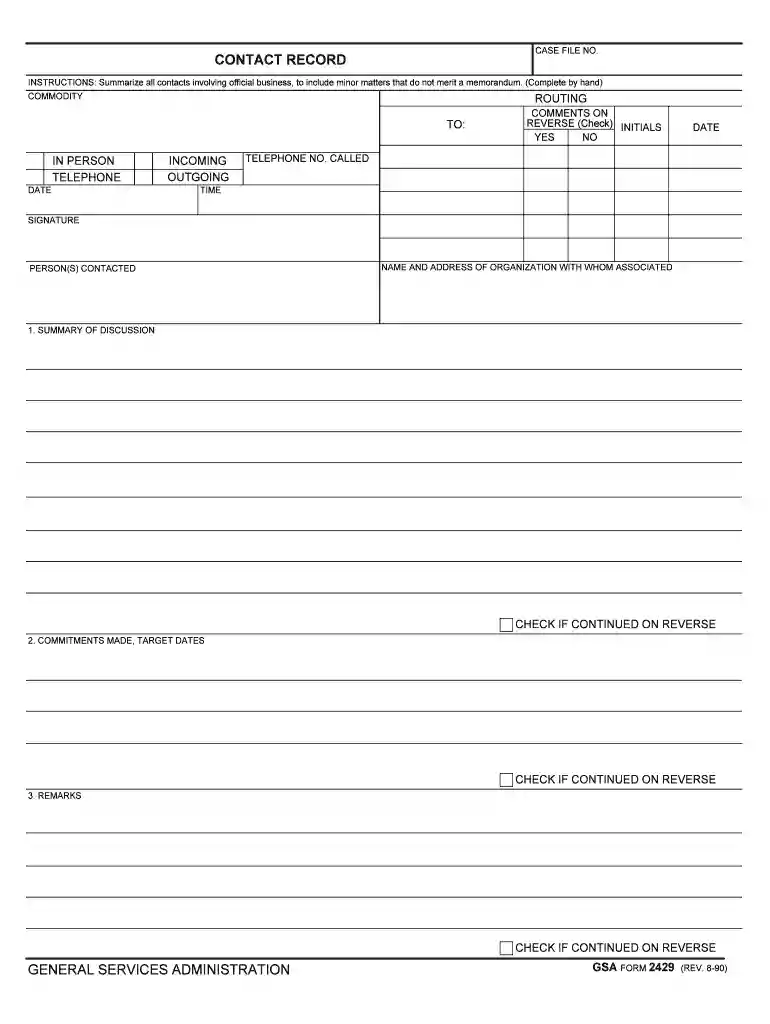
Type text, add images, blackout confidential details, add comments, highlights and more.

Draw your signature, type it, upload its image, or use your mobile device as a signature pad.

Send it via email, link, or fax. You can also download it, export it or print it out.
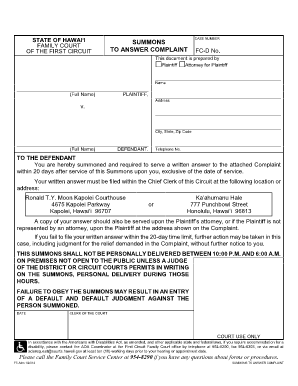
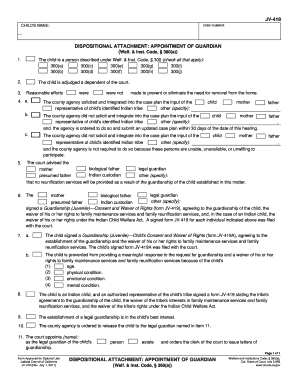
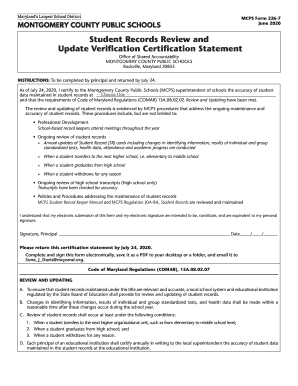
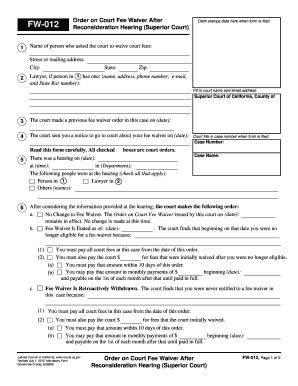
The term "(Complete by hand)" refers to a process where individuals fill out a document or form using traditional handwriting methods rather than electronic or typed means. This approach is often required for certain official documents, where handwritten entries are necessary to ensure authenticity or compliance with specific regulations. Handwritten entries can be crucial for legal documents, applications, or forms that require a personal touch, such as signatures or initialing. The traditional method of completing documents by hand is still relevant in various contexts, despite the widespread adoption of digital completion methods.
When completing a document by hand, follow these steps to ensure clarity and compliance:
Gather Required Materials
Read Instructions Carefully
Fill Out Personal Information Accurately
Complete Required Sections
Review for Completeness
Sign and Date
Certain documents, especially those with legal implications, may require handwritten entries to ensure authenticity. This is common in:
Understanding these requirements is crucial to avoid legal challenges and ensure that documents are accepted as intended.
While digital forms are prevalent, some individuals and organizations still rely on handwritten completion for specific reasons:


While many forms offer digital completion options, some still require or allow for handwritten entries. Understanding the differences is important:
Both versions play a role in today's world, and understanding when to use each is vital for compliance and efficiency.
We've got more versions of the (Complete by hand) form. Select the right (Complete by hand) version from the list and start editing it straight away!
| Versions | Form popularity | Fillable & printable |
|---|---|---|
| 1990 | 4.9 Satisfied (58 Votes) |
At DocHub, your data security is our priority. We follow HIPAA, SOC2, GDPR, and other standards, so you can work on your documents with confidence.