



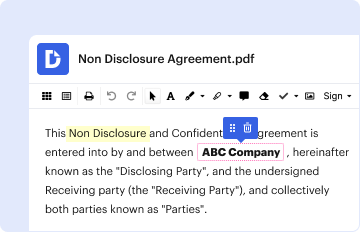
01. Edit your form online
Type text, add images, blackout confidential details, add comments, highlights and more.

Type text, add images, blackout confidential details, add comments, highlights and more.
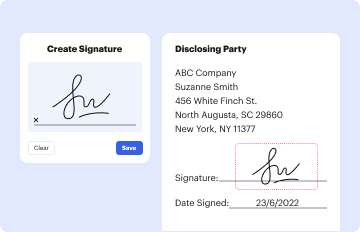
Draw your signature, type it, upload its image, or use your mobile device as a signature pad.

Send it via email, link, or fax. You can also download it, export it or print it out.
Form 1099 is a series of documents the IRS requires for reporting various types of income other than wages, salaries, and tips. These forms are serviced by entities to report payments made to non-employees, like freelancers and independent contractors. This form is crucial in ensuring that all types of income are reported on a taxpayer's return, helping the IRS track under-reported or unreported income.
Form 1099 covers income such as:
These forms vary by the type of payment they report, providing a comprehensive overview of non-salary income for both the payer and the recipient.
Understanding how to use Form 1099 is essential for accurate tax reporting. Taxpayers must include the information detailed in the 1099 in their annual tax return. It is crucial to cross-reference the details provided in the 1099 with personal records to ensure accuracy.
This process ensures that all relevant income is accounted for, and applicable taxes are computed correctly.
Receiving Form 1099 involves a few steps that ensure you have all necessary documentation for filing your taxes. The form is usually provided by the entity that made the payment.
Ensuring that you have received every necessary 1099 form is essential for avoiding discrepancies in reported income.
Completing Form 1099 involves gathering accurate data and ensuring that all required fields are filled out correctly.
Accuracy is crucial, as errors may lead to audits or penalties from the IRS.
Form 1099 is widely used across various sectors where individuals or entities pay non-employees. These include:
Understanding who uses the 1099 helps taxpayers know when to expect these forms and plan their tax filing accordingly.


The IRS has explicit guidelines for handling Form 1099 to ensure compliance and proper tax record-keeping.
Adhering to these guidelines is critical for avoiding legal consequences and ensuring transparent financial reporting.
Timelines for Form 1099 are strictly enforced by the IRS, so recipients and issuers must be aware of important dates to avoid penalties.
Staying informed of these deadlines helps both issuers and recipients to remain compliant with tax requirements.
Failing to adhere to the filing and distribution requirements of Form 1099 can lead to significant penalties from the IRS.
Understanding these penalties is imperative for both potential issuers and recipients of Form 1099 to mitigate financial risks.
We've got more versions of the 1099 form. Select the right 1099 version from the list and start editing it straight away!
At DocHub, your data security is our priority. We follow HIPAA, SOC2, GDPR, and other standards, so you can work on your documents with confidence.
A 1099-MISC is a type of tax form. It is used to report miscellaneous income for individuals and companies who have been paid $600 or more in non-employeeRead more
We require filers of information returns, including Forms 1099-NEC and 1099-S, to furnish a copy of what is or will be filed with the IRS to the recipient. InRead more


