



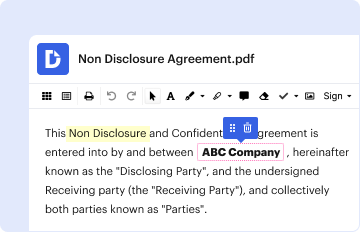
01. Edit your form online
Type text, add images, blackout confidential details, add comments, highlights and more.

Type text, add images, blackout confidential details, add comments, highlights and more.
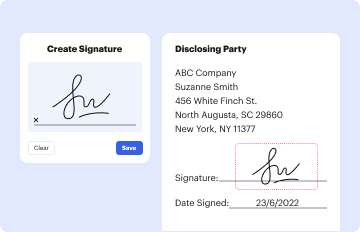
Draw your signature, type it, upload its image, or use your mobile device as a signature pad.
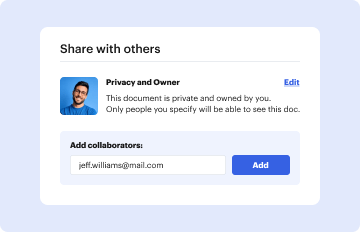
Send it via email, link, or fax. You can also download it, export it or print it out.
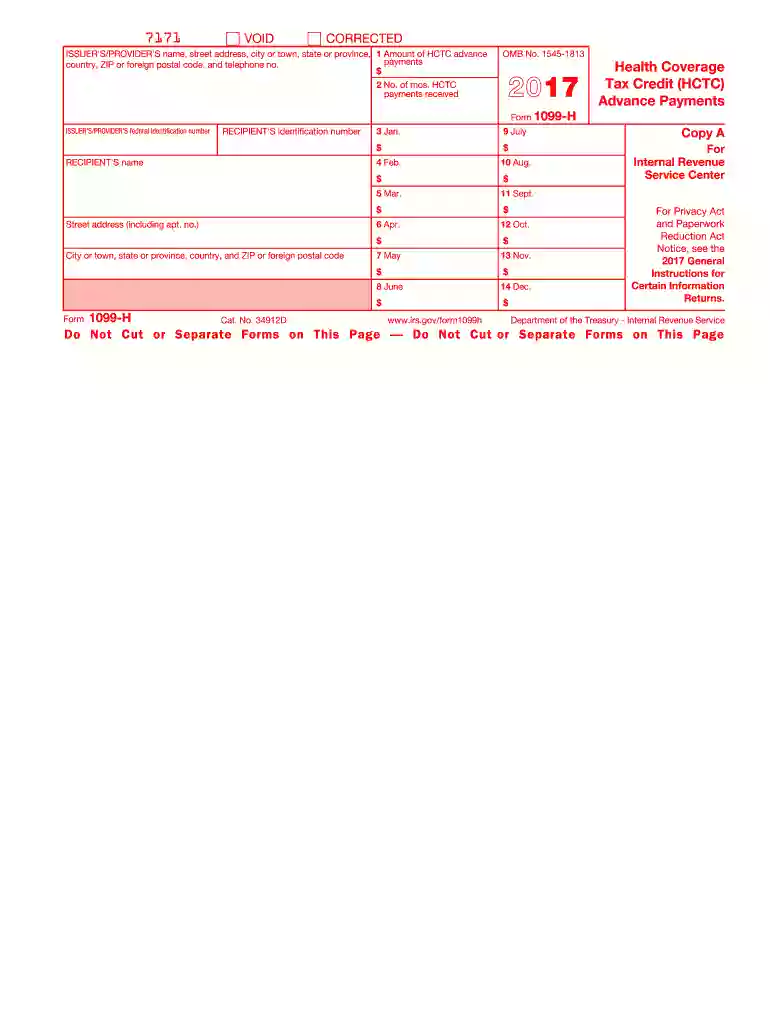
The Issuer's/Provider's federal identification number, commonly known as the Employer Identification Number (EIN), is a unique nine-digit number assigned by the Internal Revenue Service (IRS) to business entities operating in the United States. This number is used primarily for tax administration purposes. All types of businesses, including sole proprietorships, partnerships, corporations, and non-profit organizations, may require an EIN to carry out their operations, file taxes, and report employment-related taxes.
The federal identification number serves multiple functions. Businesses use this number to:
Obtaining an EIN is a straightforward process overseen by the IRS. Follow these steps:
When applying for an EIN, you must provide specific information about your business:
The federal identification number is legally required for several business activities, including:
Real-world scenarios where businesses use an EIN include:
Before applying for an EIN, ensure you have the following documents and information ready:
The IRS provides specific guidelines for the appropriate use of EINs, including:
Failure to comply with EIN-related obligations can result in:
We've got more versions of the ISSUER'S/PROVIDER'S federal identification number form. Select the right ISSUER'S/PROVIDER'S federal identification number version from the list and start editing it straight away!
Sign in to your DocHub account and import your ISSUER'S/PROVIDER'S federal identification number to our editor using one of its upload options - from your device, cloud storage, protected URL, or your DocHub folders if you have already managed your document before. Open our editor, click the Sign key in the upper toolbar, and decide on your signing method. You can upload a picture of your handwritten signature, draw it, enter your name, or use a QR code as an alternative.
With a swift editing platform like DocHub, you do not require anything but a browser and internet connection to edit your ISSUER'S/PROVIDER'S federal identification number online easily. Add your document or find the appropriate form in DocHub’s catalog, open our editor with a single click, and complete it digitally. To edit your forms at any time, register a free profile with DocHub.
At DocHub, your data security is our priority. We follow HIPAA, SOC2, GDPR, and other standards, so you can work on your documents with confidence.
ISSUERS/PROVIDERS name, street address, city, state, ZIP code, and telephone no. ISSUERS/PROVIDERS federal identification number. RECIPIENTS identificationRead more
Jan 3, 2022 This Standard is applicable to identification issued by federal departments and agencies to federal employees and contractors for gainingRead more
The payer ID is often located on the back of the insurance card in the Provider or Claims Submission section. Below are some common examples. insurance cardRead more


