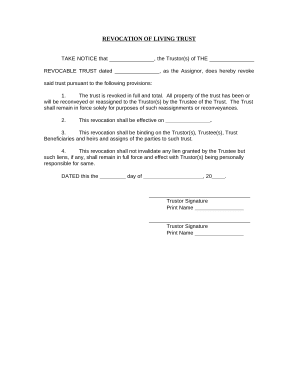
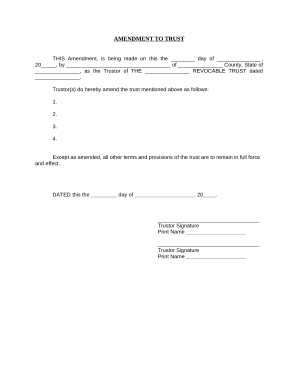
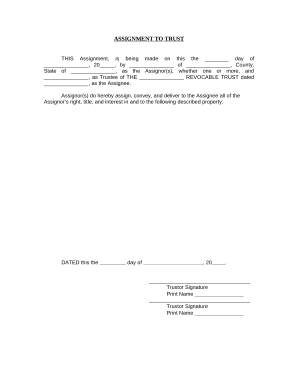
Handle Trust Documents effortlessly online

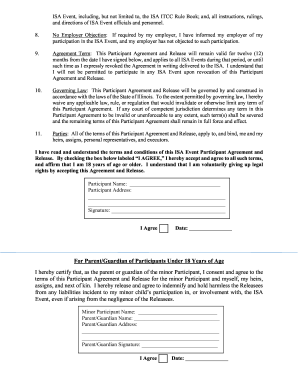
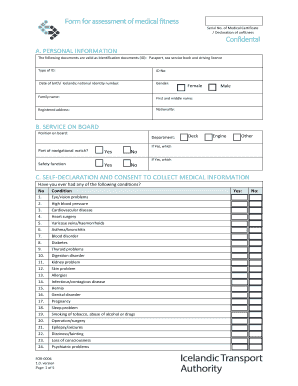
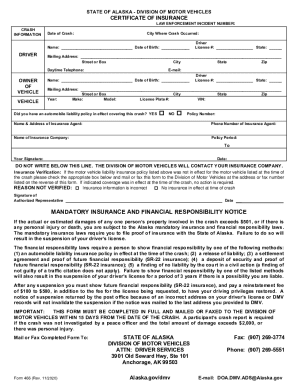
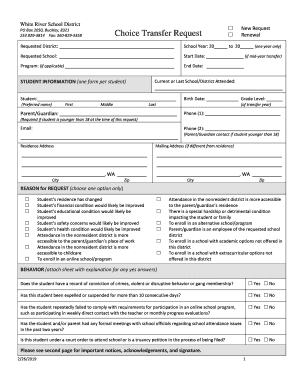
Document management can overpower you when you can’t find all the documents you require. Fortunately, with DocHub's extensive form categories, you can get everything you need and swiftly take care of it without switching between programs. Get our Trust Documents and begin utilizing them.

Using our Trust Documents using these simple steps:

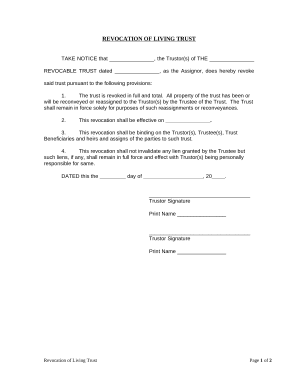
  1. Check Trust Documents and choose the form you require.
  2. Review the template and click on Get Form.
  3. Wait for it to open in our online editor.
  4. Alter your template: add new information and images, and fillable fields or blackout some parts if required.
  5. Fill out your template, save changes, and prepare it for sending.
  6. When all set, download your form or share it with other contributors.

Try out DocHub and browse our Trust Documents category easily. Get a free profile right now!

Video Guide on Trust Documents management

video background

Commonly Asked Questions about Trust Documents

Trusts can be broadly categorized into four main types: Living Trusts, Testamentary Trusts, Revocable Trusts, and Irrevocable Trusts. There are many different types of trusts you can choose from, and understanding how they are different can help you pick the right one for your needs.
For example, if a parent opens a trust account for their childs education, the account will be used to cover tuition and other related expenses. The beneficiary will not have access to the funds until they docHub the age of majority or are otherwise able to manage their own finances.
You must generally keep three journals to record trust account transactions: cash receipts, cash payments and transfers.
A legal document (which may be a deed or other instrument) that creates a trust. The trust document appoints the trustees and states the terms of the trust, including who the beneficiaries are and the trust property that will be subject to the trust. Trust document | Practical Law thomsonreuters.com thomsonreuters.com
With that said, revocable trusts, irrevocable trusts, and asset protection trusts are among some of the most common types to consider.
Understanding the 3 Primary Classes of Trusts Revocable Trusts. A revocable trust can be alteredor even terminatedat any time during the trustors (person establishing the trust) lifetime. Irrevocable Trusts. Testamentary Trusts.
The most important piece of trust documentation will be the trust deed. This agreement is, essentially, what creates the trust. Outlined within the trust deed will be key pieces of information like what properties or assets will be held within the trust and who the beneficiaries are.
Keep it safe, but accessible Some safe storage suggestions include a locked home safe or filing cabinet or a fireproof safe box in your home or office or in a safe deposit box as long as your successor trustee knows the location of the original documents and can get a hold of them after your death.
For at least five years after disbursement you have to keep complete records of all client money, securities or other properties that are entrusted to you.