
Legal Accounting Documents

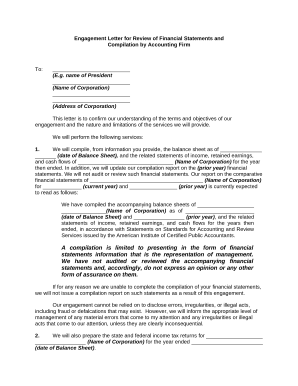
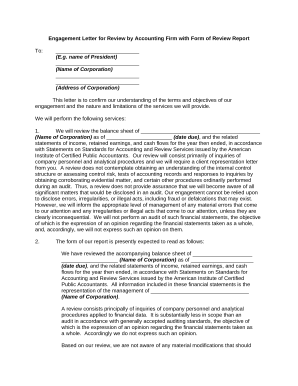
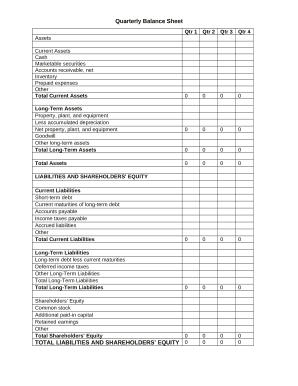
Supercharge your productivity with Legal Accounting Documents
Papers administration consumes to half of your office hours. With DocHub, it is possible to reclaim your time and effort and boost your team's efficiency. Get Legal Accounting Documents collection and discover all document templates related to your day-to-day workflows.
Effortlessly use Legal Accounting Documents:
- Open Legal Accounting Documents and use Preview to get the relevant form.
- Click Get Form to start working on it.
- Wait for your form to open in the online editor and begin modifying it.
- Add new fillable fields, symbols, and pictures, adjust pages order, etc.
- Fill your form or set it for other contributors.
- Download or deliver the form by link, email attachment, or invite.
Improve your day-to-day document administration with the Legal Accounting Documents. Get your free DocHub account right now to explore all templates.
Video Guide on Legal Accounting Documents management

Commonly Asked Questions about Legal Accounting Documents
What are the five documents used to record transactions?
The most common documents are: Checks. Invoices. Receipts. Credit memos. Employee time cards. Deposit slips. Purchase orders.
What are the source documents used by accountants?
The most commonly used types of source documents in accounting are as follows: Orders. A business will fill out an order form when it needs to purchase something. Quotes. Sales and Purchase Invoices. Delivery Dockets. Payment/Remittance Advices. Credit and Debit Notes. Receipts. Cheques.
Documents What documents do accountants use?
The balance sheet, income statement, and cash flow statement each offer unique details with information that is all interconnected. Together the three statements give a comprehensive portrayal of the companys operating activities.
What do you mean by legal accounting?
In the accounting industry, source documents include receipts, bills, invoices, statements, checks i.e., anything that documents a transaction. Any time a business spends or receives money, a source document is created. Source documents are an integral part of the accounting and bookkeeping process.
What documents are prepared by an accountant?
Common types of accounting documents include source documents, journals, ledgers, pay-in slips, financial statements, budgets, variance reports, tax returns, trial balances, and internal control reports. Internal control documents are crucial for preventing fraud and errors within an organization.
What are the documents of accounting records?
Accounting records Ledgers. Journals. Bank statements. Contracts and agreements. Verification statements. Transportation receipts. Invoices. Vouchers.
What are the 3 main accounting documents?
In an emergency, its crucial to have a few essential legal estate documents readily accessible, such as a Last Will and Testament, Advance Healthcare Directive, Durable Power of Attorney (aka Financial Power of Attorney), and Living Will.
Related Templates

Amendment of Lease Package - North Carolina
The document is an Amendment to Lease Package provided by U.S. Legal Forms, Inc., designed for modifying lease agreement ...


