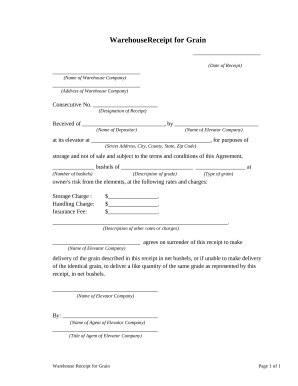
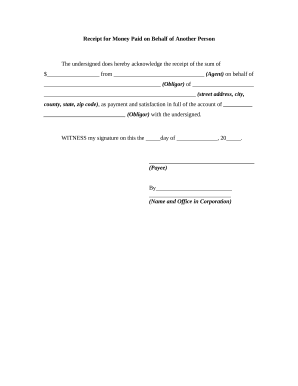
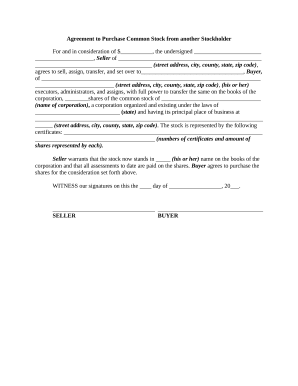
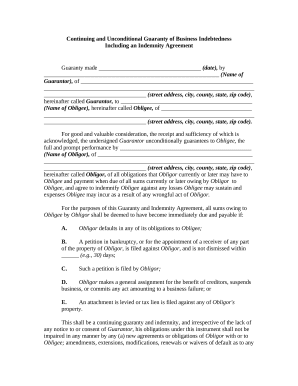
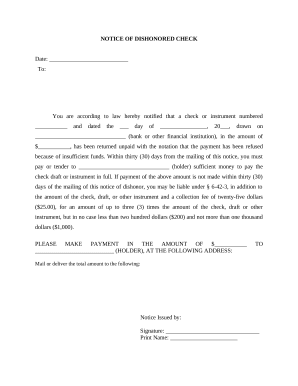
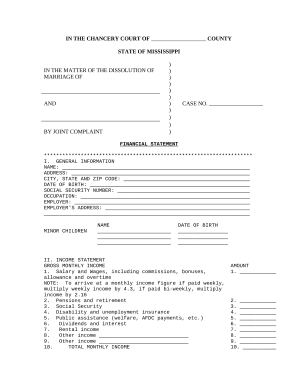
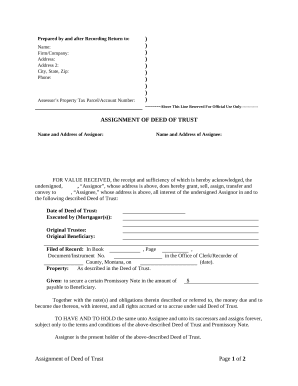
Supercharge your work productivity with Financial Documents

Document management occupies to half of your office hours. With DocHub, it is easy to reclaim your time and improve your team's productivity. Access Financial Documents collection and investigate all templates relevant to your everyday workflows.

The best way to use Financial Documents:

  1. Open Financial Documents and apply Preview to get the appropriate form.
  2. Click Get Form to begin working on it.
  3. Wait for your form to upload in the online editor and begin modifying it.
  4. Add new fillable fields, symbols, and images, change pages, etc.
  5. Fill out your template or set it for other contributors.
  6. Download or deliver the form by link, email attachment, or invite.

Accelerate your everyday document management with the Financial Documents. Get your free DocHub profile right now to explore all templates.


Video Guide on Financial Documents management

video background

Commonly Asked Questions about Financial Documents

The primary financial statements of for-profit businesses include the balance sheet, income statement, statement of cash flow, and statement of changes in equity. Nonprofit entities use a similar set of financial statements, though they have different names and communicate slightly different information.
The major elements of the financial statements (i.e., assets, liabilities, fund balance/net assets, revenues, expenditures, and expenses) are discussed below, including the proper accounting treatments and disclosure requirements.
The three main types of financial statements are the balance sheet, the income statement, and the cash flow statement. These three statements together show the assets and liabilities of a business, revenues, and costs, as well as its cash flows from operating, investing, and financing activities.
This article will provide a quick overview of the information that you can glean from these important financial statements without requiring you to be an accounting expert. Statement #1: The income statement. Statement #2: The balance sheet. Statement #3: The statement of cash flows.
The 4 types of financial statements Balance sheets. Income statements. Cash flow statements. Statements of shareholders equity.
The usual order of financial statements is as follows: Income statement. Cash flow statement. Statement of changes in equity. Balance sheet. Note to financial statements.
The five key documents include your profit and loss statement, balance sheet, cash-flow statement, tax return, and aging reports.
How to write a financial statement Write an introduction. Detail expenses. Outline financial projections. Include individual financial statements. Determine the break-even point. Include a sensitivity analysis. Feature a ratio analysis. Include funding requests where necessary. How to write a financial summary (a step-by-step guide) | Indeed.com UK indeed.com career-development financial-s indeed.com career-development financial-s
Financial records provide information about a companys income, expenses, assets, liabilities, and equity. Financial documents, on the other hand, are a specific type of financial record that includes balance sheets, income statements, cash flow statements, and statements of shareholders equity.