







Definition & Meaning
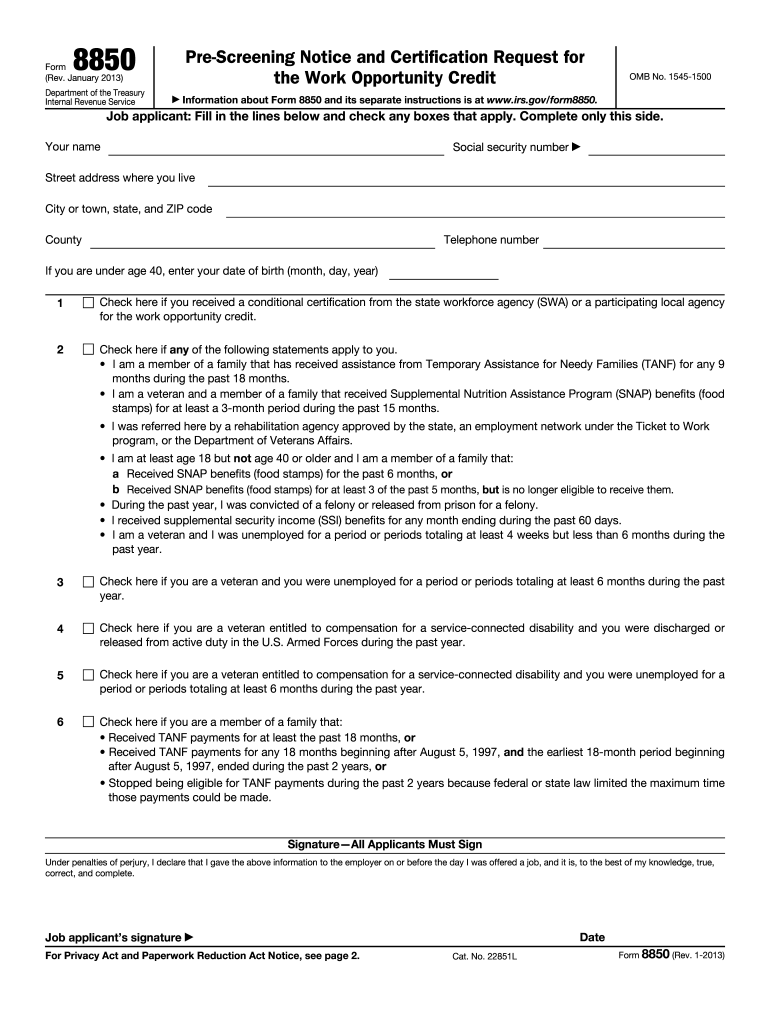
Receiving SNAP benefits, commonly known as food stamps, in the United States means participating in a federal assistance program designed to help low-income individuals and families purchase food. The phrase "received SNAP benefits for at least 3 of the past 5 months but is no longer eligible to receive them" indicates a temporary eligibility period. It implies that while a person was previously able to meet the criteria for this aid, they have subsequently experienced a change in circumstances—such as increased income or changes in household size—that has led to the loss of eligibility for further benefits.
Eligibility Criteria
Eligibility for SNAP benefits often involves meeting specific financial and non-financial requirements. To qualify initially, applicants must fall within income guidelines based mostly on federal poverty levels. Additionally, household size, expenses, and resources such as savings or property, are considered. Those receiving benefits for at least three out of the last five months have gone through this assessment process at some point, but due to changes—like a new job or reduced household expenses—they no longer qualify.


Changes Affecting Eligibility
- Income Increases: Gainful employment or salary raises.
- Household Changes: Adjustments in the number of household members.
- Assets and Resources: Exceeding resource limits due to new assets or savings.
Steps to Reinstate Eligibility
If an individual wishes to reinstate their eligibility for SNAP benefits, several steps are necessary. First, they must identify the change in their circumstances that impacted their benefits. Then, they should assess whether their current situation now aligns with the eligibility requirements.
- Evaluate Financial Situation: Review income fluctuations and resource levels.
- Gather Documentation: Collect pay stubs, bank statements, and proof of expenses.
- Contact Local SNAP Office: Reach out to local authorities for guidance and reapplication procedures.
- Reapply If Eligible: Submit a new application with updated information.
How to Obtain the Form
To apply for SNAP benefits or address changes in eligibility, individuals need to fill out the appropriate forms, available through various local and state agencies. These forms can often be accessed online through state government websites, in person at local SNAP offices, or by requesting mail copies.
Methods of Access
- Online: Most states provide online portals for application access and submission.
- In-Person: Hard copies available at local assistance offices.
- Mail Requests: Call local offices to receive forms via postal service.
Important Terms Related to SNAP Benefits
Understanding key terms can help applicants navigate the process more effectively.
- Gross and Net Income: Gross income is total household income before deductions, while net income considers specific allowable deductions.
- Resource Limits: Includes cash, bank accounts, and other liquid assets.
- Categorical Eligibility: Some families may automatically qualify due to participation in other assistance programs.
Legal Use of SNAP Benefits
SNAP benefits must be used in accordance with federal regulations, which dictate they can only be spent on certain food items. Misuse or unauthorized use, such as purchasing non-food items or trading benefits for cash, can lead to penalties or disqualification from the program.
Commonly Allowed Purchases
- Basic Food Items: Bread, cereals, fruits, vegetables, meat, dairy.
- Non-Alcoholic Beverages: Juices, milk, bottled water.
State-Specific Rules
While SNAP is a federal program, individual states may have unique rules or procedures for eligibility and benefits distribution. This impacts aspects like application processes, additional state-specific benefits, and variations in resource limits.
Differences Across States
- Application Processing: Varies in time efficiency and required documentation.
- Additional Benefits: Some states offer supplemental programs aligned with SNAP.
Example Scenarios
Several situations can illustrate the dynamics of regaining eligibility:
- Increased Income Through Employment: A person starts a job, temporarily losing SNAP benefits but later experiences reduced hours.
- Household Restructuring: An individual loses benefits after a family member moves in; with that person's departure, benefits may be reassessed.
- Temporary Financial Assistance: A one-time financial aid pushes resources above limits; once exhausted, eligibility may return.
By comprehensively understanding these elements, individuals can better navigate their changing SNAP eligibility status.




