



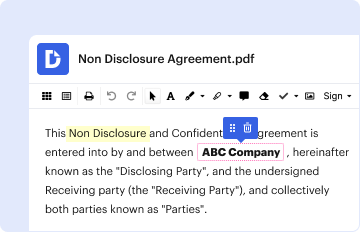
01. Edit your 2018 tax return copy online
Type text, add images, blackout confidential details, add comments, highlights and more.

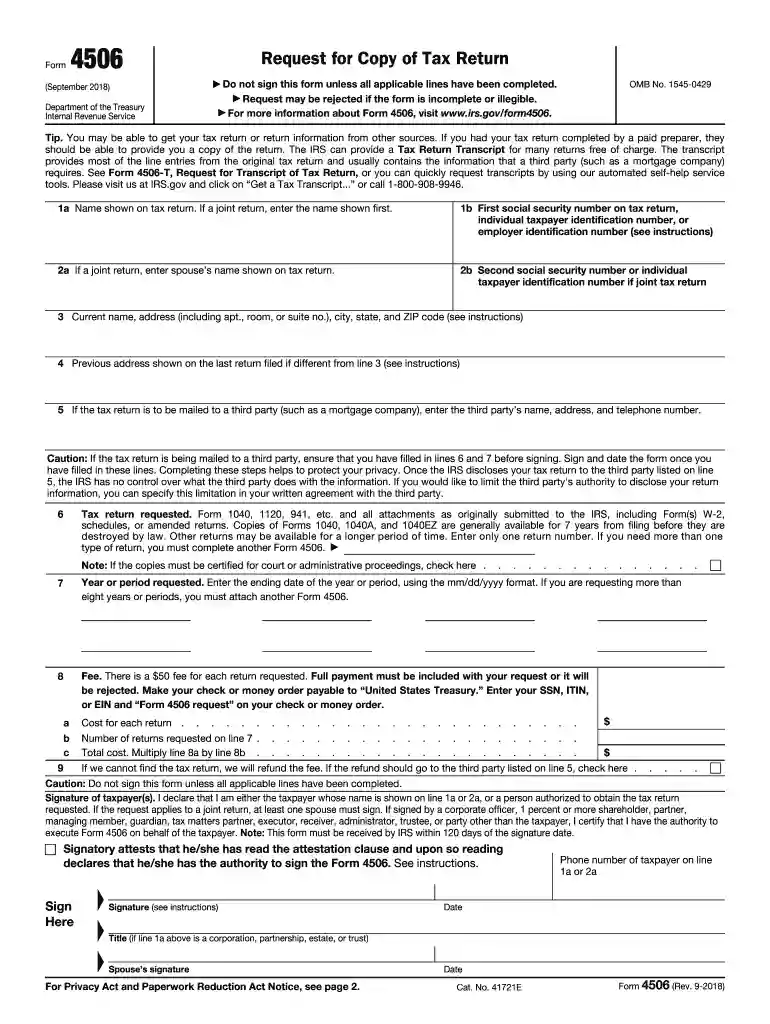
Type text, add images, blackout confidential details, add comments, highlights and more.
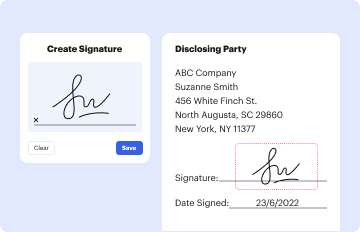
Draw your signature, type it, upload its image, or use your mobile device as a signature pad.

Send copy of tax return 2018 via email, link, or fax. You can also download it, export it or print it out.
IRS Form 4506 is a specific request form used by individuals or businesses to obtain a copy of their previously filed tax return from the IRS. For the year 2017, this form is essential for confirming tax records, especially in situations such as applying for a mortgage or verifying income for a financial transaction. It serves a critical legal and financial function by providing official validation of tax-related information previously reported to the IRS.
To effectively use IRS Form 4506 for 2017, follow these steps:
The IRS outlines specific guidelines for using Form 4506, including:
While IRS Form 4506 can generally be submitted at any time, there are important considerations to keep in mind, like early submission to align with financial application deadlines. Moreover, factors like fee payment deadlines, when applicable, and the IRS fiscal year cycle can influence receipt and processing timelines.
To submit a request using Form 4506, you may need:
Form 4506 is frequently utilized by:


Non-compliance with Form 4506 requirements, such as failing to include necessary signatures or fees, can result in:
While Form 4506 itself is a federal document, certain state regulations or requirements may affect how it is used or complemented with state-specific forms necessary for local compliance. Taxpayers should check with state tax offices for any additional documentation required along with the federal form.
This comprehensive guide facilitates a complete understanding and accurate use of IRS Form 4506 for 2017, ensuring streamlined tax document retrieval for individuals and businesses.
We've got more versions of the 2018 tax return copy form. Select the right 2018 tax return copy version from the list and start editing it straight away!
| Versions | Form popularity | Fillable & printable |
|---|---|---|
| 2025 | 4.9 Satisfied (38 Votes) | |
| 2024 | 4.5 Satisfied (47 Votes) | |
| 2024 | 4.4 Satisfied (52 Votes) | |
| 2021 | 4.8 Satisfied (75 Votes) | |
| 2020 | 4.3 Satisfied (94 Votes) | |
| 2019 | 4.4 Satisfied (51 Votes) | |
| 2018 | 4.3 Satisfied (34 Votes) | |
| 2017 | 4.3 Satisfied (233 Votes) | |
| 2015 | 4.3 Satisfied (319 Votes) | |
| 2013 | 4.3 Satisfied (38 Votes) | |
| 2012 | 4.2 Satisfied (26 Votes) |
At DocHub, your data security is our priority. We follow HIPAA, SOC2, GDPR, and other standards, so you can work on your documents with confidence.
Use Form 4506-T to order a transcript or other return information free of charge. See the product list below. You can quickly request transcripts by using ourRead more
Dec 3, 2025 Use Form 4506 to: Request a copy of your tax return, or; Designate a third party to receive the tax return.Read more
Jan 31, 2018 If you prefer, you can: Order your transcript by calling. 1-800-908-9946. Mail Form 4506-T or Form 4506T-EZ (both available on IRS.gov).Read more


