







Understanding the Doctor Order Form
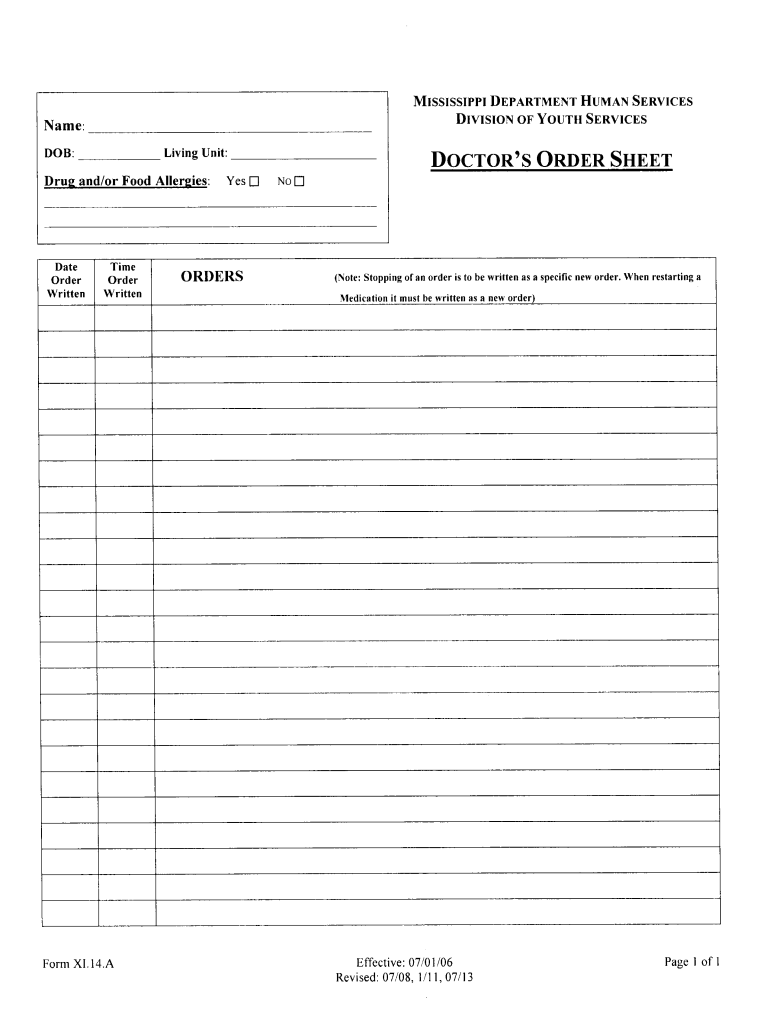
A doctor order form, often referred to as a physician order form, is a critical document used in various healthcare settings. This form captures essential information regarding patient care, including medication orders, treatment directives, and other pertinent medical instructions. Understanding the significance and function of this form ensures seamless communication among healthcare providers and between providers and patients.
Key Elements of the Doctor Order Form
Several vital components must be included in a doctor order form to ensure it is effective and compliant. Key elements include:
-
Patient Information: This section typically includes the patient's name, date of birth, medical record number, and contact details. Accurate patient identification is essential for delivering proper care.
-
Medication Orders: Physicians specify the required medications, dosages, administration routes, and timings here. Correctly detailing medication orders is crucial for patient safety and effective treatment.
-
Treatment Instructions: Any specific protocols or procedures that the healthcare team needs to follow are documented. This might include diagnostic tests, therapies, or other interventions.
-
Allergies and Medical History: This section is critical for preventing adverse reactions. It must include known allergies to medications, foods, or other substances.
-
Signature and Date: A valid doctor order form must be signed and dated by the prescribing physician to establish authenticity and ensure accountability.
With these components, the doctor order form serves as a comprehensive communication tool within healthcare teams.
Steps to Complete the Doctor Order Form
Completing a doctor order form requires attention to detail and adherence to established protocols. Here are the essential steps involved:
-
Identify the Patient: Gather all relevant patient information, ensuring accuracy in demographic details and medical history.
-
Specify Medications: Clearly list all medications required, including dosage, frequency, and administration route. For instance, “Administer 10 mg of Lisinopril orally once daily.”
-
Provide Treatment Details: Outline any additional treatment instructions, such as lab tests to be conducted, imaging required, or referrals to specialists.
-
Document Allergies: Thoroughly check for and record any known allergies or adverse reactions the patient may have had to medications or treatments.
-
Finalize the Form: Review the completed form for accuracy and ensure all necessary fields are filled. The physician must sign and date the form to validate it.
How to Use the Doctor Order Form
The use of a doctor order form is foundational in patient care processes. Healthcare providers rely on these documents for a variety of purposes:
-
Communicating Care Plans: These forms facilitate precise communication between doctors, nurses, pharmacists, and others involved in the patient’s care, thereby minimizing misunderstandings.
-
Documenting Medical Necessity: In cases where treatment or procedures require insurance approval, the order form may support the need for specific interventions, outlining the rationale based on medical standards.
-
Monitoring Patient Treatment: After the orders are implemented, these forms can be revisited to assess compliance and adjust treatment plans accordingly, enhancing patient outcomes.
Legal Use of the Doctor Order Form
The doctor order form holds legal significance as it serves as a formal record of care directives issued by a licensed medical professional. In legal contexts:
-
Evidence of Care Standards: The form provides documentation that the provider acted within the realm of accepted medical practices, which can be critical in case of disputes or audits.
-
Informed Consent: The order form may complement informed consent documents where patients acknowledge understanding of proposed treatments.
-
Regulatory Requirements: Many healthcare facilities adhere to strict regulatory guidelines governing record-keeping and order documentation, making the doctor order form essential for compliance.
Examples of Using a Doctor Order Form
Doctor order forms can vary in complexity and usage based on the healthcare setting. Some prevalent examples include:
-
Outpatient Settings: In offices, forms might prioritize medication refills or specific treatment plans for chronic illnesses, allowing for timely adjustments by healthcare staff.
-
Inpatient Settings: Hospitalized patients might have comprehensive orders including medication administration, diagnostic tests, and nursing care instructions documented on a standardized order sheet.
-
Emergency Services: In acute care scenarios, rapid completion and clear instructions on a doctor's order sheet are vital for swift action in life-threatening situations.
These examples illustrate the versatility of doctor order forms across different medical contexts.




