Definition and Meaning of Alcohol Testing Form
An Alcohol Testing Form is a standardized document used to record the results of alcohol tests typically conducted in workplace settings. It is essential for documenting the information related to alcohol testing, including personal details of the employee being tested, the reasons for conducting the test, and the specific test results. This form helps employers ensure compliance with regulatory and safety standards, especially when the test results indicate a blood alcohol concentration (BAC) of 0.02 or higher. Through its structured format, the Alcohol Testing Form serves as a legal record that can protect both employers and employees by providing an accurate account of the testing process and outcomes.
How to Use the Alcohol Testing Form
When utilizing an Alcohol Testing Form, it is crucial to adhere to a consistent process to maintain accuracy and compliance. Below are typical steps involved in using the form:
-
Preparation: Ensure that the form is available and ready for use before the testing process begins. This includes having all necessary equipment and materials on hand.
-
Employee Information: Record the personal details of the employee, such as name, ID number, and department. This information is crucial for identifying the individual who was tested.
-
Test Administration: Document the date, time, and location of the test along with the method used. This may involve breath analysis, blood test, or other approved measures for determining BAC.
-
Test Results and Verification: Clearly record the test results, including the BAC level. The form may also require a verification signature from the testing administrator to confirm the accuracy of the results.
-
Reason for Testing: Indicate the specific reasons for conducting the test, whether it is a random check, reasonable suspicion, post-accident, or return-to-duty test.
-
Employee Acknowledgement: Obtain the employee's signature to acknowledge the test results and process.
-
Storage and Confidentiality: Once completed, ensure the form is stored securely to maintain confidentiality. Access to the form should be restricted to authorized personnel only.
Steps to Complete the Alcohol Testing Form
Completing the Alcohol Testing Form involves several meticulous steps to ensure every aspect is accurately documented:
-
Identify the Form: Start by obtaining the most current version of the Alcohol Testing Form suitable for your organization or industry requirements.
-
Fill Employee Details: Enter accurate personal details of the employee including full name, employee ID, and job title, to prevent any mix-ups or errors.
-
Enter Testing Details: Note the precise time and location of the test, and specify the testing method used, whether breath, urine, or blood sample.
-
Record Results Accurately: Document the results promptly and precisely. If any immediate actions are required based on the results, ensure they are noted.
-
Reason for Testing: Clearly state the reason for testing. This is essential for demonstrating compliance with occupational safety and legal standards.
-
Employee Consent and Notes: Include a section for employee comments and ensure they sign the form to acknowledge their understanding and agreement with the recorded results.
-
Secure and Submit: Once completed, verify all entered information for accuracy before securing the form in a confidential manner. Submit to appropriate internal or external parties as required by your organization’s protocols.
Key Elements of the Alcohol Testing Form
The Alcohol Testing Form consists of several critical sections that must be completed thoroughly:
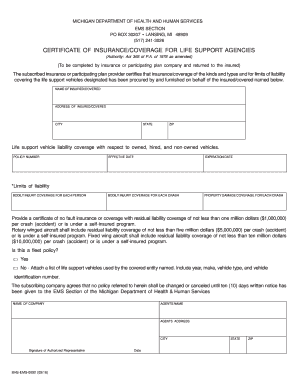
- Personal Information: This section includes fields for the employee's personal details such as name and employee number.
- Testing Details: Information related to the date, time, and location where the alcohol testing was conducted.
- Method of Testing: Describes which method was used for testing, which could include methods such as breath analysis or blood testing.
- Results: Clearly documented test outcomes, specifying the blood alcohol content found, if any.
- Signatures: Space for both the employee and the testing administrator to sign, confirming the accuracy and completion of the form.
- Reason for Testing: A mandatory field indicating why the test was performed, with options like random testing, suspicion, or post-incident.
- Additional Comments: An area for noted observations or remarks that may impact the interpretation of the test results.
Legal Use of the Alcohol Testing Form
The key purpose of the Alcohol Testing Form is to provide documentation that supports legal and regulatory compliance within workplace safety standards. It is critical to ensure:
-
Privacy Compliance: The form must comply with privacy laws and regulations concerning employee information, ensuring that data is used solely for intended purposes relevant to workplace safety and regulatory compliance.
-
Regulatory Standards: The results must adhere to regulatory standards such as Department of Transportation (DOT) guidelines that require recording of testing for federally mandated safety-sensitive positions.
-
Documentation: Maintain the documentation for a period as required by state or federal law to ensure all legal aspects of alcohol testing are fully supported and above reproach in any potential disputes or audits.
Who Typically Uses the Alcohol Testing Form
Various entities and professionals involved in workplace safety may use the Alcohol Testing Form, including but not limited to:
- Employers and HR Managers: To maintain a safe workplace and comply with occupational health guidelines.
- Safety Officers: Who are responsible for enforcing safety protocols and conducting tests following workplace incidents.
- Legal Professionals: Involved in employment law who might need to review these forms as evidence in legal cases involving workplace safety.
- Compliance Auditors: Ensuring organizations meet local, state, and federal guidelines for employee safety and conduct.


Examples of Using the Alcohol Testing Form
Real-world scenarios demonstrating the use of an Alcohol Testing Form include:
-
Post-Accident Testing: An employee involved in a workplace incident is required to undergo immediate alcohol testing to rule out impairment as a factor contributing to the accident.
-
Random Testing Programs: A company implements random alcohol testing to uphold a drug-free workplace policy. Each selected employee completes the form as part of the testing process.
-
Reasonable Suspicion Testing: A manager observes behavior in an employee indicative of alcohol impairment. Using documented procedures, an alcohol test is conducted, and the results are recorded on the form.
Important Terms Related to Alcohol Testing Form
- Blood Alcohol Concentration (BAC): This measurement indicates the amount of alcohol in an individual's bloodstream, reflecting their level of intoxication or impairment.
- Testing Administrator: The qualified individual responsible for conducting and verifying the integrity of the alcohol test.
- Confidentiality Agreement: Legal stipulations ensuring that employee test results remain private and are accessed only as allowed by law.
- Compliance: The adherence to relevant laws, standards, and guidelines that govern workplace alcohol testing procedures.
State-Specific Rules for the Alcohol Testing Form
While many aspects of alcohol testing are defined by federal law, various states may have additional regulations. It is essential to:
- Research State Laws: Understand specific requirements and restrictions that apply within your jurisdiction regarding employee alcohol testing.
- Adjust Procedures: Implement any state-mandated adjustments to testing frequencies, documentation practices, or consent requirements.
- Consult Legal Experts: When in doubt, seek professional legal advice to ensure compliance with both state-specific and federal regulations concerning alcohol testing.
Understanding and accurately utilizing the Alcohol Testing Form is paramount in maintaining safe and lawful workplace operations. By following proper procedures and ensuring compliance with relevant regulations, organizations can effectively manage and document alcohol testing to protect both employees and the business.