Understanding the Job Application Section
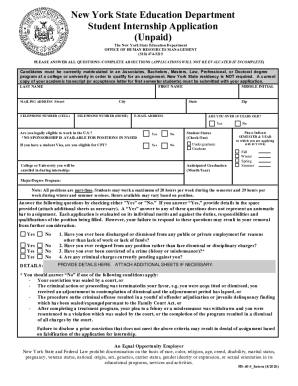
The section in question refers to a part of a job application where applicants are required to provide specific details that may not be covered elsewhere in the form. This often involves space for additional information that can highlight an applicant's suitability for a role. Such sections are crucial for employers to understand an applicant's capabilities and for candidates to demonstrate their unique qualifications.
Completing the Job Application Section
When completing this part of a job application, it is important to follow a step-by-step approach:
-
Read the Instructions Carefully: Ensure you understand what information is required. Some applications may provide specific prompts or questions to guide your response.
-
Tailor Your Content: Customize the information you provide to align with the job description and employer's expectations. Highlight relevant skills, experiences, or achievements that fit the specific role.
-
Be Concise yet Comprehensive: While being detailed is important, ensure that your response is not overly verbose. Aim for clarity and relevance in your explanations.
-
Proofread for Clarity and Errors: Errors in grammar or spelling can undermine the professionalism of your application. Review your response to ensure it's polished.
Reasons for Importance
Utilizing this section effectively can significantly enhance an applicant’s chances of being noticed:
-
Showcase Unique Skills: This is an opportunity to discuss any special skills or experiences not captured elsewhere in the application.
-
Address Potential Concerns: Address any gaps in employment history or changes in career path proactively, offering clear explanations.
-
Express Enthusiasm for the Role: Convey your interest in the position and the organization, demonstrating your motivation and cultural fit.
Typical Users of this Section
The primary users of this section are job applicants across a variety of sectors. While some roles might emphasize technical skills, others might prioritize soft skills or creative problem-solving abilities.
- Entry-level Applicants: To highlight education, internships, or volunteer experiences that showcase potential.
- Experienced Professionals: To discuss specific projects or challenges overcome in previous roles.
- Career Changers: To explain the transition between industries and highlight transferable skills.
Key Elements to Include
Certain components should be included to maximize the impact of this section:
- Relevant Experience: Clearly articulate experiences directly related to the job.
- Specific Achievements: Use metrics and specific examples to illustrate past successes.
- Professional Goals: Briefly indicate how the role fits into your long-term career aspirations.
Legal and Compliance Considerations
Job application sections in the United States are designed to comply with employment laws, ensuring:
- EEO Compliance: Employers must ensure the application process adheres to Equal Employment Opportunity standards.
- Confidential Information: Protect sensitive personal data by including only necessary details.
Examples of Effective Use
Applicants can reference successful scenarios to better understand how to use this section:
- Case Study 1: An applicant with a career gap provided a compelling narrative about the skills gained during a period of self-employment.
- Case Study 2: A recent graduate discussed volunteer work that directly related to industry trends in their desired field.
Versions and Alternatives
While many applications contain a section for additional information or essays:
- Custom Forms: Some companies utilize custom applications that might not label the section explicitly as "There is a section for a job application to write about," yet serve the same purpose.
- Digital Applications: Online platforms may offer dynamic input fields that expand based on user interaction, prompting for tailored responses.