01. Edit your form online
Type text, add images, blackout confidential details, add comments, highlights and more.

Type text, add images, blackout confidential details, add comments, highlights and more.

Draw your signature, type it, upload its image, or use your mobile device as a signature pad.

Send it via email, link, or fax. You can also download it, export it or print it out.
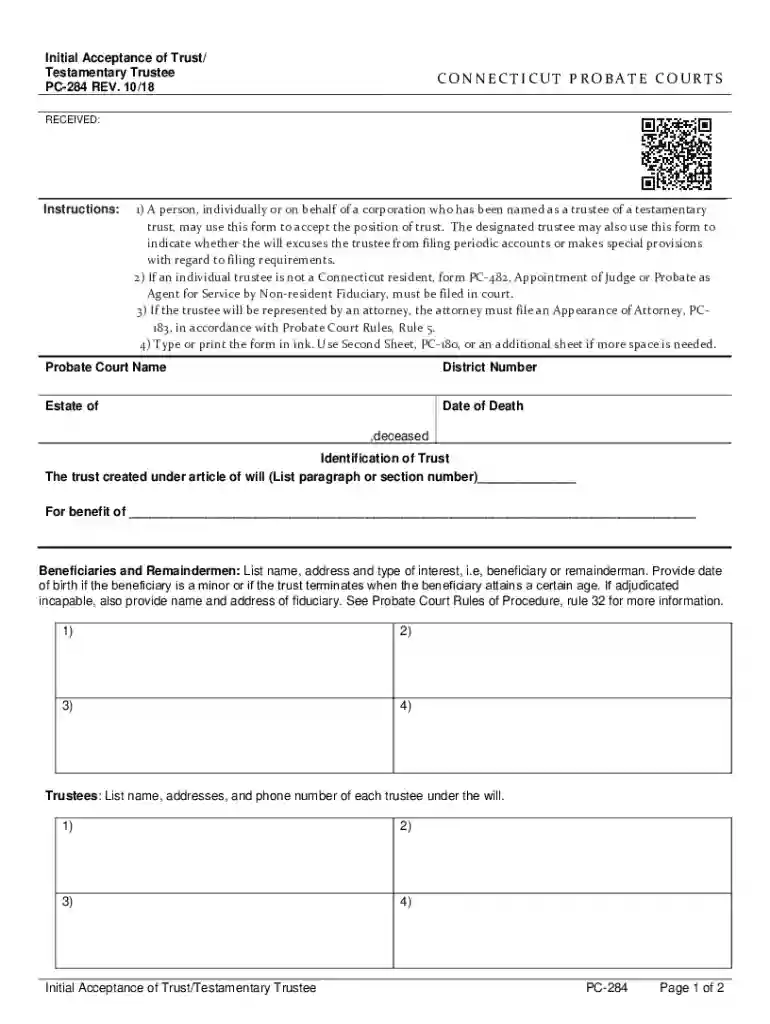
The "Duties and Responsibilities of a Trustee - Estate Planning" form is a crucial legal document that outlines the obligations a trustee must fulfill when managing a trust. This document is essential for setting clear expectations and ensuring that trustees understand their roles in estate planning. Typically, the form includes detailed descriptions of fiduciary duties such as managing trust assets prudently, ensuring fair treatment of beneficiaries, and adhering to the terms set forth in the trust document. By establishing these duties, the form helps safeguard the interests of the trust's beneficiaries and ensures compliance with applicable laws.
This form contains several key components that make it integral to the estate planning process. It outlines the responsibilities which include asset management, distribution of funds to beneficiaries, tax filing, and maintaining transparent records. Trustees are expected to act in the best interest of all beneficiaries, avoiding conflicts of interest and personal gain. The form also specifies the need for regular accounting and reporting to beneficiaries and, in some cases, to courts or other authorities. All these elements are designed to ensure fidelity and accountability in the management of the trust.
In a legal context, this form serves as a binding agreement to which trustees must adhere. It operates under the fiduciary duty laws applicable in the United States. Legal use primarily focuses on holding trustees accountable to manage the trust as per the directives of the grantor. By signing this form, trustees affirm their understanding and willingness to comply with legal obligations and ethical norms governing estate management.
Completing this form involves several steps to ensure thorough understanding and proper execution of trustee duties. Each step should be completed accurately to reflect the trust's intentions and comply with legal requirements.
State laws can significantly impact the duties and responsibilities of a trustee. For example, some states might have additional requirements for trustee disclosures or fiduciary obligations. It's essential to understand these state-specific rules to ensure compliance.
Understanding key terms is vital for trustees. These terms often include "fiduciary responsibility," "beneficiary," "trustor," and "corpus of the trust." Knowing these terms helps trustees in fulfilling their duties accurately.
The form is primarily used by individuals appointed as trustees. This includes family members, close friends, or even professional fiduciaries who manage trusts for estates. Each user must thoroughly understand the responsibilities to manage the trust effectively and in accordance with legal and ethical standards.


Failure to comply with the duties outlined in this form can result in legal consequences for the trustee. These penalties may include removal from the trustee position, financial restitution for losses to the trust, and even civil or criminal charges depending on the severity of the breach.
We've got more versions of the Duties and Responsibilities of a Trustee - Estate Planning form. Select the right Duties and Responsibilities of a Trustee - Estate Planning version from the list and start editing it straight away!
At DocHub, your data security is our priority. We follow HIPAA, SOC2, GDPR, and other standards, so you can work on your documents with confidence.