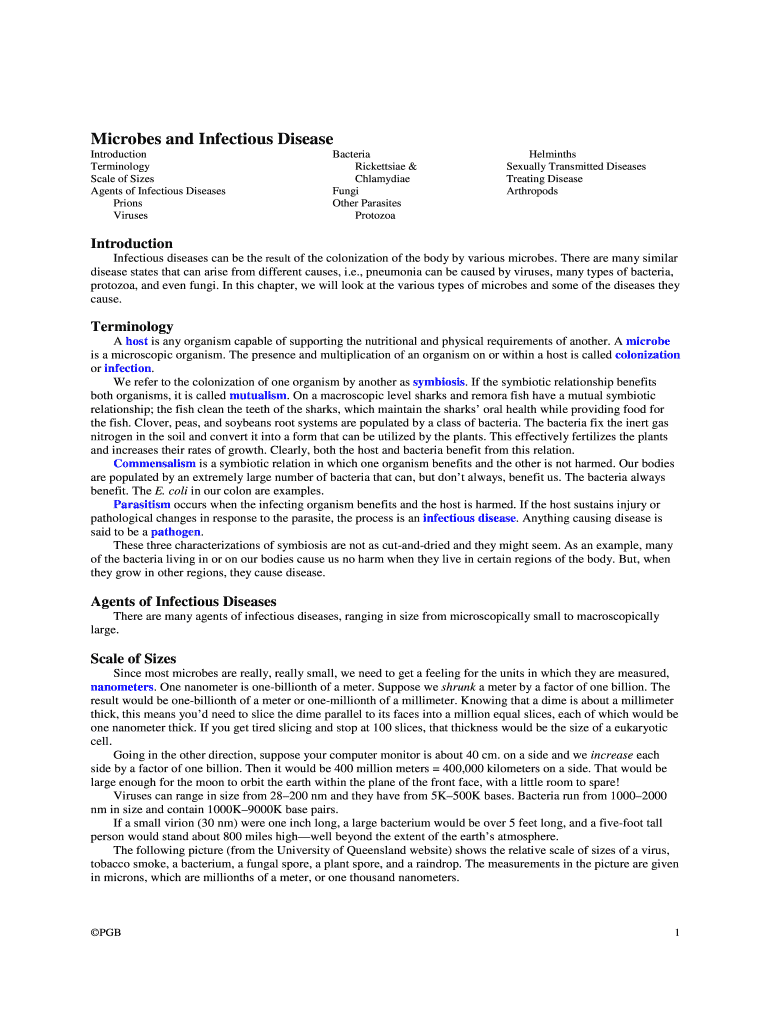







Definition and Importance of Microbes and Infectious Disease
Microbes, also known as microorganisms, encompass a diverse group of organisms, including bacteria, viruses, fungi, protozoa, and helminths. These organisms are ubiquitous and play critical roles in both the environment and human health. Infectious diseases occur when pathogenic microbes invade a host, leading to illness. Understanding the nature of these diseases is crucial for public health efforts, as they can range from mild to life-threatening. The study of microbes and infectious diseases is vital to developing preventative measures, treatments, and policies to combat the spread and impact of these conditions.
Classification and Varieties of Microbes
Microorganisms are broadly classified into several types, each with unique characteristics:
- Bacteria: Single-celled organisms that can cause diseases such as tuberculosis and pneumonia.
- Viruses: Require a host cell to replicate and are responsible for illnesses like the flu and COVID-19.
- Fungi: Includes yeasts and molds that can lead to infections such as athlete's foot.
- Protozoa: Single-celled organisms that often cause diseases like malaria.
- Helminths: Parasitic worms that can infect the intestines and other tissues.
Each type of microbe has distinct mechanisms of infection and propagation, necessitating different approaches to prevention and treatment.
How to Use Knowledge of Microbes and Infectious Disease
Understanding microbes and infectious diseases is essential for various sectors, including healthcare, research, and public policy. This knowledge helps in:
- Tracking and Monitoring: Epidemiologists use this information to track disease outbreaks and patterns.
- Developing Treatment Protocols: Medical professionals rely on current knowledge to treat patients effectively.
- Public Health Education: Informing communities about preventative measures reduces the spread of infections.
- Research and Development: Scientists work on vaccines and new treatments by understanding microbial behavior and disease mechanisms.
Professionals across these fields utilize this information to mitigate the effects of infectious diseases and improve health outcomes worldwide.
Steps to Complete Understanding of Microbes and Infectious Disease
To achieve a comprehensive understanding of microbes and their associated diseases, one can follow these steps:
- Study Foundational Microbiology: Learn about the basic structure, function, and classification of microorganisms.
- Understand Disease Mechanisms: Explore how infections occur and progress within the body.
- Review Case Studies: Examine real-world examples of disease outbreaks and control measures.
- Stay Updated on Emerging Research: Keep abreast of new findings and technological advancements in the field.
- Engage in Continuing Education: Attend workshops, seminars, and conferences focused on infectious diseases.
These steps help individuals and organizations develop a well-rounded understanding that is vital for effective disease control and prevention.
Key Elements of Microbes and Infectious Disease
Several key elements are central to the study of microbes and infectious diseases:
- Transmission Methods: Understanding how diseases spread, via direct contact, airborne particles, or vectors.
- Pathogen Virulence: The ability of a microbe to cause disease, impacting treatment approaches.
- Host Response: The immune system's reaction to infection, crucial for developing vaccines and therapies.
- Environmental Factors: Conditions that affect the survival and spread of microbes, such as climate and sanitation.
- Socioeconomic Impact: Analyzing how diseases affect different populations, informing public health strategies.
Each element contributes meaningfully to our comprehension of infectious diseases and guides efforts to manage and eradicate them.
Who Typically Uses Information on Microbes and Infectious Disease
A wide range of professionals and organizations utilize information on microbes and infectious diseases:
- Healthcare Providers: Doctors, nurses, and public health workers apply this knowledge in patient care and disease prevention.
- Researchers: Scientists conduct studies to discover new treatments and understand disease dynamics.
- Policy Makers: Government officials and agencies use this data to develop health policies and emergency response plans.
- Educators: Teachers and professors impart knowledge on infectious diseases to students in related fields.
- Non-Profit Organizations: NGOs work to reduce disease burden in vulnerable populations through education and healthcare initiatives.
This diverse group collaborates to address public health challenges and improve global health outcomes.
Legal Considerations in Handling Infectious Diseases
There are significant legal aspects to consider in the management of infectious diseases:
- Reporting Requirements: Certain diseases must be reported to health authorities for public safety.
- Quarantine and Isolation Laws: Legal measures used to control the spread of contagious diseases.
- Privacy Concerns: Laws such as HIPAA ensure patient confidentiality when dealing with infectious disease cases.
- Vaccination Mandates: Legal requirements for immunizations to prevent outbreaks in communities.
- International Health Regulations: Guidelines set by organizations like the WHO to coordinate global responses to health emergencies.
Compliance with legal standards is crucial in maintaining public trust and effectively managing disease outbreaks.
Examples of Using Microbes and Infectious Disease Information
Practical applications of this knowledge include:
- Epidemiological Studies: Tracking flu transmission patterns to inform vaccine distribution.
- Public Health Campaigns: Educating communities about handwashing to prevent disease spread.
- Vaccine Development: Using genetic information of viruses like SARS-CoV-2 to create effective immunizations.
- Hospital Hygiene Protocols: Implementing strict sanitation measures to prevent healthcare-associated infections.
- Global Health Initiatives: Targeting neglected tropical diseases with tailored interventions.
Through these examples, it is clear that informed application of microbial knowledge has far-reaching benefits.
Digital vs. Paper Version of Infectious Disease Education Materials
With advancements in technology, educational materials on infectious diseases are available in both digital and paper formats, each with its own advantages:
-
Digital Versions:
- Easily updated with the latest research findings.
- Interactive elements such as videos and infographics enhance understanding.
- Accessible from anywhere, facilitating remote education and learning.
-
Paper Versions:
- Useful for environments with limited digital access.
- Preferred for in-depth study sessions without screen-related distractions.
- Physical copies are tangible resources that can be readily referenced.
Both formats serve different needs and preferences, contributing to widespread information dissemination.
Important Terms Related to Microbes and Infectious Disease
Understanding infectious diseases requires familiarity with specialized terminology:
- Pathogen: Any organism that causes disease.
- Immunity: The body's defense mechanism against specific pathogens.
- Antimicrobial: Agents that kill or inhibit the growth of microorganisms.
- Vector: An organism, often an insect, that transmits pathogens between hosts.
- Incubation Period: The time between exposure to a pathogen and the appearance of symptoms.
These terms are foundational to studying infectious diseases, enabling clearer communication and understanding among professionals and students in the field.