Definition and Meaning of Secured Commercial Loans
Secured commercial loans are financing agreements where the borrower pledges an asset as collateral to the lender. This collateral serves as a security measure, reducing the lender's risk and potentially allowing the borrower to receive more favorable loan terms. If the borrower defaults on the loan, the lender has the right to claim the collateral to recover the borrowed amount. Collateral can include a range of assets such as real estate, equipment, or inventory, depending on the loan agreement and the lender’s policies.
Key Elements of Secured Commercial Loans
Understanding the components of secured commercial loans is crucial for businesses. Some key elements include:
- Collateral: The physical or financial asset pledged by the borrower.
- Interest Rate: Often lower compared to unsecured loans due to reduced lender risk.
- Loan Term: The period over which the loan must be repaid, which can vary significantly.
- Loan Amount: Determined based on the value of the collateral and the business’s creditworthiness.
- Repayment Structure: Dictates how frequently payments are made (e.g., monthly, quarterly).
How Collateral Impacts Loan Terms
Secured loans generally offer more favorable terms than unsecured loans. The presence of collateral reduces the lender's risk, often resulting in lower interest rates, higher borrowing limits, and possibly longer repayment periods. However, the risk to the borrower increases because failing to meet loan obligations can result in losing the collateralized asset.
Eligibility Criteria for Secured Commercial Loans
To qualify for a secured commercial loan, businesses must meet certain criteria. These often include:
- Creditworthiness: A good credit score and history can influence eligibility and terms.
- Asset Valuation: The value of the asset offered as collateral must meet lender standards.
- Business Financial Stability: Proof of stable cash flow and financial health may be required.
- Documentation: Detailed business plans and financial statements may be necessary to support the loan application.


Application Process and Approval Time
Securing a commercial loan involves several steps:
- Prepare Documentation: Gather all necessary documents, including financial statements, a business plan, and details on the collateral.
- Choose a Lender: Compare options from banks, credit unions, and alternative lenders.
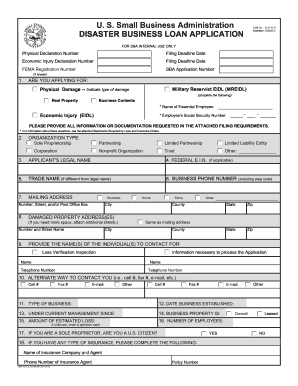
- Submit Application: Complete the lender’s application form and submit all required documents.
- Lender Review: The lender evaluates the business’s financial health, creditworthiness, and the collateral’s value.
- Approval and Terms Offer: If approved, the lender presents the loan terms, interest rates, and repayment schedule.
- Loan Acceptance: The business agrees to the terms, finalizes the loan agreement, and receives the funds.
Examples of Using Secured Commercial Loans
Secured loans are often used for:
- Real Estate Purchases: Acquiring commercial property.
- Equipment Financing: Buying heavy machinery or vehicles.
- Inventory Expansion: Increasing stock levels for growth or seasonal demand.
- Business Expansion: Opening new locations or facilities.
State-Specific Rules for Secured Loans
Different states may have varied regulations governing secured loans, such as:
- Usury Laws: Limitations on interest rates that can be charged.
- Filing Requirements: Specific documentation requirements for collateral registration.
- Foreclosure Procedures: State-specific laws on reclaiming collateral.
Businesses should consult with a legal expert familiar with state laws to ensure compliance.
Digital vs. Paper Version
Secured commercial loan applications can often be completed digitally, providing convenience and efficiency. Digital applications may offer:
- Faster Application Processes: Online submissions reduce the time needed for approval.
- Integration with Financial Software: Compatibility with accounting tools like QuickBooks streamlines financial tracking and reporting.
- Improved Record Keeping: Digital documentation reduces the risk of lost paperwork and allows easy access to records.
However, some lenders or states might still require paper submissions for official records or legal purposes.