






Understanding a Sample Letter of Disassociation from a Company
Definition and Importance of a Disassociation Letter
A disassociation letter typically serves as a formal notification that an individual or entity wishes to terminate a relationship with a company or organization. This document is vital for legal and financial reasons, as it clarifies the cessation of obligations and responsibilities. A sample letter of disassociation from a company not only outlines the request but also provides essential details that help in documenting the disconnection formally.
- It can prevent misunderstandings regarding future liabilities.
- Ensures proper handling of any remaining business matters.
- Acts as a record for both parties involved for future reference.
Key Components of a Disassociation Letter
A well-structured disassociation letter should include specific components to ensure its effectiveness and legal standing. These elements often include:
- Date of the letter: This indicates when the disassociation request was made.
- Recipient's information: Name, title, and contact information of the person to whom the letter is addressed.
- Sender's information: Your name, title, and contact information, ensuring clarity on who is making the request.
- Statement of disassociation: A clear notice of intent to disassociate, indicating the reason if appropriate.
- Request for confirmation: A request for the company to acknowledge the disassociation to ensure both parties are informed.
- Signature: Your signature to validate the document legally.
Steps to Create a Letter of Disassociation
Creating a disassociation letter can be straightforward if a clear structure is followed. Here is a step-by-step guide:
- Choose the appropriate format: Use a standard business letter format.
- Begin with the date: Position the date at the top of the letter.
- Insert recipient information: Include the name, title, and company address.
- Craft a clear subject line: Consider using “Letter of Disassociation” as a subject at the top of the letter.
- Write the body of the letter:
- Open with a formal greeting.
- Clearly state the intention to disassociate, including any relevant reasons.
- Request confirmation of receipt: Politely ask the recipient to acknowledge the letter.
- Close the letter: Use a professional closing, provide your signature, and then type your name.
Common Scenarios Requiring a Letter of Disassociation
There are various situations in which an individual or entity might need to issue a disassociation letter:
- Change in business structure: If a partnership dissolves or a business switches to a different entity type.
- Dissolution of a partnership: When former partners no longer wish to be associated in a business context.
- Termination of services: When an individual decides to end a service or contract with a company due to unsatisfactory experiences or changes in personal circumstances.
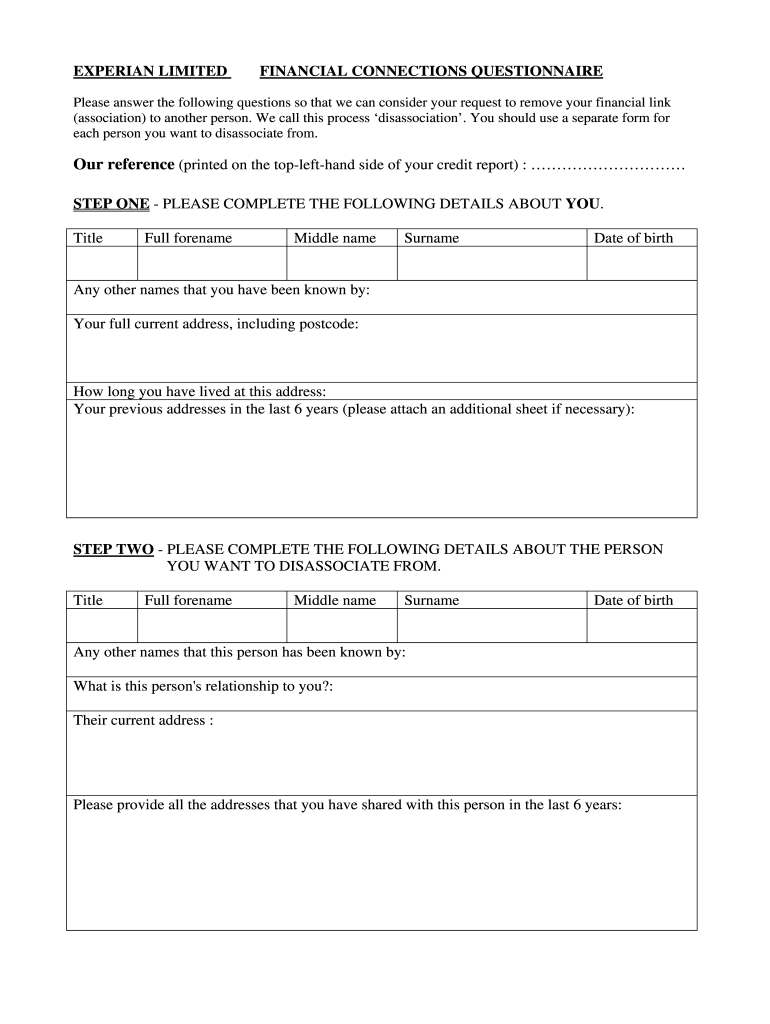
- Financial disassociation: In cases where individuals need to clarify financial independence from joint accounts or shared debts, much like those in scenarios involving credit or loan obligations.
Variations of a Disassociation Letter
When drafting a letter of disassociation, the content may vary depending on the circumstances. For instance:
- Financial disassociation letter: This would specifically address shared financial accounts.
- Employment disassociation letter: Here, the letter may express the intent to quit and clarify the last working day.
- General disassociation letter: A letter for general termination of services without delving into financial specifics.
Examples and Templates
Using a sample letter of disassociation from a company can be beneficial. Below is a simplified example:
[Your Name]
[Your Address]
[City, State, ZIP Code]
[Email Address]
[Phone Number]
[Date]
[Recipient’s Name]
[Recipient’s Title]
[Company Name]
[Company Address]
[City, State, ZIP Code]
Subject: Letter of Disassociation
Dear [Recipient's Name],
I am writing to formally notify you that I, [Your Name], no longer wish to associate with [Company Name]. This decision stems from [brief reason, if applicable, e.g., changes in my business direction].
As of [date], please consider this letter as the official request for disassociation. I kindly ask you to confirm the receipt of this letter and acknowledge my disassociation from your records.
Thank you for your understanding.
Sincerely,
[Your Signature (if sending a hard copy)]
[Your Typed Name]
This example provides a foundational template that can be customized to suit your specific needs. Utilizing resources such as templates can streamline the process further, making it easier to create effective letters of disassociation.
Conclusion
In summary, a sample letter of disassociation from a company is a crucial document for various formal dissolutions of relationships. Its effective use contains important components, follows clear steps, and addresses common scenarios. Understanding the nuances helps individuals navigate these potentially complex matters effectively, ensuring proper communication and documentation throughout the process.