
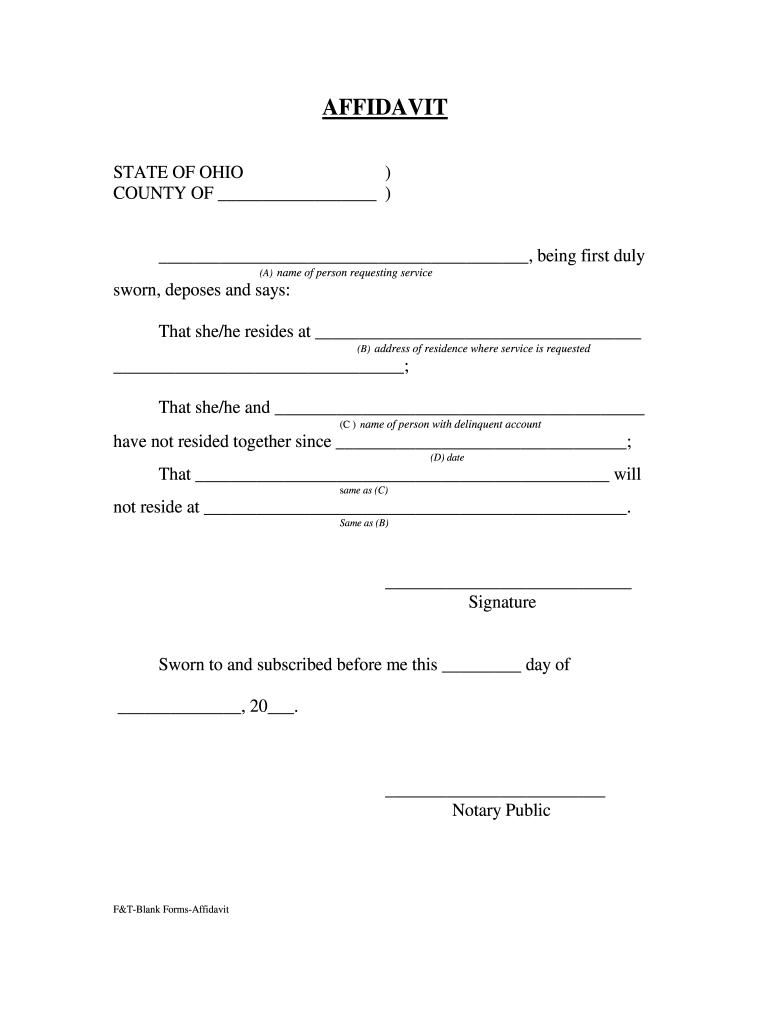







Definition & Meaning of the AES Affidavit
The AES affidavit, also known as the Automatic Export System affidavit, is a legal document required by the U.S. Census Bureau for the purpose of declaring the compliance of exported goods. It serves as a formal statement affirming the accuracy of shipment data, particularly for exporters who must comply with federal regulations. This affidavit is essential in the context of international shipping as it aids in ensuring that exporters meet their reporting responsibilities regarding exports, thereby promoting legal compliance.
The affidavit typically contains information like the shipper's details, destination of the goods, description of the merchandise, and a declaration certifying that all information provided is true and factual. This underscores the importance of transparency in international trade and helps prevent issues such as fraud and illegal exports.
Key Elements of the AES Affidavit
- Exporter Information: This includes the name, address, and contact details of the exporter.
- Description of Goods: A detailed description of the goods being exported, including quantity and value.
- Destination Details: Information about where the goods are being shipped, including recipient contacts.
- Certification Statement: A sworn declaration confirming the accuracy of the information provided.
- Signatures: Required signatures from the exporter and any relevant parties, such as a notary public, to validate the affidavit's authenticity.
How to Use the AES Affidavit
Using the AES affidavit involves several steps that ensure compliance with federal regulations when exporting goods. This process is crucial for exporters to maintain legality and transparency.
- Gather Required Information: Collect all necessary information related to the shipment, including product descriptions, shipment value, and destination details.
- Complete the Affidavit: Fill out the affidavit form accurately. Ensure that every detail is correct to prevent delays or penalties.
- Obtain Signatures: Once the affidavit is completed, the exporter or authorized signatory must sign it. If required, a notary public may also need to stamp the document.
- Submit the Affidavit: Depending on regulatory requirements, submit the completed AES affidavit electronically through the Automated Export System or as instructed for compliance.
- Keep Copies: Retain a copy of the signed affidavit for record-keeping and future reference to comply with regulations.
Steps to Complete the AES Affidavit
Completing the AES affidavit requires meticulous attention to detail to ensure all necessary information is included and accurate.
- Download the Form: Obtain the AES affidavit form from the Census Bureau or official resources.
- Enter Exporter Information: Fill in your name, address, and contact details at the top of the form.
- Describe the Shipment: Clearly outline the items being exported, including their nature, quantity, and value.
- Fill in Destination Information: Provide accurate details of the shipment's destination, including recipient information.
- Complete Certification Statement: Affirm the accuracy of the provided data by signing the affidavit.
- Notarization (if applicable): If the form requires it, arrange for a notary public to witness and verify your signature.
- Submit the Affidavit: Follow the designated submission methods, which may include electronic submission or sending by mail.
Legal Use of the AES Affidavit
The AES affidavit plays a vital role in legal compliance for exporters.
- Compliance with Export Regulations: The affidavit helps exporters adhere to U.S. laws governing international trade and export reporting.
- Proof of Due Diligence: By completing and submitting the affidavit, exporters demonstrate their commitment to accurate and truthful reporting, which can mitigate legal risks.
- Facilitating Customs Processing: Proper submission of the AES affidavit ensures faster processing at customs, minimizing delays that could affect shipping schedules.
- Record-Keeping: Maintaining a signed copy of the affidavit can serve as a legal record in case of audits or disputes regarding the export shipment.
Important Terms Related to the AES Affidavit
Understanding the terminology associated with the AES affidavit can aid exporters in navigating the complexities of international trade.
- Exporter: The individual or entity sending goods out of the United States.
- AES: The Automated Export System, a system used for tracking export shipments and filing required export reports.
- Notary Public: An official authorized to witness signatures and certify documents, providing legal validation to the affidavit.
- Federal Regulations: Laws that must be followed in the exportation of goods, ensuring compliance with U.S. trade laws and international agreements.
These terms form the backbone of the AES affidavit process, enabling exporters to better prepare and comply with legal obligations.




