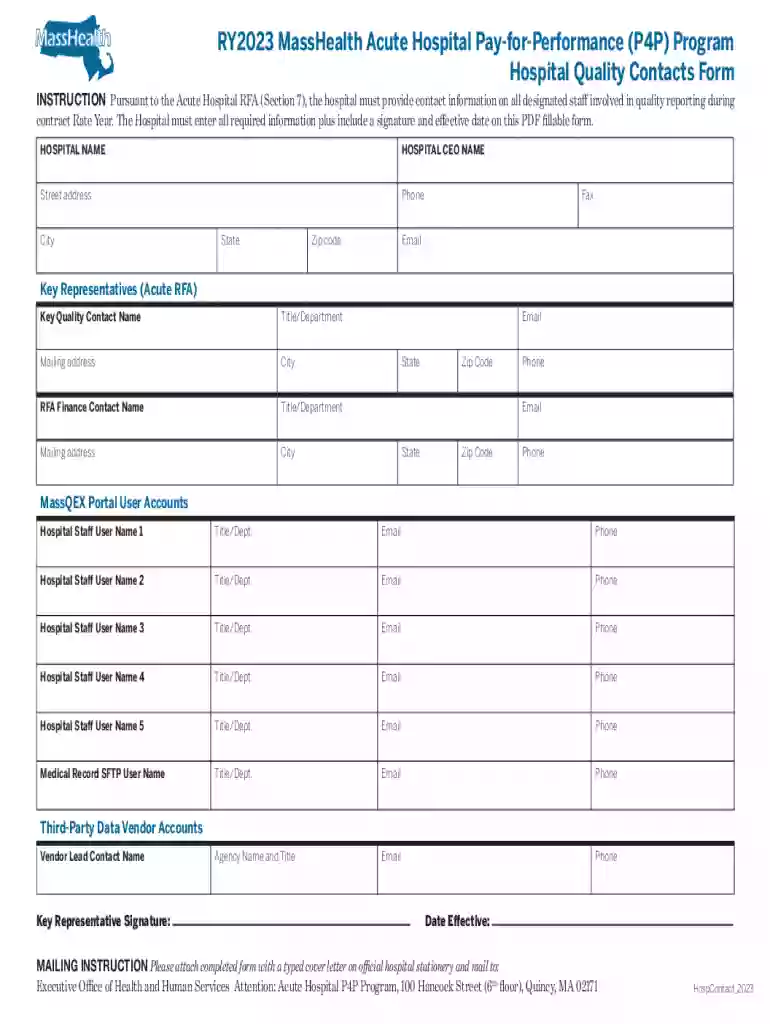
General Law - Part I, Title III, Chapter 29, Section 2SSSS 2026

Get Form
General Law - Part I, Title III, Chapter 29, Section 2SSSS Preview on Page 1

Here's how it works

01. Edit your form online
Type text, add images, blackout confidential details, add comments, highlights and more.

02. Sign it in a few clicks
Draw your signature, type it, upload its image, or use your mobile device as a signature pad.

03. Share your form with others
Send it via email, link, or fax. You can also download it, export it or print it out.

Definition & Meaning

General Law - Part I, Title III, Chapter 29, Section 2SSSS is part of the Massachusetts financial statutes. This section is a legal provision within the broader framework governing the state's financial administration and fiscal management. Its primary purpose is to establish and regulate a specific financial fund, mechanism, or process integral to the state's operations. This legal framework is designed to ensure transparency, accountability, and proper use of public funds. It does so by defining the scope, purpose, and application of the finances or funds it pertains to.

Key Components and Purpose

  • Fund Establishment: Section 2SSSS typically involves the creation of a specialized fund managed by the state to ensure financial resources are allocated effectively.
  • Regulatory Guidelines: Provides guidelines on how the funds should be utilized, ensuring compliance with state financial goals and ethical standards.
  • Oversight and Management: Outlines the responsibilities of state agencies or officials tasked with managing and overseeing the funds, guaranteeing accountability.

How to Use the General Law - Part I, Title III, Chapter 29, Section 2SSSS

Utilizing Section 2SSSS effectively requires an understanding of its specific directives regarding fund allocation and management.

Practical Steps

  1. Review the Legal Text: Start by familiarizing yourself with the precise language and stipulations of the law. This ensures compliance and understanding of its intent.
  2. Identify Responsible Parties: Determine which state agencies or departments are responsible for overseeing the implementation of this section.
  3. Compliance Education: Educate all involved personnel about the requirements and protocols outlined to ensure proper fund management.

Implementation Tips

  • Documentation: Maintain thorough records of all transactions and decisions related to the management of funds as dictated by the law.
  • Regular Assessments: Conduct periodic reviews to guarantee adherence to the legal stipulations and to make adjustments as needed.

Steps to Complete the General Law - Part I, Title III, Chapter 29, Section 2SSSS

Ensuring full compliance with this statute involves understanding and executing the necessary fiscal tasks.

Detailed Process

  1. Preparation and Planning:

    • Assess the fund requirements as described in the statute.
    • Develop a comprehensive plan detailing how funds will be managed according to legal guidelines.
  2. Documentation and Submission:

    • Complete all requisite forms and documentation that provide evidence of compliance with the law.
    • Submit these documents to the appropriate state department for approval and monitoring.
  3. Monitoring and Reporting:

    • Set up systems to monitor fund usage and adherence to statutory regulations.
    • Submit regular reports to relevant oversight bodies to demonstrate ongoing compliance.

Important Terms Related to General Law - Part I, Title III, Chapter 29, Section 2SSSS

Understanding critical terminology is essential for proper application and compliance.

Glossary

  • Appropriation: The authorized allocation of funds for specific purposes outlined by the statute.
  • Fiscal Year: The annual period used for accounting purposes, critical for aligning financial management with state requirements.
  • Oversight Authority: The designated body or official responsible for ensuring compliance with the statute.

Usage

  • Ensure these terms are clearly defined within your organization to promote consistent understanding and application.

Legal Use of the General Law - Part I, Title III, Chapter 29, Section 2SSSS

Legal compliance ensures that funds are used ethically and in line with state mandates.

Compliance Requirements

  • Audit Trails: Keep diligent records of all financial transactions to provide transparency and accountability.
  • Ethical Guidelines: Adhere to ethical guidelines to prevent misuse or mismanagement of funds.
  • Regulatory Checks: Implement regular checks to ensure all financial practices align with the law's requirements.

Examples of Using the General Law - Part I, Title III, Chapter 29, Section 2SSSS

Illustrative scenarios can shed light on the practical application of the statute.

Case Studies

  • Public Infrastructure Project: Funds allocated under Section 2SSSS for infrastructure improvements must be managed following strict procurement and reporting guidelines outlined in the statute.
  • Education Funding: When distributing educational resources, compliance with Section 2SSSS ensures funds are used to enhance school facilities and programs.

Best Practices

  • Engage in continuous monitoring of fund usage to maintain compliance and adapt to any legislative changes.

Who Typically Uses the General Law - Part I, Title III, Chapter 29, Section 2SSSS

Identifying the key users of this statute is crucial for targeted compliance efforts.

decoration image ratings of Dochub

Primary Users

  • State Financial Officers: Those responsible for managing state budgets and expenditures must be well-versed in this section.
  • Legal Advisers: Advisers ensuring that financial practices comply with Massachusetts law.
  • Auditors: Independent auditors assessing the compliance with legal and financial guidelines.

Responsibilities

  • These stakeholders must align all fiscal activities with the stipulations of the statute to ensure responsible fund utilization.

State-Specific Rules for the General Law - Part I, Title III, Chapter 29, Section 2SSSS

Understanding how state-specific rules impact the use of Section 2SSSS is essential for implementation.

Massachusetts Context

  • Regulatory Bodies: Adherence to guidelines provided by Massachusetts state financial authorities is mandatory.
  • Local Variations: Understand any local or regional implementations that may affect how Section 2SSSS is applied within different jurisdictions in Massachusetts.

Through this in-depth understanding and strategic implementation of the provisions outlined in General Law - Part I, Title III, Chapter 29, Section 2SSSS, stakeholders can ensure effective management and oversight of state-allocated funds, maintaining compliance with Massachusetts state financial statutes.

See more General Law - Part I, Title III, Chapter 29, Section 2SSSS versions

We've got more versions of the General Law - Part I, Title III, Chapter 29, Section 2SSSS form. Select the right General Law - Part I, Title III, Chapter 29, Section 2SSSS version from the list and start editing it straight away!
Versions Form popularity Fillable & printable
2023 4.9 Satisfied (45 Votes)
2021 4.8 Satisfied (42 Votes)
2020 4 Satisfied (34 Votes)
2014 4.8 Satisfied (63 Votes)
be ready to get more

Complete this form in 5 minutes or less

Get form

Got questions?

We have answers to the most popular questions from our customers. If you can't find an answer to your question, please contact us.
Contact us
Section 18: Personal property; assessment First, All tangible personal property, including that of persons not inhabitants of the commonwealth, except ships and vessels, shall, unless exempted by section five, be taxed to the owner in the town where it is situated on January first.
Section 2: Wrongful death; damages A person shall be liable for the negligence or the willful, wanton or reckless act of his agents or servants while engaged in his business to the same extent and subject to the same limits as he would be liable under this section for his own act.
(a)(1) With respect to a credit card which may be used for extensions of credit in sales transactions in which the seller is a person other than the card issuer, the card issuer may not, by contract or otherwise, prohibit any such seller from offering a discount to a cardholder to induce the cardholder to pay cash,
Any person who finds lost money or goods of the value of three dollars or more, the owner of which is unknown, shall within two days report the finding thereof to the officer in charge at a police station in the town where said property was found, or, if there is no police station, post notice thereof in two public
The Move Over Law, established under Section 7C of Massachusetts General Laws, aims to enhance the safety of emergency responders, highway maintenance workers, and recovery personnel by mandating specific actions for motorists approaching stationary emergency, maintenance, or recovery vehicles with flashing lights on

Security and compliance

At DocHub, your data security is our priority. We follow HIPAA, SOC2, GDPR, and other standards, so you can work on your documents with confidence.

Learn more
ccpa2
pci-dss
gdpr-compliance
hipaa
soc-compliance

People also ask

Section 11. Any person required to provide a DNA sample pursuant to this chapter and who refuses to provide such DNA sample shall be subject to punishment by a fine of not more than $1,000 or imprisonment in a jail or house of correction for not more than six months or both.
76, 1 ) requires children between the ages of 6 and 16 to attend a public day school in the town the student resides, or some other day school approved by the school committee. The law recognizes the right of parents to choose from among several educational options , including enrolling their child in a private
Massachusetts General Laws Chapter 59, Section 29 requires all business owners to annually file a Form of List with the Assessors office in the town where the business is situated. This law applies to anyone who operated a business in the town, even home businesses.

Related links