
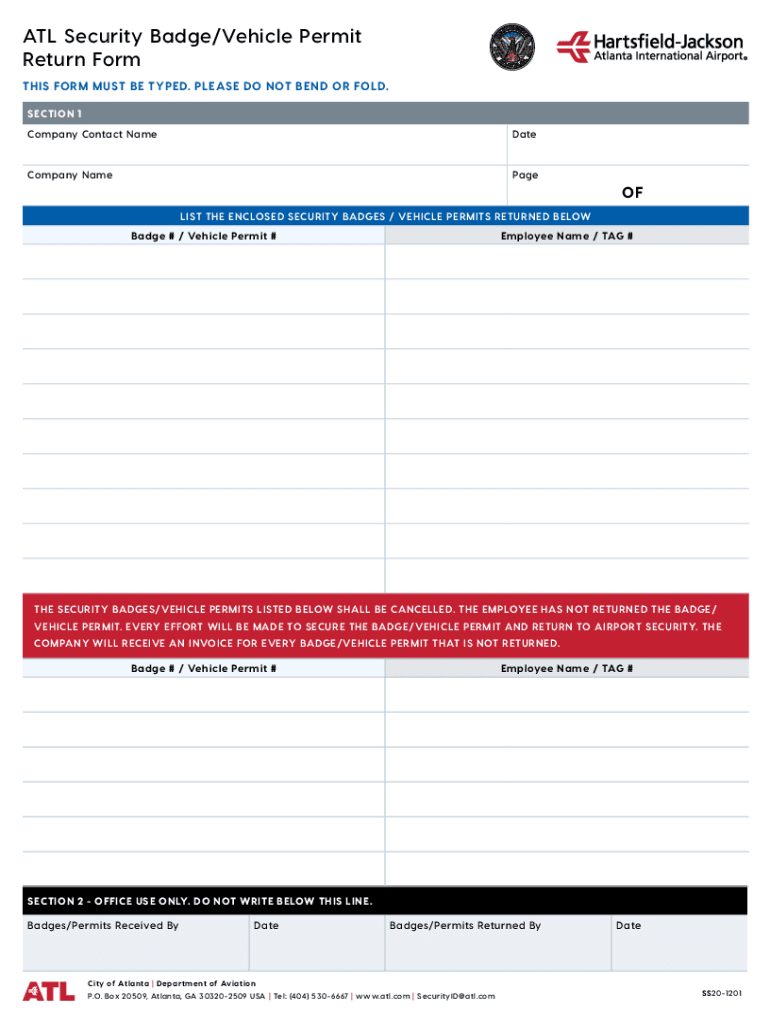







Definition and Purpose of Online Forms
Online forms refer to digital documents that individuals or organizations fill out and submit through online platforms. These forms serve a wide range of functions, from application processes and surveys to registration and feedback collection. Unlike their paper counterparts, online forms offer convenience and efficiency. They eliminate the need for physical handling and postage and automate data collection and management. For example, a job application form available online allows candidates to quickly apply for positions without the need for printing or mailing paper documents.
Steps to Complete the Form Online
-
Access the Form: Navigate to the website that hosts the form. This could be a company’s official site or a government portal.
-
Read Instructions: Thoroughly review any instructions or guidelines provided. This ensures you understand the requirements and avoid errors.
-
Enter Information: Fill in the required fields with accurate information. This may include personal details, professional qualifications, or specific responses to questions.
-
Review and Edit: Before submission, review all entries for accuracy. Make necessary adjustments to avoid mistakes that could affect processing.
-
Submit the Form: Once satisfied with the information entered, submit the form by clicking the designated button. Confirmation emails or notifications are often sent to acknowledge receipt.
-
Save or Print a Copy: After submission, save a digital copy of the completed form for your records. Some platforms may also allow you to print a copy.
How to Obtain Online Forms
-
Via Official Websites: Most online forms are accessible through the official websites of the respective organizations. For instance, tax forms can be downloaded from the IRS website.
-
Purpose-Specific Portals: Certain sectors, such as education or healthcare, host forms on dedicated portals catering specifically to students or patients.
-
Email Attachments or Links: Organizations may distribute forms via email, providing either direct attachments or links to form pages.
Key Elements of Online Forms
-
Input Fields: These are the areas where users input data, such as text boxes, checkboxes, dropdown menus, and radio buttons.
-
Instructions and Guidelines: Important information guiding users on how to properly complete the form appears at the beginning or inline with respective sections.
-
Validation Requirements: Online forms often include validation protocols to check for errors or unfinished fields before submission, ensuring completeness and accuracy.
-
Confirmation Notices: After successful submission, users usually receive immediate confirmation in the form of a notification or email.
Legal Use of Online Forms
Online forms are legally binding, provided they comply with data protection regulations and relevant laws. Many forms capture signatures electronically, making them practical for binding agreements or contracts. Compliant usage ensures user consent is clearly documented, and data confidentiality is maintained according to legal standards.
Who Typically Uses Online Forms
-
Individuals: For personal transactions, such as job applications, event registrations, or feedback submissions.
-
Businesses: For operations involving client data collection, employee onboarding, and consumer feedback.
-
Educational Institutions: For student applications, course registrations, and feedback forms.
-
Government Agencies: For public services, including tax filing, social services applications, and citizenship requests.
Examples of Using Online Forms
-
Job Applications: Candidates fill out forms with details about their education, experience, and contact information to apply for employment.
-
Surveys and Feedback: Companies use forms to gather consumer opinions on products or services, enabling better market understanding.
-
Event Registration: Online forms streamline the registration process for conferences, workshops, and seminars, often integrating with payment systems.
Software Compatibility for Online Forms
Online forms are compatible with various software and systems, ensuring data integration across platforms like TurboTax, QuickBooks, and Google Workspace. Compatibility facilitates seamless data transfer and processing, a crucial feature for users operating within interconnected systems. For businesses, this leads to efficient data analysis and reporting, enhancing decision-making capabilities.




