





Definition and Meaning of the Microbiology Requisition Form
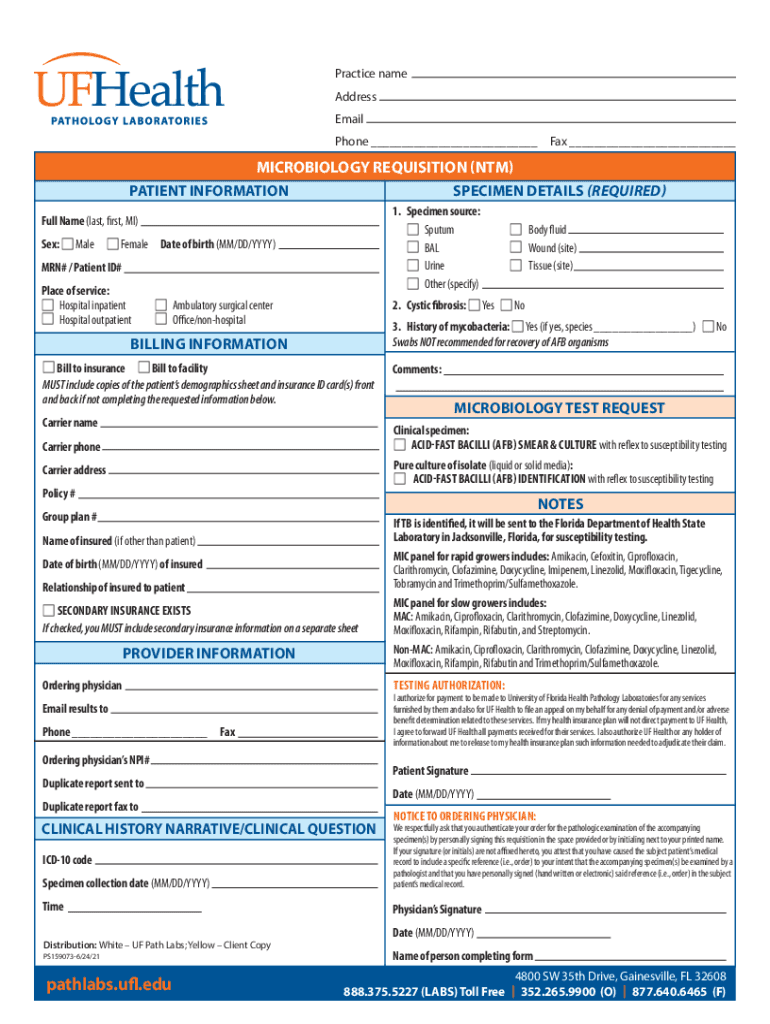
The microbiology requisition form, issued by the Pathology Laboratories of the College of Medicine at the University of Florida, is a crucial document in the medical testing process. It is used for ordering laboratory tests, specifically tests for acid-fast bacilli (AFB), on various clinical specimens. These tests are commonly used for detecting infections like tuberculosis. The form facilitates the accurate communication of testing requirements and patient details between healthcare providers and the laboratory.
Steps to Complete the Microbiology Requisition Form
Completing the microbiology requisition form requires careful attention to detail to ensure the accuracy of the tests. Here is a step-by-step guide:
-
Patient Information: Provide the complete name, date of birth, and contact details of the patient. Accurate patient information ensures test results are linked to the correct individual.
-
Specimen Details: Indicate the type of specimen being submitted (e.g., sputum, tissue, urine) and the date and time of collection. This data is vital for the laboratory's processing and analysis.
-
Medical History: Include relevant medical history that might affect the testing process or interpretation of results, such as previous AFB infections or current symptoms.
-
Billing Information: Enter insurance details, including the provider and policy number, to facilitate the billing process. If self-paying, specify this on the form.
-
Provider Information: Complete the section with the healthcare provider's name, contact information, and signature. This authenticates the test order and provides a point of contact for the laboratory.
-
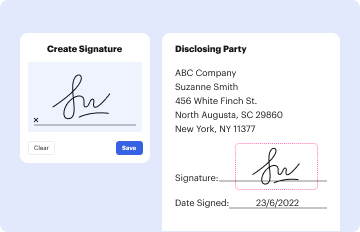
Authorization: Ensure that the form is signed by both the patient and a medical representative to authorize the testing and billing process.
Key Elements of the Microbiology Requisition Form
The form features several crucial sections that need to be filled out thoroughly:
- Patient Identification: Ensures personal details match the testing requirements.
- Specimen Information: Guides the laboratory in handling and analyzing the sample correctly.
- Insurance and Payment Details: Facilitates the billing procedure, specifying payment responsibility.
- Signatures and Authorizations: Confirms consent for testing and billing, complying with legal and medical standards.
Important Terms Related to the Form
Several terms are essential for understanding and completing the form effectively:
- AFB: Refers to acid-fast bacilli, a type of bacteria resistant to decolorization by acids during staining, used in diagnosing tuberculosis.
- Specimen Type: The physical material submitted for testing, such as blood, urine, or tissue.
- Billing Provider: The entity responsible for payment, which could be the patient or an insurance company.
- Order Authentication: The process of confirming and validating the test request made by a licensed medical practitioner.
Legal Use of the Microbiology Requisition Form
The form is a legal document that ensures compliance with medical standards and regulations:
- Patient Consent: Must be clearly indicated and documented before proceeding with tests, respecting patient rights and privacy.
- Provider Authorization: A qualified healthcare professional's signature is mandatory for legal and procedural validity of the test order.
- Insurance Processing: Accurate completion is necessary for correctly billing insurance companies, which prevents claims rejections or delays.
Examples of Using the Form
Real-world application of the form includes scenarios like:
- Routine Screening: A physician orders an AFB test for a patient displaying symptoms of chronic cough and unexplained weight loss to rule out tuberculosis.
- Monitoring Treatment: A healthcare provider requests periodic AFB testing for a patient undergoing treatment for a previously diagnosed AFB infection to evaluate the effectiveness of the therapy.
- Research Study Enrollments: Participants in a clinical study on respiratory diseases may need to complete this form when submitting specimens for research-related analyses.
Who Typically Uses the Microbiology Requisition Form?
The primary users of this form include:
- Healthcare Providers: Physicians, nurse practitioners, and specialists who need laboratory confirmation of a suspected diagnosis.
- Laboratory Technicians: Use the form's details for processing and analyzing the specimen accurately.
- Billing Departments: Handle the insurance claims and manage financial transactions related to the tests.
- Patients: Often involved in the initial completion process to provide accurate personal and billing information.


Form Submission Methods
The submission methods for the microbiology requisition form ensure that it fits seamlessly into different workflows:
- In-Person: Delivering the completed form directly to the laboratory at the point of specimen collection.
- Online Submission: Some institutions may offer an electronic method for submitting forms through secure online portals, minimizing physical contact and paperwork.
- Mail: Sending the completed form with the specimen to the laboratory via postal service, commonly used for remote patients with access to specimen collection centers.
Penalties for Non-Compliance
Failure to accurately complete or submit the form can result in significant consequences:
- Delayed Testing: Incomplete or incorrect information can delay the processing, risking patient health.
- Billing Issues: Incorrect billing info can lead to denied insurance claims or unexpected charges to the patient.
- Legal Repercussions: Misuse of the form or unauthorized testing requests can lead to legal actions against the responsible healthcare providers.