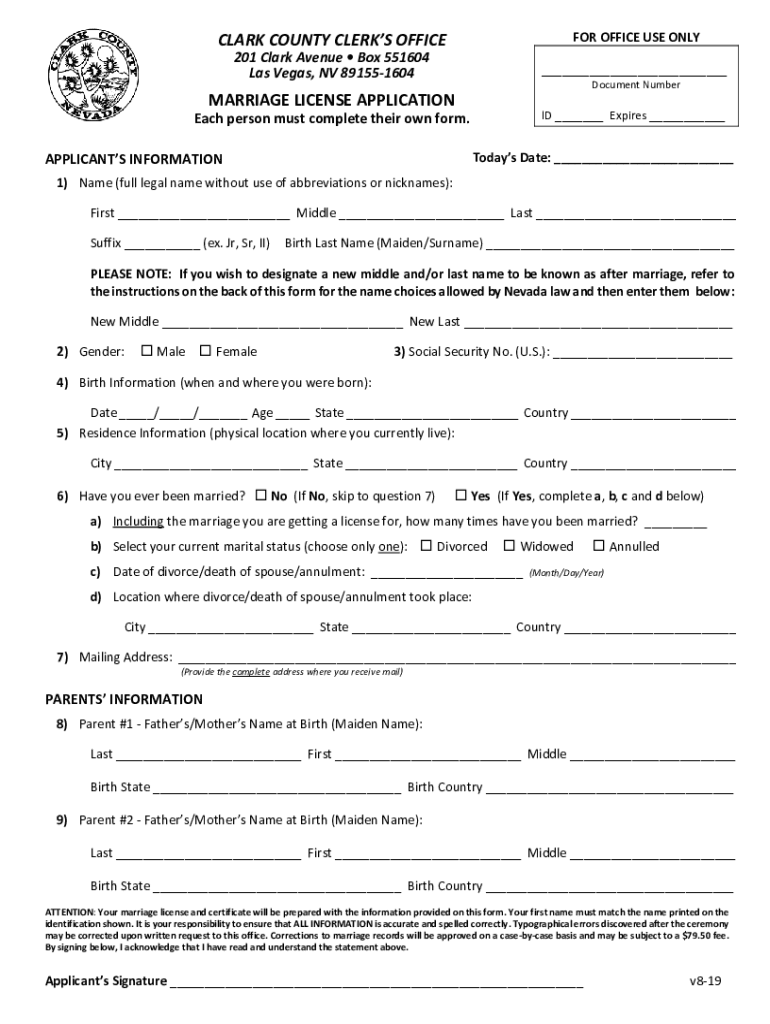







Definition and Role of the Office of the County Clerk
The Office of the County Clerk is a public administrative office responsible for maintaining official records and documents, such as marriage licenses, property deeds, and business registrations. This office ensures the accuracy and accessibility of important public records and provides various services to the community.
Key Responsibilities
- Record Maintenance: The office is tasked with the upkeep of vital records, including birth, death, and marriage certificates.
- Public Access: Facilitates public access to records and ensures transparency by allowing individuals to request copies of documents.
- Compliance and Regulations: Ensures that all records are maintained in accordance with state laws and regulations, providing legal validity.
How to Access Services from the Office of the County Clerk
To use the services of the Office of the County Clerk, individuals can either visit in person, utilize online services, or contact the office via phone. The method of access depends on the service required and the specific procedures of the county.
Online and In-Person Services
- Online Access: Many counties offer online services for requesting copies of records, renewing business licenses, or applying for permits. This enhances convenience and reduces wait times.
- In-Person Visits: Some services may require a physical visit to the county clerk's office, such as notarization or complex record requests.
Steps to Process Applications at the Office of the County Clerk
When submitting applications, such as for a marriage license or business permit, follow these steps to ensure a smooth process:
- Gather Required Documents: Collect all necessary identification and proof of eligibility beforehand.
- Complete the Application Form: Fill out the relevant form accurately. Forms are often available online for download.
- Submit the Form: Depending on the service, submit the form online, via mail, or in person.
- Verification and Payment: Provide any required documents for verification and pay the associated fees.
- Receive Confirmation: Once processed, you'll receive a confirmation or the requested documents, which may be mailed or available for pickup.
Required Documents for Processing
The documents required by the Office of the County Clerk vary depending on the service. Common documents include:
- Identification: Government-issued ID such as a driver's license or passport.
- Proof of Address: Utility bills or other official documents proving residency.
- Specific Supporting Documents: These may include birth certificates, court orders, or business registration documents.
Legal Use and Compliance
The Office of the County Clerk ensures that all documents and services comply with legal standards. This compliance establishes the legitimacy of records and supports legal processes.
Legal Documentation
- Marriage Licenses: Legally recognize marriages within the community.
- Property Deeds: Verify the ownership and transfer of property rights.
- Business Licenses: Ensure that businesses adhere to local regulations.
State-Specific Procedures and Differences
Each state in the U.S. may have distinct procedures for the services provided by the Office of the County Clerk. It's essential to check the specific requirements and procedures within your state to avoid discrepancies.
Examples of State Variability
- Marriage License Requirements: Some states may have different waiting periods or additional requirements, such as blood tests.
- Property Tax Procedures: Variations occur in how property taxes are assessed and recorded.
Digital vs. Paper Versions of Documents
The Office of the County Clerk often provides both digital and paper versions of documents. Knowing which to request depends on the intended use, such as legal proceedings or personal records.
Advantages of Each Format
- Digital Records: Easily accessible and convenient for quick viewing and sharing.
- Paper Records: Sometimes required for legal matters or personal filing needs.
Who Typically Utilizes the Office of the County Clerk
A diverse range of individuals and entities utilize the office’s services, from newlyweds to business owners and legal entities.
Common Users
- Individuals: Seeking marriage licenses, name changes, or birth records.
- Businesses: Registering names, renewing licenses, or paying fees.
- Legal Entities: Obtaining documentation for court cases or property disputes.
By understanding these aspects, individuals can effectively navigate the services offered by the Office of the County Clerk, ensuring compliance and the proper handling of legal and official matters.