
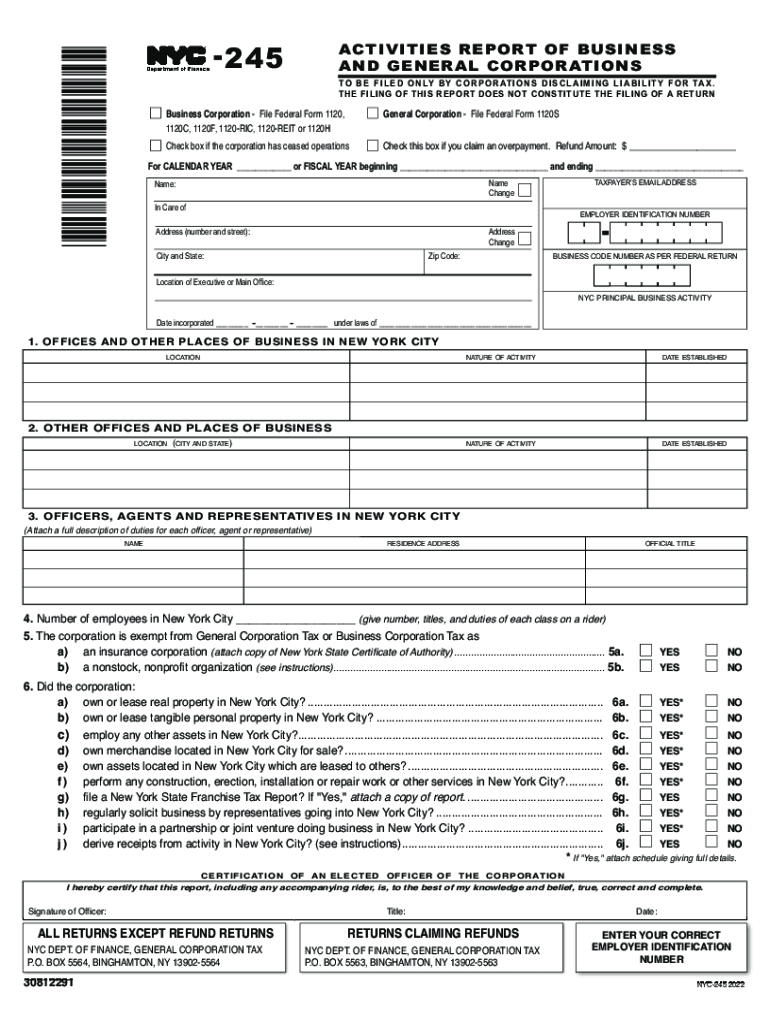







Definition and Meaning of the Report of the Committee on Business Responsibility Reporting
The Report of the Committee on Business Responsibility Reporting is a comprehensive document used by businesses to disclose their adherence to social, environmental, and corporate governance responsibilities. This report serves as a tool for transparency, detailing a company's sustainable business practices, commitment to ethical governance, and social impact initiatives. Key components often include policies on ethical business conduct, metrics on sustainability performance, and narratives about stakeholder engagement. By outline commitments and achievements in these areas, businesses can foster trust with stakeholders, including investors, regulators, and the general public.
How to Use the Report of the Committee on Business Responsibility Reporting
The report serves multiple purposes, including compliance, stakeholder communication, and performance benchmarking. Companies can use this report to:
- Ensure they meet legal and ethical standards by documenting adherence to applicable laws and regulations.
- Communicate efforts and successes in corporate responsibility to investors, customers, and the public.
- Benchmark performance over time or against industry standards to identify areas for improvement.
- Guide strategic planning by highlighting strengths and areas where efforts can be expanded.
Key Elements of the Report of the Committee on Business Responsibility Reporting
Certain core elements are integral to an effective report:
- Corporate Governance: This section outlines leadership structures, accountability mechanisms, and policies that guide ethical business practices.
- Environmental Responsibility: Companies detail their environmental policies, efforts to reduce carbon footprint, and initiatives to promote sustainability practices.
- Social Impact: A focus on community engagement programs, human rights policies, and measures to ensure diversity, equity, and inclusion.
- Stakeholder Engagement: How the company interacts with shareholders, employees, customers, and the broader community, including feedback mechanisms.
Steps to Complete the Report of the Committee on Business Responsibility Reporting
Completing a robust Report of the Committee on Business Responsibility Reporting involves several steps:
- Data Collection: Gather comprehensive data on corporate governance, environmental impact, and social initiatives.
- Stakeholder Consultation: Engage with internal and external stakeholders to align the report's content with expectations and material issues.
- Drafting and Review: Compile information into a draft report, ensuring clarity, coherence, and alignment with corporate values and objectives.
- Approval and Sign-off: Obtain necessary approvals from relevant committees or board members, ensuring the report reflects the company's official stance and data accuracy.
- Publication and Distribution: Distribute the final report through appropriate channels to reach all stakeholders effectively.
Legal Use of the Report of the Committee on Business Responsibility Reporting
This report often fulfills regulatory requirements at both federal and state levels when demonstrating adherence to applicable laws and environmental regulations. For companies operating in sectors with specific compliance requisites, like energy or manufacturing, the report becomes a crucial document for demonstrating legal conformity.
Examples of Using the Report of the Committee on Business Responsibility Reporting
- Investor Relations: Companies can include the report in investor relations initiatives to demonstrate responsible governance, potentially attracting socially conscious investors.
- Risk Management: By outlining areas of risk within the report, companies can better manage and mitigate potential environmental and social impacts.
- Corporate Benchmarking: Businesses can use the report to compare their performance against existing industry standards or competitors, improving their strategic positioning.
Form Submission Methods for the Report of the Committee on Business Responsibility Reporting
Businesses can typically submit this report through several methods:
- Digital Submission: Most businesses prefer online systems for ease of submission and tracking.
- Printed Copies: Some regulatory bodies may still accept or prefer submission through printed means, requiring hard copies.
- In-Person Registration: Though less common in the digital age, certain in-person methods might be necessary for businesses with more complex disclosures or additional documentation.
Penalties for Non-Compliance with the Report of the Committee on Business Responsibility Reporting
Failure to adequately complete and submit the report can result in significant consequences:
- Fines and Sanctions: Companies may face financial penalties or sanctions for failing to meet reporting requirements.
- Reputation Damage: Non-compliance can lead to public scrutiny, affecting customer loyalty and brand reputation.
- Operational Restrictions: If companies fail to disclose necessary information, they may face operational bans or restrictions imposed by regulatory bodies.
Business Types that Benefit Most from the Report of the Committee on Business Responsibility Reporting
Industries with a significant environmental or social impact stand to benefit prominently from such reports. These include:
- Manufacturing and Industrial: These sectors require stringent environmental compliance, making thorough reporting essential.
- Finance and Investment: Financial entities benefit from demonstrating responsible investor practices through transparent governance reporting.
- Technology and Communications: For technology firms, showcasing innovation in ethical practices can enhance competitive advantage and stakeholder trust.
Who Typically Uses the Report of the Committee on Business Responsibility Reporting
The primary users include:
- Corporate Executives: To ensure the strategic alignment of reporting with corporate goals.
- Compliance Officers: Ensuring that all necessary reporting is aligned with legal standards.
- Investors: To assess the corporate social responsibility performance of their investments.
- Regulators: To ensure that companies meet industry-specific reporting standards and compliance.


Digital vs. Paper Version of the Report of the Committee on Business Responsibility Reporting
Choosing between digital and paper versions of this report affects accessibility and efficiency:
- Digital Version: Offers easy dissemination, enhanced accessibility, and alignment with eco-friendly practices.
- Paper Version: Still valued for formal submissions, archival purposes, or where digital access is limited.




