City Income Tax Ordinance (PDF) 2026

Get Form
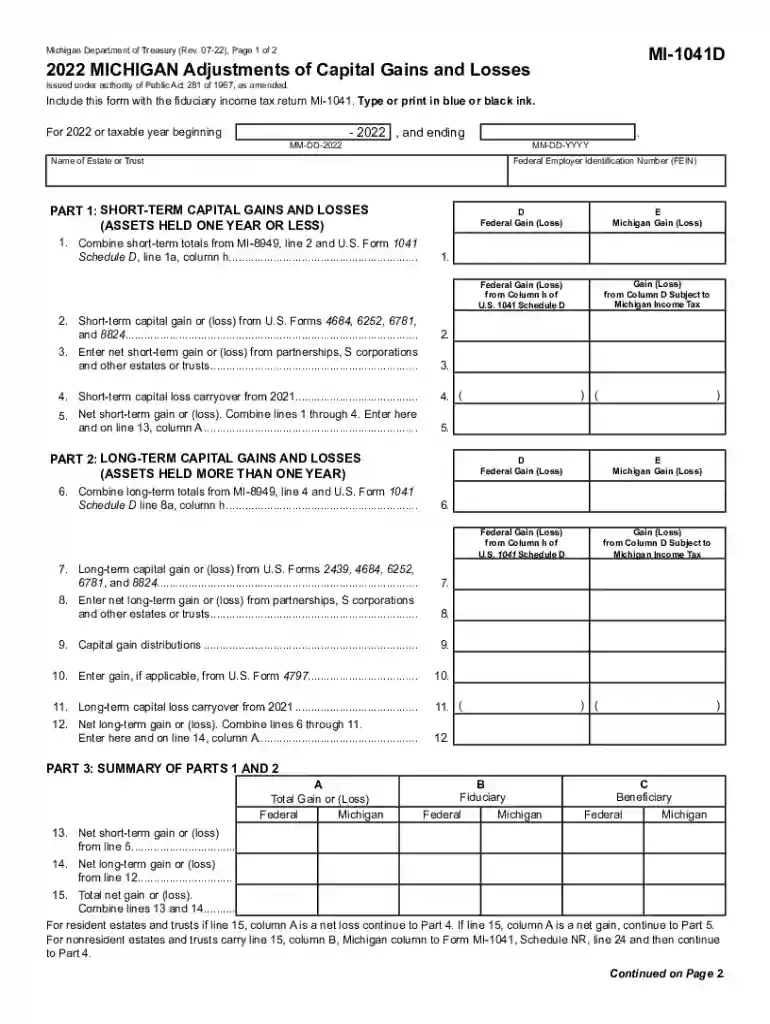
City Income Tax Ordinance (PDF) Preview on Page 1

Here's how it works

01. Edit your form online
Type text, add images, blackout confidential details, add comments, highlights and more.

02. Sign it in a few clicks
Draw your signature, type it, upload its image, or use your mobile device as a signature pad.

03. Share your form with others
Send it via email, link, or fax. You can also download it, export it or print it out.

Definition & Meaning of the City Income Tax Ordinance (PDF)

The City Income Tax Ordinance (PDF) is a critical document that outlines the rules governing income tax collection for city residents and businesses. This ordinance serves as a guideline for calculating, reporting, and remitting local income taxes. By comprehensively detailing what constitutes taxable income, allowable deductions, and applicable tax rates, it ensures transparency and compliance with local taxation laws.

Key Features of the Ordinance

  • Taxable Income Definition: Specifies various income sources subject to city taxes, including wages, salaries, and potential business earnings.
  • Deductions: Lists permissible deductions that taxpayers can claim to lower their taxable income.
  • Tax Rates: Details the applicable tax rates, ensuring residents understand their financial obligations.

Understanding these components aids taxpayers in comprehensively meeting their tax responsibilities to avoid penalties.

How to Use the City Income Tax Ordinance (PDF)

Utilizing the City Income Tax Ordinance effectively requires a strategic approach. This document should be reviewed prior to tax preparation to ensure complete and accurate reporting of income and deductions.

Steps to Utilize the Ordinance

  1. Review the Ordinance Thoroughly: Begin by reading the document to understand the specific requirements and guidelines.
  2. Identify Applicable Sections: Identify relevant sections concerning income types and deductions applicable to your situation.
  3. Calculate Expected Tax: Use the document's tax rate tables and guidelines to estimate tax liability.

These steps provide clarity and prevent common filing errors, ensuring adherence to local tax laws.

Steps to Complete the City Income Tax Ordinance (PDF)

Completing the City Income Tax Ordinance involves a structured process to ensure accuracy and compliance. The detailed steps outlined below assist taxpayers in navigating this complex process.

Detailed Completion Process

  1. Gather Necessary Documentation: Collect all income proofs like W-2s, 1099s, and receipts for potential deductions.
  2. Fill Out Personal Information First: Start by entering your personal details, including name, address, and Social Security number.
  3. Calculate Taxable Income: Use the ordinance to determine which incomes are taxable and make necessary calculations.
  4. Determine Applicable Deductions: Identify and apply any relevant deductions to reduce taxable income.
  5. Determine Tax Liability: Refer to the tax rate sections to compute total tax liability accurately.
  6. Double-Check for Accuracy: Review all entered information to prevent errors before finalizing the document.

These explicit steps help taxpayers submit an accurate ordinance, reducing potential penalties.

Legal Use of the City Income Tax Ordinance (PDF)

The legal implications of the City Income Tax Ordinance extend to compliance and enforcement. Proper adherence ensures taxpayers meet their fiscal responsibilities, reducing the risk of audits or legal actions.

Legal Considerations

  • Compliance: Adhering to all guidelines within the ordinance protects against legal repercussions and fines.
  • Documentation: Maintaining thorough records as described by the ordinance helps substantiate claims and deductions if audited.
  • Amendments: Being aware of any ordinance amendments ensures ongoing compliance with the most current laws.

Failure to comply can result in financial penalties and increased scrutiny by tax authorities.

Key Elements of the City Income Tax Ordinance (PDF)

Several key elements within the City Income Tax Ordinance demand attention during the preparation of local tax documents. These elements ensure efficient and lawful tax completion.

Fundamental Elements

  • Exclusions: Lists which income types are expressly omitted from taxation under this ordinance.
  • Filing Status Options: Clarifies the different filing statuses (e.g., single, joint, head of household) and their implications.
  • Filing Instructions: Describes the protocol for submitting the ordinance, including accepted submission formats.

Understanding these core components facilitates comprehensive tax filing in accordance with city mandates.

State-Specific Rules for the City Income Tax Ordinance (PDF)

City Income Tax Ordinances often incorporate state-specific nuances that affect taxpayer obligations. Familiarity with these differences supports compliance across jurisdictions.

Examples of State Influence

  • Varying Tax Rates: States have specific mandates affecting local tax rates, which are outlined within the ordinance.
  • Deduction Variability: Unique state-specific deductions must be considered for accurate tax reporting.
  • Form Submission Requirements: Differences in state submission rules may require varied submission methods (e.g., electronically or via mail).

Exploring state-specific nuances ensures precise and effective tax compliance.

Filing Deadlines / Important Dates

Adhering to critical filing deadlines is essential to the successful management of local tax obligations. The City Income Tax Ordinance contains specifics on when submissions are required.

Key Dates to Remember

  • Annual Filing Deadline: Clearly stated, typically aligning with federal tax deadlines, but subject to local deviations.
  • Extension Deadlines: Information on available extensions and corresponding rules for applying if necessary.
  • Payment Due Dates: Outlines when any outstanding tax payments must be settled to avoid late fees and interest.

Marking these key dates guarantees timely compliance and avoidance of potential late penalties.

Penalties for Non-Compliance

Non-compliance with the City Income Tax Ordinance can lead to substantial financial repercussions. Understanding potential penalties underscores the importance of adherence.

Specific Penalties

  • Late Filing Fees: Fees incurred when failing to submit the ordinance on time.
  • Underpayment Penalties: Charges for underreporting or underpaying the owed taxes.
  • Interest Accrual: Continued accumulation of interest on overdue tax amounts.

Awareness of these penalties encourages timely and accurate submission of all required documentation.

See more City Income Tax Ordinance (PDF) versions

We've got more versions of the City Income Tax Ordinance (PDF) form. Select the right City Income Tax Ordinance (PDF) version from the list and start editing it straight away!
Versions Form popularity Fillable & printable
2023 4.5 Satisfied (34 Votes)
2022 4.4 Satisfied (38 Votes)
2021 4.9 Satisfied (43 Votes)
2020 4.3 Satisfied (35 Votes)
2019 4.3 Satisfied (180 Votes)
2018 4.3 Satisfied (140 Votes)
2017 4.4 Satisfied (57 Votes)
be ready to get more

Complete this form in 5 minutes or less

Get form

Got questions?

We have answers to the most popular questions from our customers. If you can't find an answer to your question, please contact us.
Contact us
You should file a city income tax return if you owe tax, are due a refund, or your AGI (resident return) or wages (part-year or nonresident return) exceeds your exemption allowance.
New York City residents must pay a personal income tax, which is administered and collected by the New York State Department of Taxation and Finance. Most New York City employees living outside of the five boroughs (hired on or after January 4, 1973) must file form NYC-1127.
The City Income Tax Act (CITA) allows Michigan cities to adopt a unform income tax ordinance to be administered by the local unit that adopted it. To maintain uniformity in the application of the tax, the CITA, as originally enacted, also provided for appeals to the Michigan Department of Treasury (Department).
Anyone earning income in Arkansas may need to file a state income tax return. Filing requirements depend on your gross income, filing status, and residency status. Gross income includes all earnings before deductions, such as wages, tips, rental income, and other sources. These thresholds apply to full-year residents.
If you have taxable income in a tax year, you need to file a City of Grand Rapids tax return if youre one of the following: A resident of the City of Grand Rapids. A part year residents of Grand Rapids. A nonresident who has taxable income from working within the City limits must file a return.

Security and compliance

At DocHub, your data security is our priority. We follow HIPAA, SOC2, GDPR, and other standards, so you can work on your documents with confidence.

Learn more
ccpa2
pci-dss
gdpr-compliance
hipaa
soc-compliance
be ready to get more

Complete this form in 5 minutes or less

Get form

People also ask

1. WHO SHOULD FILE THIS RETURN: a) All Ohio City residents 18 years of age and over, (except high school students) are required to regis- ter and report income with the Ohio City Tax Office. b) High School Students 18 years of age and under, working part time, do not have to register with the Ohio City Tax Office.

Related links