Definition & Meaning
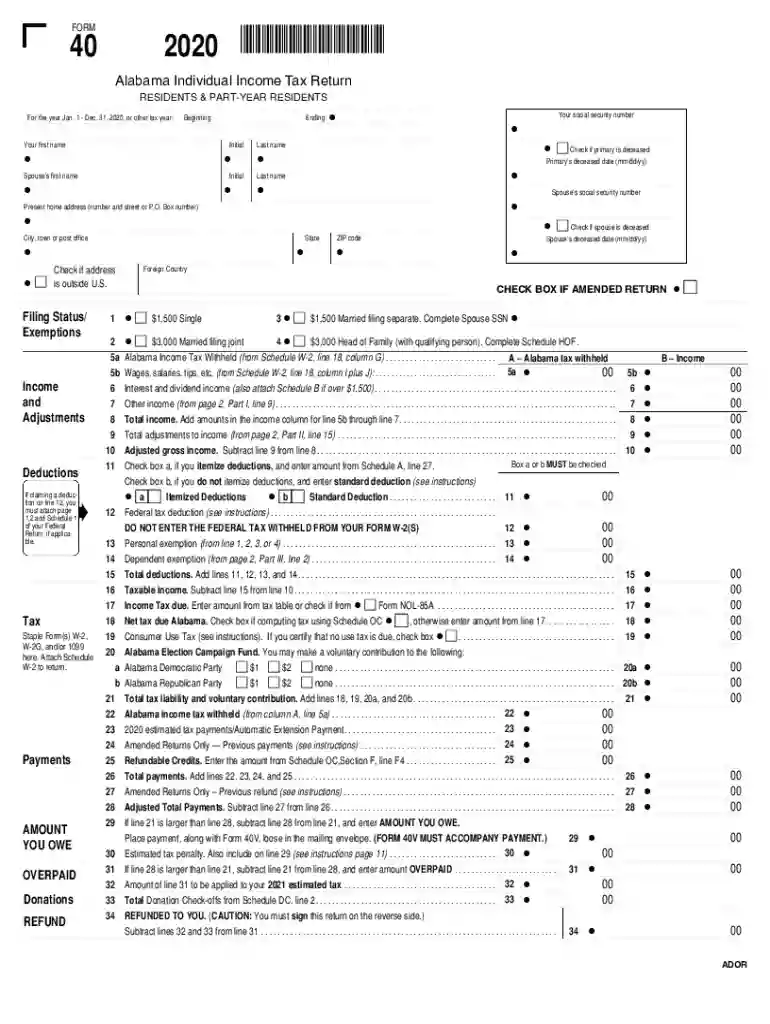
The "6 Check if primary is deceased" form is utilized for verifying the deceased status of a primary individual in various contexts, such as financial accounts, insurance policies, or other contractual agreements. This verification process is critical for confirming the legal and administrative requirements following a death, ensuring that responsibilities and assets are appropriately managed.
Purpose of the Form
- Verifies the deceased status to prevent unauthorized account access or fraudulent activities.
- Facilitates the transfer of responsibilities to beneficiaries or executors.
- Essential for legal and official acknowledgments of a primary individual's death.
Contextual Use
- Often used in financial services, including banking and insurance.
- Relevant in legal scenarios where estate or inheritance needs resolution.
- Integral in governmental paperwork processing involving social security or pensions.
How to Use the 6 Check if Primary is Deceased
Step-by-Step Usage Guide
- Gather Necessary Information: Obtain details such as the deceased's full name, date of birth, and social security number.
- Identify the Appropriate Authority: Determine which agency or institution requires the form. This could be a financial institution, government body, or insurance company.
- Complete the Form Accurately: Fill out all required fields with precise information to avoid delays.
- Include Necessary Documentation: Attach supplementary documents like the death certificate as evidence of the individual's deceased status.
- Submit the Form: Send the completed form to the designated authority using their preferred submission method, ensuring compliance with their requirements.
Common Scenarios
- Financial Accounts: A bank may require the form to close accounts or allow access to funds.
- Insurance Claims: Insurance companies necessitate confirmation for processing benefits to beneficiaries.
- Social Services: Adjust benefits or entitlements in governmental systems.
How to Obtain the 6 Check if Primary is Deceased
Methods for Acquiring the Form
- Online: Many institutions provide downloadable versions from their websites for ease of access.
- In-Person: Visit a branch or office of the relevant authority to get a physical copy.
- Mail: Request a copy to be mailed if the institution offers this service.
Essential Considerations
- Check for Requirements: Verify if the institution mandates additional documentation with your form request.
- Contact Customer Service: Reach out for guidance on the best way to obtain and fill out the form properly.
Steps to Complete the 6 Check if Primary is Deceased
- Review Instructions: Carefully read any instructions provided with the form to understand the requirements.
- Fill Personal Details: Input personal details accurately for both the deceased and the requester.
- Provide Death Confirmation: Enter data from the death certificate or any official documents.
- Sign and Date the Form: Ensure the signature matches legal records required to verify authenticity.
- Double-Check Information: Verify all entries for errors to prevent processing delays.
Important Tips
- Use Black Ink: Use black ink for clarity, if filling manually.
- Follow Field Instructions: Ensure all mandatory fields are completed as per instructions.
Why Should You 6 Check if Primary is Deceased
Importance of Verification
- Legal Compliance: Adhering to regulations and ensuring proper legal documentation.
- Prevent Fraud: Safeguard against potential identity theft and unauthorized actions.
- Smooth Transition: Helps in the efficient handling of estate, assets, and other legal matters.
Impact on Financial Management
- Avoid conflicts in account handling and ensure accurate distribution of assets.
- Essential for creditors or debt settlements associated with the deceased.
Potential Users
- Family Members: Immediate family members seeking to manage the deceased's affairs.
- Executors/Administrators: Individuals legally appointed to handle the deceased person's estate.
- Financial Institutions: Banks and other financial organizations requiring confirmation for account management.
Institutional Users
- Insurance Companies: Validate claims after the death of a policyholder.
- Government Agencies: Adjust records within social services departments.
Key Elements of the 6 Check if Primary is Deceased
Essential Components
- Personal Identification Section: Information specific to the deceased individual.
- Verification Section: Area designated for official death confirmation.
- Submission Details: Instructions on where and how the form should be submitted.
Supporting Documents
- Death Certificate: Primary supporting document required for confirmation.
- Proof of Relationship: Occasionally required to establish connection to the deceased.
Legal Use of the 6 Check if Primary is Deceased
Compliance and Legal Implications
- Conforms to Legal Standards: Ensures adherence to state and federal regulations regarding the handling of deceased persons' data.
- Facilitates Legal Procedures: Streamlines the transition of assets and closure of accounts in compliance with legal requirements.
Privacy Concerns
- Data Protection: Ensure data is handled confidentially and responsibly throughout the process.
State-Specific Rules for the 6 Check if Primary is Deceased
Variation Across States
- Laws governing the verification of death status can vary by state, affecting how these forms are processed or what additional elements are required.
- Consulting state-specific guidelines or legal counsel might be necessary to ensure compliance with local regulations.
State Differences
- Specific states may require additional identification measures or unique documentation beyond a standard death certificate.
In summary, thoroughly understanding the "6 Check if Primary is Deceased" form and its detailed procedural aspects is critical for anyone dealing with the administrative aftermath of a death. This ensures effective legal compliance and smooth handling of the deceased person's affairs.