




01. Edit your turbotax 2021 deluxe online
Type text, add images, blackout confidential details, add comments, highlights and more.

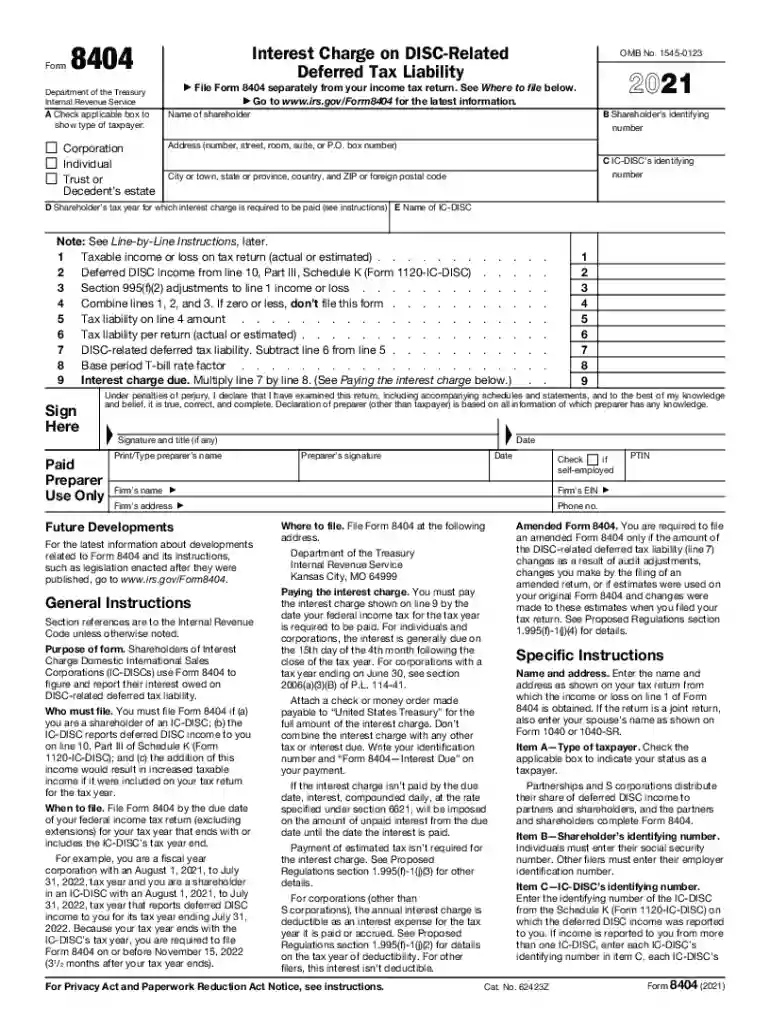
Type text, add images, blackout confidential details, add comments, highlights and more.

Draw your signature, type it, upload its image, or use your mobile device as a signature pad.

Send turbotax deluxe 2021 via email, link, or fax. You can also download it, export it or print it out.
A tax calculator is an essential tool designed to facilitate the accurate computation of various taxes, primarily focusing on income tax in the United States. This tool enables taxpayers to estimate their tax liabilities based on their income, deductions, and credits. The tax calculator can streamline the process by automatically applying the latest tax rates and guidelines, ensuring users have access to real-time data. Whether you're a salaried employee, self-employed, or a retiree, understanding the tax implications and required payments becomes more straightforward with a tax calculator. Its primary function is to provide a clear and concise estimate of taxes owed, helping individuals and businesses plan their finances effectively.
To use a tax calculator efficiently, follow these steps:
Gather Information: Before starting, collect all relevant financial documents, such as W-2s, 1099s, and any records of deductions.
Enter Income: Input your total earnings from all sources. Most calculators allow separate entries for different income types, such as salary, investments, or rental income.
Deduct Appropriate Expenses: Input deductible expenses, which may include mortgage interest, charitable donations, and medical expenses. Accurate entries here can significantly affect the outcome.
Apply Credits: Indicate any tax credits you're eligible for, such as education credits or renewable energy credits, as these reduce your overall tax liability.
Review and Calculate: Double-check your inputs for accuracy. Once verified, the calculator will process this data to provide an estimated tax liability or refund.
Using these tools efficiently can help identify potential savings and ensure compliance with tax laws.
Understanding certain terms related to tax calculators can enhance your ability to utilize them effectively:
These terms enable users to maneuver tax calculators with greater ease, enhancing the outcomes of their estimations.
While each tax calculator may have unique features, they generally follow similar steps:
Initial Setup: Select parameters such as the tax year and filing status.
Income Input: Include all forms of income, ensuring every earning source is accounted for.
Deductions Entry: Fill in potential deductions and see their impact on your taxable income.
Credits and Adjustments: Indicate eligibility for any credits or special tax adjustments.
Submit and Review: Let the calculator do the work and review the results intelligently, ensuring all data was entered correctly.
Analyze Results: Evaluate the estimated refund or tax due and adjust your financial plan accordingly.
Completion of these steps can substantially improve the accuracy and usefulness of the tax calculator for personal or business purposes.
Consider these scenarios where a tax calculator can be invaluable:
These examples illustrate the versatility and benefits of using a tax calculator in varied financial landscapes.
Tax calculations can differ significantly based on state regulations. Some states have no income tax, while others apply a flat or progressive tax rate:
Each state's unique regulations require tailored inputs in tax calculators for precise estimates.
Modern tax calculators offer compatibility with popular tax software such as:
Compatibility with these platforms ensures users can seamlessly incorporate tax calculations into their financial management routine, resulting in time savings and increased accuracy.
A wide range of users can benefit from using a tax calculator:
Understanding the varied applications across different user groups showcases the tax calculator's versatility and value as a financial planning tool.


We've got more versions of the turbotax 2021 deluxe form. Select the right turbotax 2021 deluxe version from the list and start editing it straight away!
| Versions | Form popularity | Fillable & printable |
|---|---|---|
| 2025 | 4.8 Satisfied (40 Votes) | |
| 2024 | 4.5 Satisfied (43 Votes) | |
| 2023 | 4.4 Satisfied (48 Votes) | |
| 2022 | 4.2 Satisfied (59 Votes) | |
| 2021 | 4.8 Satisfied (80 Votes) | |
| 2020 | 4.4 Satisfied (36 Votes) | |
| 2019 | 4.4 Satisfied (113 Votes) | |
| 2018 | 4.3 Satisfied (161 Votes) | |
| 2017 | 4.4 Satisfied (83 Votes) | |
| 2016 | 4.4 Satisfied (515 Votes) | |
| 2015 | 4.1 Satisfied (61 Votes) | |
| 2014 | 4 Satisfied (45 Votes) | |
| 2013 | 4.2 Satisfied (67 Votes) | |
| 2012 | 4 Satisfied (39 Votes) | |
| 2010 | 4.4 Satisfied (37 Votes) |
With DocHub, you can rapidly sign your tax calculator or any other paperwork on iOS, even without setting up extra programs. You can access your DocHub account from any web-connected browser and fill out and sign your form in any preferred method with just a couple of clicks.
With DocHub, there are several convenient ways to edit your tax calculator online. You can drag and drop the form and modify it directly at the DocHub site or use our browser extension to fill out your form right away. On top of that, you can modify your PDF on your phone, as DocHub is compatible with all the available mobile platforms.
At DocHub, your data security is our priority. We follow HIPAA, SOC2, GDPR, and other standards, so you can work on your documents with confidence.
Car tax calculator - Calculate the tax amount for your car with just a few entries. Calculate now the car tax for your car.
Tax Withholding Estimator Who can I claim as a dependent? How do I know if Im someones dependent? Which filing status should I use? How do I know ifRead more


