




Definition and Purpose of the TREC Texas Real Estate Commission
The Texas Real Estate Commission (TREC) is a state agency that oversees and enforces regulations within the real estate industry in Texas. TREC's primary objective is to protect consumers by ensuring that real estate professionals adhere to fair practices, ethical standards, and legal requirements. The agency covers various areas, including the licensing of real estate agents and brokers, the regulation of real estate inspections, and the enforcement of standards for real estate schools.
Authority and Responsibilities
-
Licensing: TREC issues licenses for real estate professionals, home inspectors, and appraisal professionals in Texas. It ensures that these individuals have met the necessary qualifications and adhere to the industry's rules and regulations.
-
Regulation and Compliance: TREC sets and enforces rules that govern the actions of real estate professionals, ensuring they operate within the legal framework. This includes monitoring compliance with transaction-related laws and maintaining high ethical standards.
-
Consumer Protection: As part of its mandate, TREC provides a mechanism for consumers to file complaints against licensed professionals, ensuring issues are investigated and resolved effectively.
How to Use the TREC Forms
TREC forms facilitate real estate transactions by standardizing necessary documentation, such as contracts, disclosures, and leases. Understanding and accurately completing these forms is crucial for both real estate professionals and their clients.
Key Usage Guidelines
-
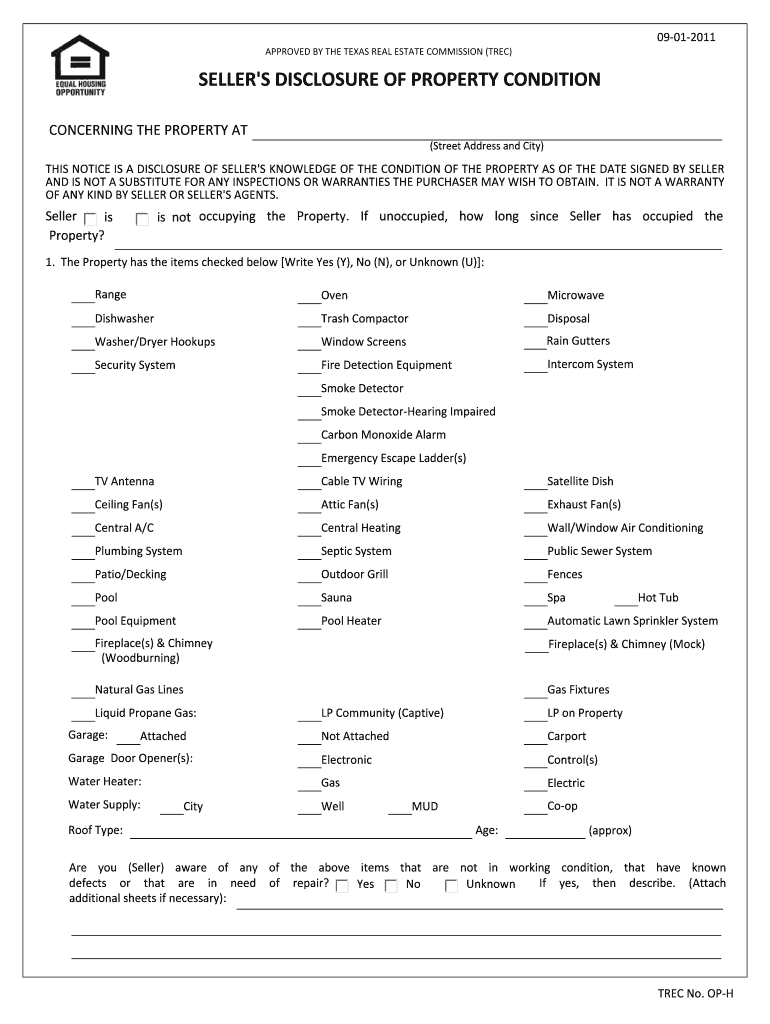
Ensure Accuracy: When filling out TREC forms like the Seller’s Disclosure Notice, accuracy is paramount. These forms often involve disclosing material facts about property conditions or transactions, which can affect the sale's legality.
-
Seek Professional Advice: While the forms are designed to be user-friendly, consulting with a real estate attorney or agent can help clarify complex sections, ensuring all legal obligations are met.
Steps to Complete a TREC Form
Completing a TREC form requires attention to detail to avoid errors that could impede a transaction. Here are the general steps:
-
Read the Instructions: Carefully review any instructions provided with the form to understand the requirements and ensure you address all necessary sections.
-
Gather Information: Compile all relevant information and documents needed to complete the form. For a Seller’s Disclosure Notice, this includes property condition reports and any known defects.
-
Fill Out the Form: Use the provided spaces to clearly and accurately input required data. Ensure that all sections are completed, using "N/A" where applicable.
-
Review and Sign: Double-check the completed form for any errors or omissions before signing. This confirmation process helps prevent issues during the transaction.
-
Submit the Form: Depending on the transaction type, submit the form to the appropriate party (e.g., buyer, agent, or TREC itself). Always retain a copy for your records.
Importance of the TREC Forms
TREC forms serve a critical role in ensuring transparent and legally secure real estate transactions. They provide a standardized method for documenting agreements and disclosures, which helps safeguard all parties involved.
Benefits of Using TREC Forms
-
Legal Protection: Properly completed TREC forms offer legal protection by clearly outlining terms and parties' obligations, reducing the potential for disputes.
-
Consumer Trust: Ensuring consistent use of TREC forms enhances trust in the transaction process by demonstrating compliance with state regulations.
Who Typically Uses TREC Forms
TREC forms are primarily used by real estate agents and brokers, but they are equally important for buyers, sellers, and attorneys involved in real estate transactions in Texas.
Diverse Applications
-
Real Estate Professionals: Agents and brokers use these forms to facilitate smooth and compliant transactions.
-
Buyers and Sellers: These parties rely on TREC forms to ensure that all disclosures and contractual terms are transparently and legally documented.
-
Attorneys: Legal professionals may review TREC forms to provide advice or represent client interests during disputes.
Key Elements of the Seller's Disclosure Notice
The Seller's Disclosure Notice, required by TREC, is a vital document that details the seller's knowledge about the property's condition.
Core Components
-
Property Condition: The form requires the disclosure of any known defects or issues, such as structural concerns or water damage.
-
Safety Compliance: Sellers must indicate compliance with relevant safety regulations, like the presence of smoke detectors.
-
Checklist: A comprehensive checklist guides sellers in identifying various property items and systems to ensure thorough disclosure.
State-Specific Rules for TREC Forms
Texas has distinct rules regulating how TREC forms should be completed and utilized, reflecting the unique legal environment of the state.
Notable State Regulations
-
Mandatory Use: Certain TREC forms, such as the Seller's Disclosure Notice, are legally required in Texas transactions to ensure full disclosure and protection of buyer rights.
-
Timely Submission: TREC mandates specific timelines for submitting forms, ensuring all parties have adequate time to review and respond accordingly.
Legal Use of TREC Forms
Using TREC forms properly is essential for meeting legal requirements in real estate transactions. These forms ensure all parties are informed and protected under Texas law.
Compliance and Enforcement
-
Legally Binding Agreements: A correctly executed TREC form serves as a binding contract, enforceable by law, which underscores the importance of accuracy and completeness.
-
Dispute Resolution: In any disputes related to a transaction, TREC forms serve as primary documents reviewed by legal entities to resolve issues in line with Texas regulations.