




Here's how it works

01. Edit your tennessee parenting plan pdf online
Type text, add images, blackout confidential details, add comments, highlights and more.

02. Sign it in a few clicks
Draw your signature, type it, upload its image, or use your mobile device as a signature pad.

03. Share your form with others
Send permanent parenting plan order via email, link, or fax. You can also download it, export it or print it out.
How to use or fill out tn parenting plan with our platform

- Click ‘Get Form’ to open the tn parenting plan in the editor.
- Begin by filling in the court details, including the county and file number. Ensure that both parents' names are clearly stated under 'Plaintiff' and 'Defendant'.
- In the 'Residential Parenting Schedule', specify the primary residential parent and detail how many days each parent will spend with the child.
- Complete the 'Day-to-Day Schedule' section by indicating specific times when each parent is responsible for care, including any special arrangements for holidays.
- Fill out sections regarding decision-making responsibilities, financial support, and health insurance provisions as applicable.
- Review all entries for accuracy and completeness before saving your document. Utilize our platform's features to sign and share your completed form easily.
Start using our platform today to streamline your tn parenting plan process for free!
Fill out tn parenting plan online
It's free
It's free
See more tn parenting plan versions
We've got more versions of the tn parenting plan form. Select the right tn parenting plan version from the list and start editing it straight away!
Got questions?
We have answers to the most popular questions from our customers. If you can't find an answer to your question, please contact us.
Contact us
What is the biggest mistake in custody battle?
The biggest mistake in a custody battle is losing focus on the childs best interests by letting anger, revenge, or adult conflict drive decisions, which courts view very negatively, damaging your credibility and case by showing an inability to co-parent. Other major errors include misusing children as weapons, badmouthing the other parent, failing to follow court orders, engaging in inappropriate communication (especially online), and creating instability for the child. Key Mistakes to Avoid: Prioritizing Conflict Over the Child: Letting your own hurt feelings or desire to win overshadow whats truly best for the child. Using Kids as Pawns: Involving children in adult disputes, making them choose sides, or asking them to provide emotional support (parentification). Badmouthing the Other Parent: Trash-talking your ex in front of the child or in court signals to the judge an inability to cooperate. Poor Communication: Inappropriate texts, emails, or social media posts can be used as evidence against you; always be friendly, factual, and firm. Being Inflexible: Refusing to communicate or collaborate on decisions about the childs health, education, or activities. Ignoring Court Orders: Failing to pay support or follow existing orders shows disrespect for the legal process and the childs stability. Creating Instability: Unnecessarily disrupting the childs routines, school, or support network. Disengaging as a Parent: Showing a lack of commitment to the childs daily life, school, or medical care. What Courts Look For: Cooperation: The ability to work with the other parent for the childs benefit. Stability: A consistent and secure environment for the child. Support for Both Parents: Willingness to encourage the childs relationship with the other parent (unless safety is a concern). Emotional Maturity: Taking the high road and avoiding emotionally driven decisions. AI can make mistakes, so double-check responsesWhat Is the Biggest Mistake in Custody Battle? - Inman TourgeeJan 1, 2026 The biggest mistake in a custody battle is losing sight of your childs best interests. When parents let anger or hurt Inman Tourgee Attorneys At LawWhat Is the Biggest Mistake in a Custody BattleFeb 2, 2026 its a huge mistake. And when the court gets wind that youre doing that thats the moment you start to lose your caseYouTube ChooseGoldman - Goldman Associates Law Firm
How hard is it to get 50/50 custody in Tennessee?
Custody arrangements in Tennessee are most frequently the product of two parents coming together and negotiating terms such as primary residence, educational necessities, and medical care. In many cases, parents successfully negotiate a 50/50 custody-sharing parenting plan.
Do you have to pay child support if you have 50/50 custody in Tennessee?
The short answer is yesyou may have to pay child support in Tennessee even if you have 50/50 custody of your children. Tennessee child support is required by law under Tennessee Code Annotated 36-5-101.
Is TN a mother or father state?
Like many other states, Tennessee is a mother state, which means typically, child custody cases lean towards favoring the mother. When a court is deciding where to place a child, they must choose based on the best interests of the child following the Tennessee statute 36-6-106.Jul 25, 2024
Is TN a 50/50 state for child custody?
Tennessee doesnt have a 50/50 shared custody presumption. This means that some critics believe the state tends to lean in favor of the mother when it comes to custody orders. But if both parents are equally competent and capable, courts should grant equal custody to both parents.
Security and compliance
At DocHub, your data security is our priority. We follow HIPAA, SOC2, GDPR, and other standards, so you can work on your documents with confidence.
Learn more


Related forms
Issue dateThe California Department of Motor Vehicles
The document is an application form for obtaining a Nursing Assistant license in Rhode Island, detailing the requirement ...
APPLICATION FOR DUPLICATE PRACTITIONERS LICENSE
The document is an application form for requesting a duplicate practitioner's license for various body art professions, ...
LIC 447-54T - California Department of Insurance - State of ...
The document is an Action Notice of Termination from the California Department of Insurance, notifying the Insurance Com ...
Making Health Care Decisions in North Dakota
The North Dakota Health Care Directive is a legal document that allows individuals to appoint a health care agent to mak ...
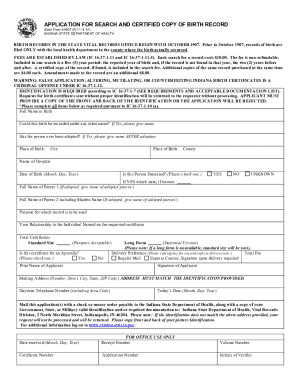
APPLICATION FOR SEARCH AND CERTIFIED COPY OF BIRTH RECORD ...
The document is an application form for obtaining a search and certified copy of a birth record from the Indiana State D ...

Template businessformsFREE 10+ Graphic Design Request Form Templates in PDFMS
The document is a Graphic Designer's Estimate & Confirmation Form that outlines the terms and conditions for a design as ...
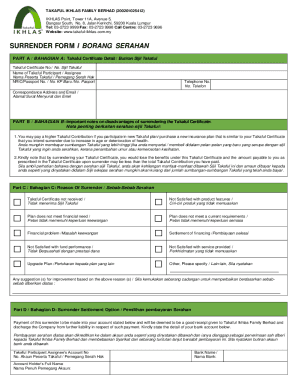
Borang pembatalan takaful ikhlas
The document is a surrender form for Takaful Ikhlas Family Berhad, detailing the process and implications of surrenderin ...
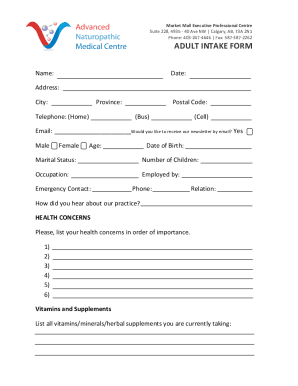
Fillable Online United Soccer LeagueHome - Canada SoccerUnited Soccer ...
The document is an Adult Intake Form for a Naturopathic practice located in Calgary, Alberta. It collects personal infor ...
People also ask
What is the new custody law in Tennessee?
Tennessees new child custody law, effective July 1, 2024, establishes a legal presumption that joint legal custody and equally shared parenting time (50/50) are in a childs best interest, shifting from older models where one parent was the Primary Residential Parent (PRP). While courts must explain deviations, judges can override this presumption due to factors like domestic violence, abuse, or a parents inability to co-parent, still prioritizing the childs best interests and potentially assigning a PRP if needed. Key Changes Features Presumption of Equality: The law presumes that a 50/50 split of parenting time and joint decision-making is best, encouraging parental involvement. Judicial Discretion Remains: Judges can still award sole custody or unequal time if its proven not to be in the childs best interest, especially in cases of abuse or unfit parenting. Mandatory Explanations: If a court deviates from the 50/50 presumption, it must provide written reasons for the decision. Focus on Shared Decisions: The law emphasizes both parents roles in major decisions (education, healthcare, religion). Exception for Protection Orders: The presumption doesnt apply if a court issues an order of protection involving the children. Impact on Families Increased Co-Parenting: Encourages cooperation and mutual respect for shared parenting. Consideration of Childs Needs: Judges still weigh individual factors, including the childs mental health, each parents relationship with the child, and the childs preference (if 12 or older). Best Interest Standard: The ultimate goal remains the childs best interest, even with the new presumption. AI can make mistakes, so double-check responsesChild Custody and Support - Tennessee General AssemblyChild Custody and Support - As introduced, establishes a presumption, rebuttable by a preponderance of the evidence, that joint leTN.govTennessee Child Custody Requirements: Laws, Rights, TipsFeb 20, 2025 Frequently Asked Questions. What Are the New Child Custody Laws in Tennessee. Tennessee recently enacted new child cusCordell Cordell
Who is most likely to win custody of a child?
No single parent is automatically more likely to get custody; courts decide based on the best interests of the child, focusing on stability, the primary caregivers role (which historically favored mothers but is changing), a parents fitness (no abuse/substance issues), and sometimes the older childs preference, aiming for a healthy, stable environment over gender. While mothers have historically received custody more often, current law mandates equal consideration, though traditional roles and implicit biases can still influence outcomes, making the parent offering the most stability the likely winner. Key factors courts consider: Primary Caregiver: Who handled daily tasks (feeding, school, appointments)? Childs Stability: Who provides a more stable home, consistent schooling, and a healthy environment? Parental Fitness: Absence of domestic violence, substance abuse, or a history with child protective services. Childs Preference: Considered for older, mature children (often 12+), but not the sole factor. Parental Conduct: Courts view negatively parents who disparage the other parent (parental alienation). Shifting trends: Equal Rights: Modern law emphasizes that both parents have equal rights to custody, moving away from automatic maternal preference. Evolving Roles: With more balanced parenting, the traditional assumption of maternal advantage is diminishing. Who wins? The parent who best demonstrates they can provide the most stable, nurturing, and safe environment for the child, based on these factors, is more likely to gain custody, regardless of gender. AI can make mistakes, so double-check responsesWhich Gender Is More Likely to Win Child Custody?Apr 9, 2025 When couples separate, one of the most sensitive and pressing issues that arises is the question of child custody. The Mullett Dove Bradley Family LawChild Custody and Support - American Bar AssociationSep 9, 2019 Are mothers or fathers more likely to be awarded custody? Until the mid-1800s, fathers were favored for custody in the American Bar Association
What is the parenting plan law in Tennessee?
Tennessees parenting plan law requires both parents work together to meet their childrens needs. The law outlines how parents will co-parent to raise their children after separation. It also provides decision-making rules for the children.Feb 20, 2025


