Definition and Meaning of an Affidavit of Parentage
An Affidavit of Parentage is a legal document used in the United States to establish the paternity of a child. This affidavit is typically signed by both parents to officially recognize the father's legal rights and responsibilities. In most jurisdictions, signing this document allows the father's name to be added to the child's birth certificate, primarily when the parents are not married. The Affidavit of Parentage is a vital document for legal proceedings related to child custody, support, and inheritance rights.
This form not only provides legal recognition of paternity but also facilitates the father’s involvement in the child's life, from having decision-making abilities to claiming benefits like health insurance. It binds the father to financial responsibilities such as child support, contributing to the child's overall welfare. Understanding its implications fully is crucial for both parents, as it carries lifelong consequences for the acknowledgment of paternity.
Key Elements of the Affidavit of Parentage
The Affidavit of Parentage includes several critical elements that ensure its legality and enforceability.
- Identification Details: Both parents need to provide their full legal names, dates of birth, and contact information. The child’s details, including their date of birth and birthplace, must also be included.
- Acknowledgment of Paternity: A statement where the alleged father acknowledges his paternity must be clearly presented.
- Consent and Voluntariness: Both parents must declare that their consent is given under no duress, acknowledging their understanding of the rights and responsibilities that accompany the affidavit.
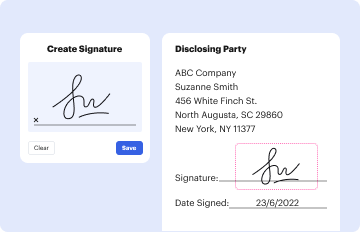
- Signatures and Notarization: The form requires the signatures of both parents in the presence of a notary public to verify authenticity. This notary seal is essential to make the affidavit legally binding.
- Witness Information: Some states might also require signatures from one or two witnesses who are not related to either parent.
These elements not only ensure the document's authenticity but also protect the rights of all parties involved, particularly the child.
Steps to Complete an Affidavit of Parentage
Completing an Affidavit of Parentage involves several critical steps to ensure it is properly filled and legally binding.
- Obtain the Form: Acquire the Affidavit of Parentage form from a relevant state department, often available from the health department or family services office.
- Fill Out Parent Information: Enter accurate details for both the mother and the father, ensuring names, addresses, and dates of birth are correctly documented.
- Record Child’s Details: Include the child’s full legal name, date of birth, and the hospital or institution where they were born.
- Acknowledge Responsibilities: Both parents must read and understand the legal responsibilities outlined in the form before proceeding.
- Signatures and Notarization: Arrange for a notary public to witness both parents signing the document. Ensure the notary public includes their seal.
- Submit the Form: Submit the completed and signed form to the necessary state department to have it officially recorded and the father's name amended on the birth certificate.
These steps, when followed accurately, result in a legally recognized document that can be used in various legal settings.
Legal Use of the Affidavit of Parentage
The Affidavit of Parentage serves several legal purposes once properly executed and filed.
Establishment of Paternal Rights
- Allows the father to be listed on the birth certificate.
- Affords the father rights concerning healthcare, education, and religion of the child.
- Provides legal grounds for custody or visitation agreements.
Financial and Support Obligations
- Legally binds the father to provide financial support for the child.
- May be required for the father to obtain health insurance or social security benefits for the child.
Impact on Inheritance and Benefits
- The child is recognized as the legal heir to the father’s estate.
- Grants the child eligibility for benefits such as social security or veterans’ benefits based on the father’s status.
Who Typically Uses an Affidavit of Parentage?
Primarily, unmarried parents use the Affidavit of Parentage to establish a legal bond between the father and the child. However, it can also be used by:
- Parents cohabiting without marriage who want to ensure the father’s rights and responsibilities are legally acknowledged.
- Fathers seeking to assert their parental rights in case of disputes or disagreements related to the child’s welfare.
- Legal representatives aiding clients in matters of custody, child support, or adoption processes.
This form is an essential tool for those who wish to ensure the father's involvement in a child's life is officially recognized and preserved.
State-Specific Rules for an Affidavit of Parentage
Different states may have varying requirements for completing and filing an Affidavit of Parentage. Some states have unique procedures, additional forms, or specific notary requirements.
- State Department Involvement: Understand which state department (health or family services) governs the process in your state.
- Document Submission: Some states allow electronic submission of the completed form, while others mandate physical submission.
- Additional Witness Requirements: Certain states may require more than just a notary's signature, asking for witness signatures to bolster the affidavit’s validity.
- Filing Fees: Be aware of any fees associated with filing the affidavit in your state, as they can vary widely.
By considering these state-specific variations, parents can ensure the process is seamless and legally compliant.
Required Documents for an Affidavit of Parentage
To correctly complete and file an Affidavit of Parentage, parents must gather necessary documentation:
- Identification: Provide valid government-issued IDs for both parents to verify identity.
- Birth Certificate: Have a copy of the child’s birth certificate ready, even if amendments will be made afterward.
- Proof of Relationship: In some cases, additional proof of the relationship might be requested, like hospital records or DNA test results.
- Notarization Proof: Arrange for a licensed notary to be present for signing, ensuring they provide their seal.
Ensuring all required documents are accurate and complete supports the affidavit’s successful filing and status.