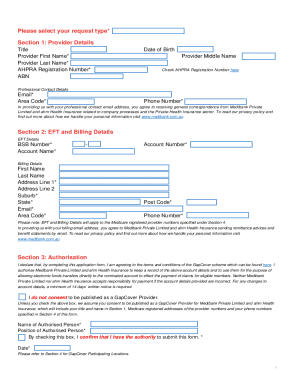







Definition and Meaning of 821 Form 2012
The "821 Form 2012" is a document used for specific tax or administrative purposes recognized by governmental agencies. This form is typically associated with applications or declarations that require detailed personal or business information. Understanding the purpose of this form is essential to determine whether it is relevant to your financial or legal obligations.
- Purpose: Allows individuals or businesses to provide necessary information to taxation or administrative bodies.
- Audience: Primarily used by taxpayers or entities in specific circumstances that necessitate compliance with federal or state laws.
How to Use the 821 Form 2012
Correct usage of the 821 Form 2012 involves several crucial steps and practices to ensure that all necessary information is accurately conveyed.
- Preparation: Gather all required supporting documents before starting the form.
- Filling Instructions: Follow specific instructions provided with the form for data entry, which may include electronic or handwritten submission.
- Review: Double-check entries for accuracy to prevent errors that could lead to compliance issues.
How to Obtain the 821 Form 2012
Accessing this form is a straightforward process, whether you choose digital or paper formats. Here’s how to acquire it:
- Online Access: Visit official government websites where you can download the form.
- Physical Copies: Request a paper form from local governmental offices if you prefer traditional methods.
Steps to Complete the 821 Form 2012
Completing the 821 Form 2012 requires careful attention to detail to ensure compliance and avoid processing delays.
- Begin by Gathering Documents: Collect identification, financial records, or previous tax documents as relevant.
- Understand Each Section: Familiarize yourself with each part of the form to ensure correct information placement.
- Accurate Data Entry: Input information carefully, paying attention to numbers and spellings.
- Attach Required Documents: Include all necessary attachments, such as supplemental forms or evidence.
- Final Review: Examine the completed form thoroughly, checking for omissions or misstatements.
- Submit: Follow instructions for submission, which can vary by form version.
Key Elements of the 821 Form 2012
Certain key components are universal across all versions of this form. Identifying these elements can assist in efficient completion.
- Personal Information: Includes name, address, and contact details.
- Financial Data: May require details of income, expenses, or assets.
- Signature Field: A space designated for the applicant’s signature, confirming the accuracy of the information provided.
Legal Use of the 821 Form 2012
Employing the 821 Form 2012 within its legal framework ensures compliance with pertinent laws and regulations.
- Compliance: Ensures that all legal obligations related to tax submissions or legal declarations are met.
- Authenticated Usage: Only use official versions provided by authorized sources to avoid legal challenges.
Who Typically Uses the 821 Form 2012
Various individuals and entities may need to complete this form, as dictated by their specific financial or administrative circumstances.
- Taxpayers: Individuals who fall under specific taxation criteria that mandate this form's use.
- Businesses: Entities that must report particular fiscal information related to operational activities.
- Professionals: Certain professions may require this form for licensing or compliance purposes.


Important Terms Related to 821 Form 2012
Navigating through the form requires understanding specific terminology to accurately interpret requirements:
- Declarant: The person or entity responsible for submitting the form.
- Schedule: Additional documentation or subsections that provide more detailed financial information.
- Adjustment: Corrections or changes that might need to be made to previous submissions.
Penalties for Non-Compliance
Failing to submit or incorrectly completing the 821 Form 2012 can result in significant consequences.
- Fines: Monetary penalties for failure to submit or inaccuracies.
- Interest Charges: Accumulating charges on unpaid amounts due to compliance failures.
- Legal Action: Risk of litigation or other legal ramifications for continued non-compliance.