

Judgment against garnishee 2026

Get Form
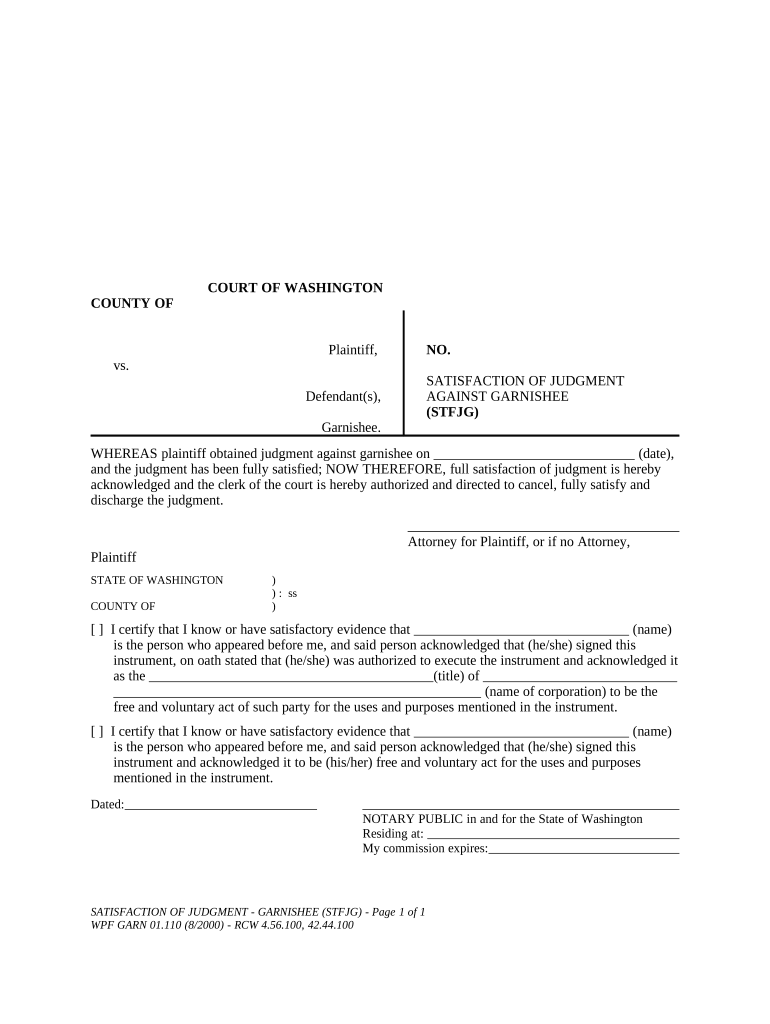
judgment against garnishee Preview on Page 1

Here's how it works

01. Edit your form online
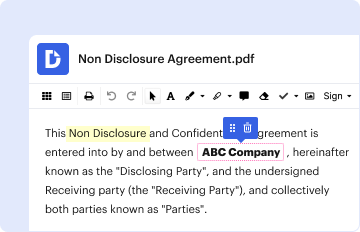
Type text, add images, blackout confidential details, add comments, highlights and more.
02. Sign it in a few clicks
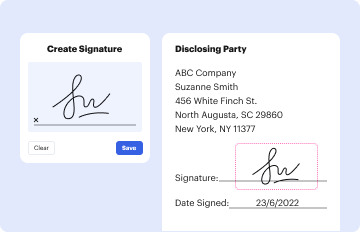
Draw your signature, type it, upload its image, or use your mobile device as a signature pad.
03. Share your form with others
Send it via email, link, or fax. You can also download it, export it or print it out.

How to use or fill out judgment against garnishee with our platform

Form edit decoration
9.5
Ease of Setup
DocHub User Ratings on G2
9.0
Ease of Use
DocHub User Ratings on G2
  1. Click ‘Get Form’ to open the judgment against garnishee document in the editor.
  2. Locate the date field where you need to enter the date when the judgment was obtained. Ensure this is accurate as it reflects the official record.
  3. In the section acknowledging full satisfaction of judgment, confirm that all obligations have been met and type your name or title as appropriate.
  4. If applicable, provide details about your attorney or indicate if you are representing yourself by filling in the relevant fields.
  5. Complete the notary section by entering the name of the person who will acknowledge your signature, ensuring they sign and date appropriately.
  6. Review all entries for accuracy before saving or exporting your completed form for submission.

Start using our platform today to streamline your document editing and ensure a hassle-free experience!

be ready to get more

Complete this form in 5 minutes or less

Get form

Got questions?

We have answers to the most popular questions from our customers. If you can't find an answer to your question, please contact us.
Contact us
A creditor may not garnish more than 25% of your wages per pay period. For individuals earning minimum wage or near minimum wage, you must be left with an amount equal to 30 times the Maryland minimum hourly wage.
If wage garnishment means that you cant pay for your familys basic needs, you can ask the court to order the debt collector to stop garnishing your wages or reduce the amount. This is called a Claim of Exemption.
Creditors generally cannot garnish more than 25 percent of your disposable wages. Disposable wages are the earnings that remain after deducting all withholdings required by law, or any of your disposable wages if you make less than $380 per week. These limits do not apply to judgments for child support.
In a debt collection lawsuit, a judgment is a court order that allows the debt collector to use stronger tools, like garnishment, to collect the debt. A judgment is an official result of a lawsuit in court.
You may request a hearing to contest the garnishment, especially if you believe the debt is invalid or paid. Keep records of payments and communications with creditors. Consulting a legal professional can clarify your rights and possible defenses. Respond promptly to court notices to avoid automatic wage deductions.

Security and compliance

At DocHub, your data security is our priority. We follow HIPAA, SOC2, GDPR, and other standards, so you can work on your documents with confidence.

Learn more
ccpa2
pci-dss
gdpr-compliance
hipaa
soc-compliance

People also ask

Any person or business can be subject to garnishment. The person who starts the process is called the judgment creditor or plaintiff; the person who owes the creditor is the judgment debtor or defendant. The person holding the property of the defendant, or who is indebted to the defendant, is the garnishee.

Related links