

Schedule fr deah beneficiaries 2026

Get Form
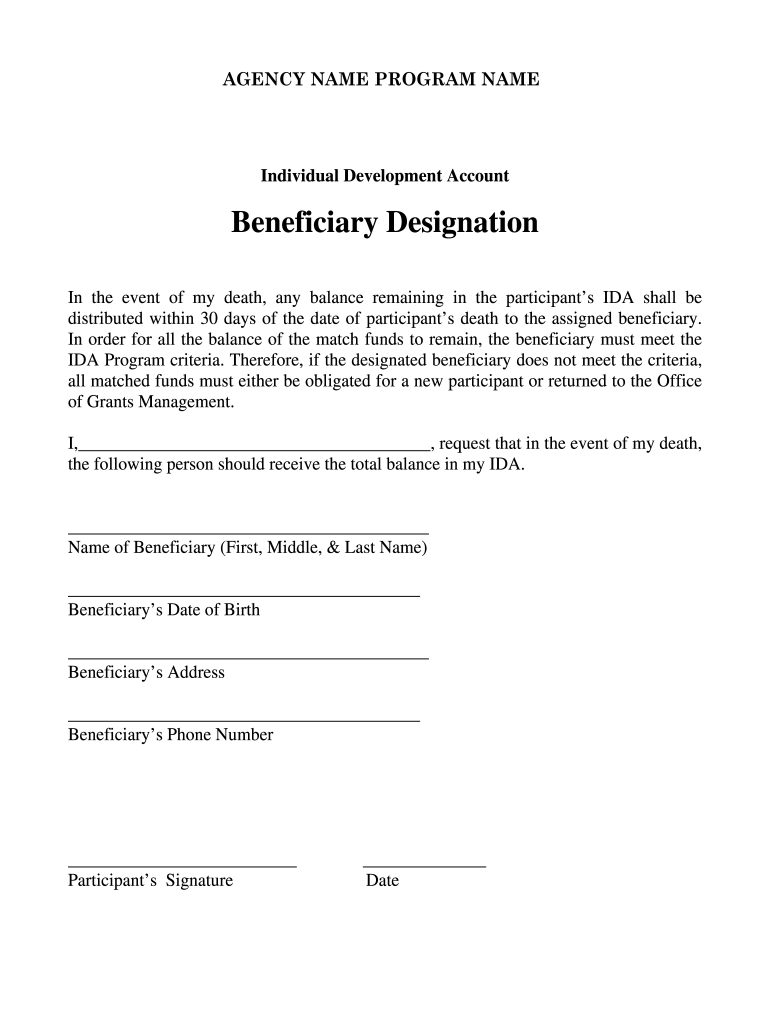
schedule fr deah beneficiaries Preview on Page 1

Here's how it works

01. Edit your form online
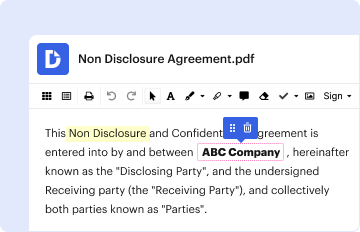
Type text, add images, blackout confidential details, add comments, highlights and more.
02. Sign it in a few clicks
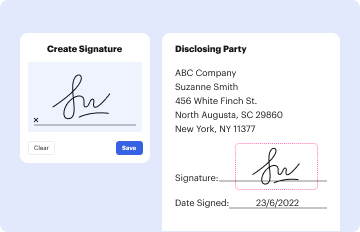
Draw your signature, type it, upload its image, or use your mobile device as a signature pad.
03. Share your form with others
Send it via email, link, or fax. You can also download it, export it or print it out.

How to use or fill out schedule fr deah beneficiaries with our platform

Form edit decoration
9.5
Ease of Setup
DocHub User Ratings on G2
9.0
Ease of Use
DocHub User Ratings on G2
  1. Click ‘Get Form’ to open it in the editor.
  2. Begin by entering your name in the designated field, ensuring it matches your official identification.
  3. Next, provide the full name of your chosen beneficiary, including their first, middle, and last names.
  4. Fill in the beneficiary’s date of birth accurately to comply with program requirements.
  5. Enter the complete address of the beneficiary, ensuring all details are correct for future correspondence.
  6. Include the beneficiary’s phone number for any necessary communication regarding the IDA balance.
  7. Finally, sign and date the form at the bottom to validate your request for beneficiary designation.

Start using our platform today to easily fill out and manage your schedule fr deah beneficiaries for free!

be ready to get more

Complete this form in 5 minutes or less

Get form

Got questions?

We have answers to the most popular questions from our customers. If you can't find an answer to your question, please contact us.
Contact us
Designated Beneficiaries Fully distribute all assets by the end of the tenth year after the year the account holder died. If the account owner had docHubed their required beginning date to start taking RMDs before they died, you will also be required to continue to take RMDs during the 10-year period.
Schedule K-1 is a tax document that you might receive if you are the beneficiary of a trust or estate. This document reports a beneficiarys share of income, deductions and credits from the trust or estate.
In general, so long as the beneficiary dies while the testator is still alive, the inheritance will pass on to the heirs surviving issue. This includes their lineal descendants, such as children, grandchildren, and great-grandchildren.
Schedule K-1 is a tax document that reports a beneficiarys share of income, deductions and credits from a trust or estate. Capital gains and losses are often not distributed to beneficiaries since they are considered part of the trust corpus.
The Trust Income Schedule (TIS) is a new schedule that needs to be lodged with the Tax Returns for individual and non-individual entities, where they are beneficiaries entitled to Trust income.

Security and compliance

At DocHub, your data security is our priority. We follow HIPAA, SOC2, GDPR, and other standards, so you can work on your documents with confidence.

Learn more
ccpa2
pci-dss
gdpr-compliance
hipaa
soc-compliance

People also ask

Form 8971 and copies of Schedules A provide information to the IRS about beneficiaries who acquired property from a decedent. Schedule A provides basis information to beneficiaries who acquire certain property from the decedent.
Use Schedule K-1 to report a beneficiarys share of the estates or trusts income, credits, deductions, etc., on your Form 1040 or 1040-SR. Keep it for your records.

Related links