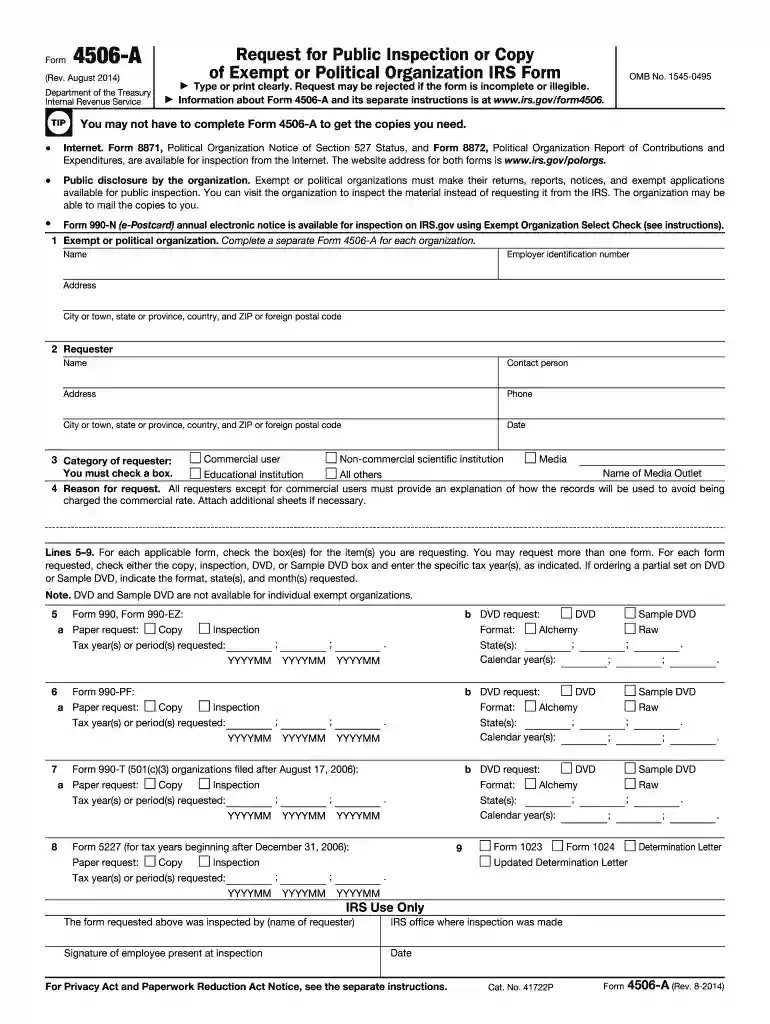
Understanding Free File Fillable Forms and Common Issues
Free File Fillable Forms are a critical resource for taxpayers looking to manage their tax obligations efficiently using electronic formats. These forms are provided by the Internal Revenue Service (IRS) and are designed specifically for those who prefer an online method to complete their tax documents. While the forms aim to ease the filing process, users often encounter various issues that can hinder proper completion. Understanding these problems and their solutions ensures a smoother experience during tax season.
Common Problems Encountered with Fillable Forms
Fillable forms may present a range of issues, which can impact taxpayers significantly. Some frequently reported problems include:
-
Technical Glitches: Users may experience software crashes or freezing when attempting to file online. These issues can often be resolved by clearing the browser cache or trying a different web browser.
-
Form Availability: At times, the IRS website may indicate that forms are "service unavailable," making it difficult to access necessary documents. Checking for updates on the site or waiting and trying again usually helps.
-
Data Submission Failures: Submitting completed forms electronically can sometimes fail, often due to internet connectivity issues or incorrect file formats. Ensuring a stable connection and confirming the correct format for submission are important steps to take.
-
Compatibility Issues: Certain browsers or devices may not fully support interactive features of fillable forms, leading to missed fields or incorrect data entry. Users are recommended to utilize the latest version of widely-supported browsers like Google Chrome or Firefox.
Steps to Address Reporting Errors
When encountering issues during the filling out of these forms, users can take specific steps to troubleshoot and rectify common issues. Here’s how to handle errors effectively:
-
Refresh the Page: If the form is unresponsive, refreshing the page can often reset the connection to the server.
-
Check for Updates: Ensure your browser and system are up to date to avoid compatibility issues.
-
Clear Cache and Cookies: This step resolves many common issues related to stored data interfering with form functionalities.
-
Reach Out to IRS Support: For persistent issues, contact the IRS customer service for guidance. They can provide specific solutions or alternative methods to access the needed forms.
Important Terms Related to Fillable Forms
Understanding key terminology associated with free file fillable forms can enhance a taxpayer's experience. Familiar terms include:
-
Interactive PDF: A form that allows users to enter data directly into specified fields and perform certain functions on the document itself.
-
Submission Confirmation: A notification received after successfully filing a form electronically, verifying the IRS has received the submission.
-
Error Codes: Specific numbers or messages displayed when a form cannot be processed, indicating the nature of the issue. Familiarizing oneself with these codes can expedite troubleshooting.
Who Typically Uses Free File Fillable Forms?
The primary users of these forms include:
-
Self-Employed Individuals: Freelancers and contractors who need to report their income and expenses accurately.
-
Students: Many students own part-time jobs and need to file taxes, especially if they receive grants or scholarships that may have tax implications.
-
Taxpayers with Simple Tax Situations: Individuals with straightforward tax filings, such as those without major deductions or complex situations, often find free fillable forms ideal for their needs.
Eligibility and Important Considerations
While the free file fillable forms are designed to be broadly available, there are crucial aspects related to eligibility and usage:
-
Income Limits: Certain income thresholds may apply to ensure taxpayers are eligible for specific forms or services.
-
U.S. Residency: Users must typically be U.S. citizens or residents for tax purposes.
-
Access and Availability: Considerations regarding browser compatibility and internet connectivity should be taken into account when planning to use these online services.
IRS Guidelines for Successful Filing
To ensure compliance and smooth filing, taxpayers should adhere to the IRS guidelines which are crucial in avoiding penalties or issues:
-
Filing Deadlines: Taxpayers should be acutely aware of filing deadlines to avoid late fees and penalties. The IRS website provides a calendar of tax-related due dates.
-
Required Documents: Gather all essential documents such as W-2s, 1099s, and any supporting documents that pertain to deductions or credits before starting the form.
-
Review for Accuracy: Before submission, thoroughly review all data entered into the form. Common errors can include incorrect Social Security numbers or misreported income.
These comprehensive insights into free file fillable forms can enhance taxpayer understanding, empower them to navigate challenges effectively, and ensure compliance with IRS regulations.