
Workplace conduct
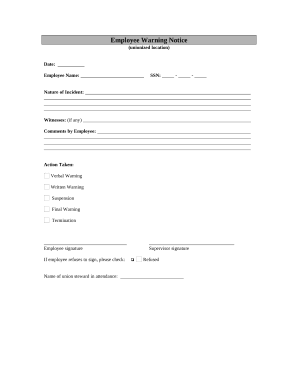

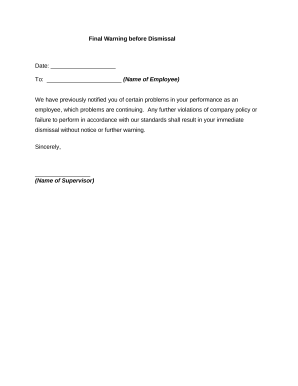

Increase your work productivity with Workplace conduct
Record managing consumes to half of your business hours. With DocHub, you can easily reclaim your time and effort and increase your team's productivity. Access Workplace conduct category and check out all form templates related to your day-to-day workflows.
Effortlessly use Workplace conduct:
- Open Workplace conduct and employ Preview to obtain the appropriate form.
- Click on Get Form to start working on it.
- Wait for your form to open in our online editor and begin editing it.
- Add new fillable fields, icons, and pictures, modify pages order, and many more.
- Fill your file or prepare it for other contributors.
- Download or deliver the form by link, email attachment, or invite.
Boost your day-to-day document managing using our Workplace conduct. Get your free DocHub account right now to discover all forms.
Video Guide on Workplace conduct management

Commonly Asked Questions about Workplace conduct
What are the 5 ethical code of conduct standards?
The Rules of Conduct are based on ethical principles of honesty, integrity, competence, service, respect, and responsibility.
What does workplace conduct mean?
What is an employee code of conduct? An employee code of conduct (also called a staff code of conduct) is a set of rules about how employees can and cant behave during work hours. It shares your expectations for how team members will conduct themselves when theyre on the clock.
What are the five codes of conduct?
An employers employee handbook may include several sorts of codes of conduct, including these five principles: integrity. objectivity. competence. confidentiality. professionalism.
What is professional conduct in the workplace?
Workplace Behavior: This encompasses qualities like professionalism, punctuality, adherence to deadlines, respect for others, and reliability. Encouraging Professional Behavior: Key strategies include setting clear expectations, leading by example, rewarding professionalism, and providing regular training.
What are the 5 common codes of ethics?
By adhering to the five common codes of ethics - integrity, respect, compliance, responsibility, and professionalism - you can ensure that your business is ethical, sustainable, and successful.
What are the 5 principles of the code of conduct?
It is divided into three sections, and is underpinned by the five fundamental principles of Integrity, Objectivity, Professional competence and due care, Confidentiality, and Professional behaviour.
What are the five rules of conduct?
The Rules of Conduct are based on ethical principles of honesty, integrity, competence, service, respect and responsibility.
What are 3 examples of ethical conduct in the workplace?
10 ethical behaviour examples for the workplace Punctuality. Following rules of conduct. Respecting other people. Helping teammates accomplish organisation goals. Maintaining a professional demeanour. Exercising accountability. Delivering high-quality work. Serving the customer.