

Get and manage Recordation Legal Documents online

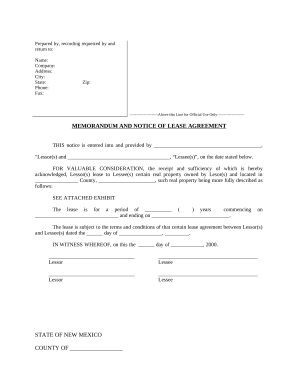
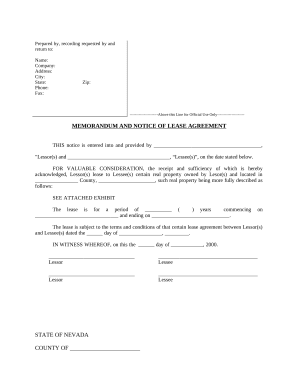
Accelerate your file managing using our Recordation Legal Documents collection with ready-made templates that suit your requirements. Access your document, edit it, fill it, and share it with your contributors without breaking a sweat. Begin working more effectively together with your documents.

The best way to use our Recordation Legal Documents:

  1. Open our Recordation Legal Documents and search for the form you need.
  2. Preview your form to ensure it’s what you want, and click on Get Form to start working on it.
  3. Modify, add new text, or point out important information with DocHub tools.
  4. Prepare your form and save the adjustments.
  5. Download or share your document with other recipients.

Examine all the opportunities for your online file management with our Recordation Legal Documents. Get your free free DocHub profile today!


Video Guide on Recordation Legal Documents management

video background

Commonly Asked Questions about Recordation Legal Documents

Recordation of a document in the Copyright Office gives all persons constructive notice of the facts stated in the recorded document, but only if (1) the document, or material attached to it, specifically identifies the work to which it pertains so that, after the document is indexed by the Register of Copy- rights,
Typically, a document may be mailed to the county recorders office with the required fees, documents for recording, completed preliminary change of ownership report, and relevant information about the identity of the person submitting the recording, and the name and address where the document is to be returned. How to Record Real Estate Documents in California - Schorr Law schorr-law.com how-to-record-real-estate-docu schorr-law.com how-to-record-real-estate-docu
The purpose of recording is to establish priority, who was there first, who was there second. For example, a first mortgage is called a first mortgage because that lender was the first to record. A second mortgage is called a second because that lender was the second to record. So, by recording you establish priority.
The requirements for paper size can vary by country, but the U.S. follows the American National Standards Institute (ANSI) standards. Unlike the common paper size that most people use day-to-day, which is 8.5 x 11 inches, legal paper is larger at 8.5 x 14 inches. Junior legal size is smaller at 5 x 8 inches.
n. the act of entering a legal document in a public registry or records office (View Citations)
Transaction documents refer to records that log every transaction you make in your business. This includes purchases, deals, and contracts. It is recognized by the law as any agreement made between two parties or more. It has many types, and the most common one that many people know is an invoice.
(ˌrɛkɔːˈdeɪʃən ) noun. 1. formal. the act or process of recording something in the official records.
Recording is the act of putting a document into official county records, especially for real estate and property transactions, that provides a traceable chain of title. Recorded documents do not establish who owns a property.
