Improve your productiveness with Professional Letters

Document managing occupies to half of your office hours. With DocHub, it is possible to reclaim your office time and boost your team's efficiency. Access Professional Letters collection and discover all form templates related to your day-to-day workflows.

Effortlessly use Professional Letters:

  1. Open Professional Letters and utilize Preview to find the appropriate form.
  2. Click Get Form to begin working on it.
  3. Wait for your form to upload in our online editor and begin modifying it.
  4. Add new fillable fields, icons, and images, change pages order, etc.
  5. Complete your template or prepare it for other contributors.
  6. Download or deliver the form by link, email attachment, or invite.

Speed up your day-to-day file managing with our Professional Letters. Get your free DocHub account right now to discover all forms.


Video Guide on Professional Letters management

video background

Commonly Asked Questions about Professional Letters

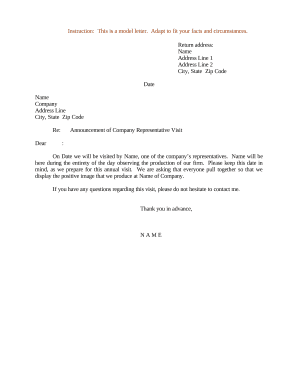
Professional letters are often used to communicate with a group outside an organization such as clients, customers, or other companies.
Answer. The format of an authorization letter should include the date, the name of the person to whom it is addressed, details about the person who has been authorized (such as name and identity proof), the reason for his absence, the duration of the authorized letter, and the action to be performed by another person.
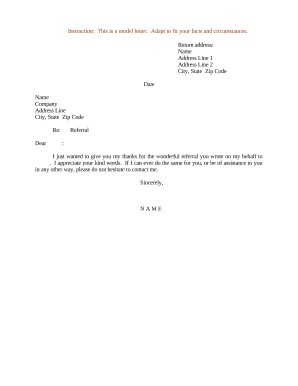
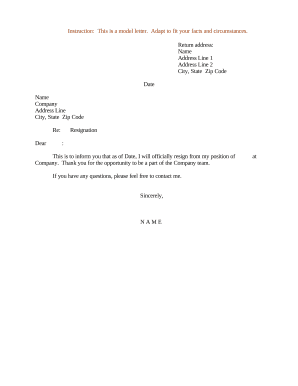
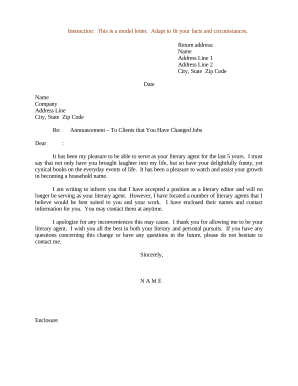
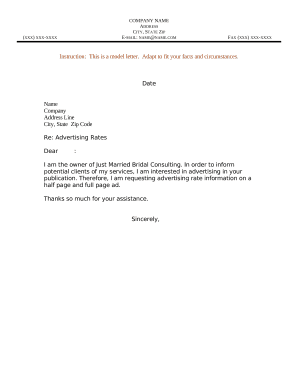
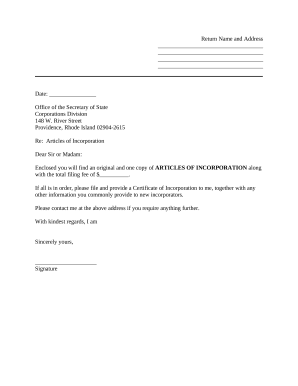
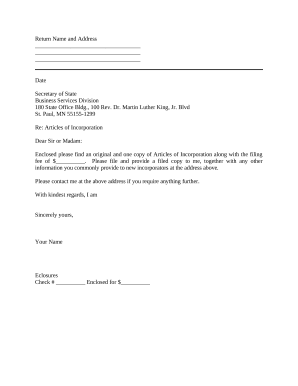
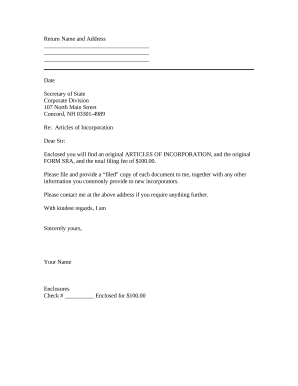
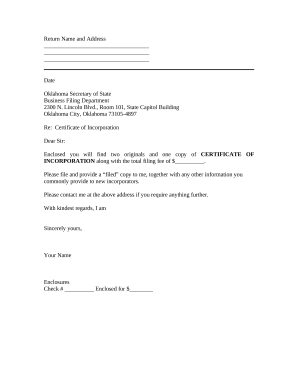
What to include in an official letter A heading that lists your address and the recipients address. A formal salutation. One paragraph stating your reasons for writing the letter. Another paragraph expanding further on the introduction paragraph. A final paragraph concluding the letter. Closing letter signature.
2 Start With a Proper Format: Formal letters have a specific layout that includes the senders address, date, recipients address, salutation, body, close, and signature. Align your text to the left and use a professional font like Times New Roman or Arial.
Use the following steps as a guide: Enter your contact information. Include the date. Add the recipients contact information. Start with the most appropriate greeting. Use the most professional form of the recipients name. Begin the letter with an agreeable tone. Open with the purpose of writing the letter.
What should I keep in mind while writing a professional letter? Be sure to use clear, concise language. Be direct. Do not use too technical terms - write in language the reader will understand. Be mindful of tone. Direct the focus of the letter on the reader. Keep letters short and to the point.
You will know the recipients name in most situations, so the salutation should be Dear, followed by Mr. or Mrs. and the recipients last name. If you are addressing a larger group of people, the salutation can be To, followed by the name of the organization or department you are addressing to.