
Get and handle Privacy Law online
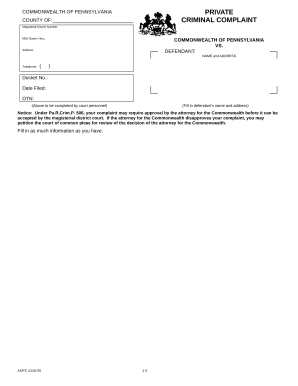
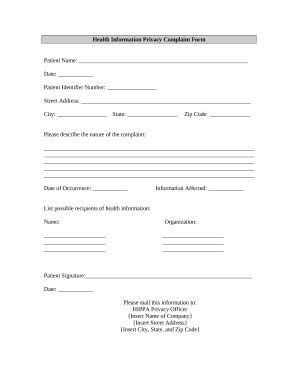
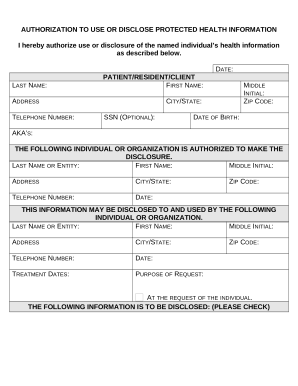
Accelerate your document operations using our Privacy Law library with ready-made form templates that meet your requirements. Access the form template, edit it, complete it, and share it with your contributors without breaking a sweat. Start working more effectively with your documents.
The best way to manage our Privacy Law:
- Open our Privacy Law and find the form you want.
- Preview your document to ensure it’s what you want, and click Get Form to start working on it.
- Edit, add new text, or highlight important information with DocHub features.
- Fill out your form and save the adjustments.
- Download or share your form with other recipients.
Explore all the possibilities for your online file management with our Privacy Law. Get a totally free DocHub account right now!
Video Guide on Privacy Law management

Commonly Asked Questions about Privacy Law
What are the main privacy requirements of the law?
The Privacy Act provides protections to individuals in three primary ways. It provides individuals with: the right to request their records, subject to Privacy Act exemptions; the right to request a change to their records that are not accurate, relevant, timely or complete; and.
Who enforces privacy laws?
The Department of Justices Privacy Unit: Enforces state and federal privacy laws. Empowers Californians with information on their rights and strategies for protecting their privacy. Encourages businesses to follow privacy-respectful best practices.
Law What law protects privacy?
The Privacy Act of 1974, as amended, 5 U.S.C. 552a , establishes a code of fair information practices that governs the collection, maintenance, use, and dissemination of information about individuals that is maintained in systems of records by federal agencies. Privacy Act of 1974 - Department of Justice justice.gov opcl privacy-act-1974 justice.gov opcl privacy-act-1974
What is protected under the Privacy Act?
The Privacy Act grants individuals increased rights of access to records maintained about them as well as the right to seek amendment of records maintained about them.
Is invasion of privacy illegal in Canada?
This right is based on a law called the Privacy Act, which makes it a tort to invade another persons privacy. If You Sue, What is the Job of the Judge? The judge must determine whether the defendant invaded your privacy intentionally and without any legal basis for the privacy invasion.
How do privacy laws work?
The Privacy Act of 1974 establishes rules for collecting, maintaining, using, and disseminating personal information by all federal agencies. Individuals have the right to know what information is being collected, how that data is being utilized, and the ability to request corrections.
What are the two main privacy laws in Canada?
the Privacy Act, which covers how the federal government handles personal information; the Personal Information Protection and Electronic Documents Act ( PIPEDA ), which covers how businesses handle personal information.
What law is the law of privacy?
The Privacy Act of 1974, as amended, 5 U.S.C. 552a , establishes a code of fair information practices that governs the collection, maintenance, use, and dissemination of information about individuals that is maintained in systems of records by federal agencies.