
Legal Trusts

Create a new Legal Trust
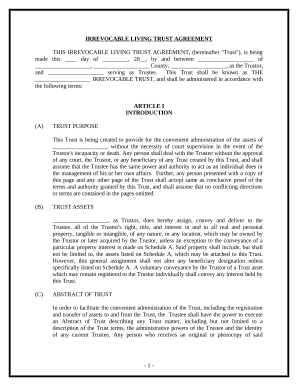
Living trust irrevocable
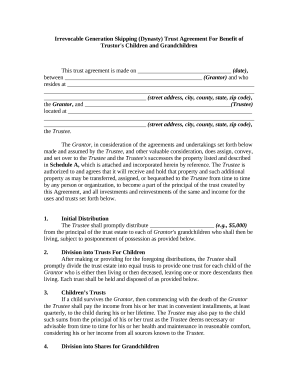
Trust grandchildren

Amendment to Living Trust - California
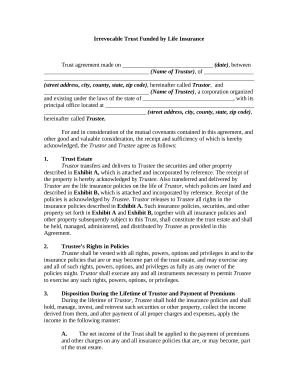
Irrevocable trust form
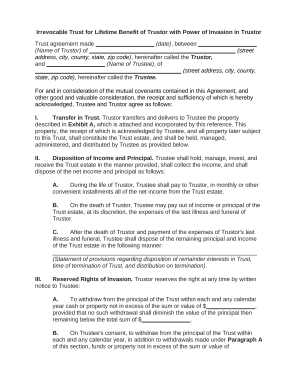
Irrevocable trust sample
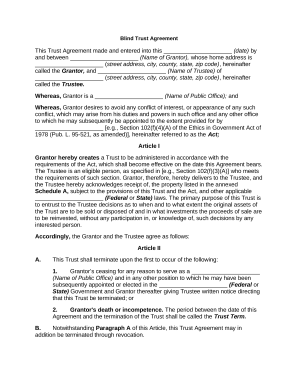
Sample blind trust agreement
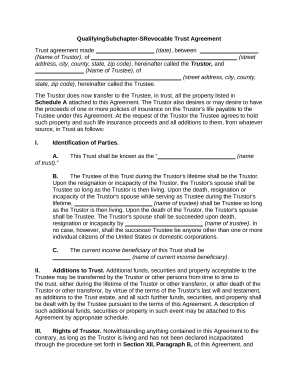
Subchapter s
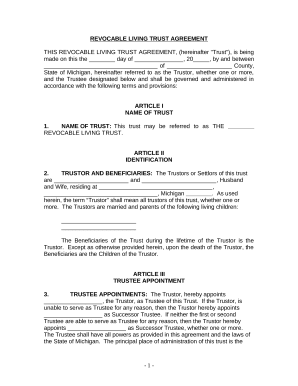
Michigan trust
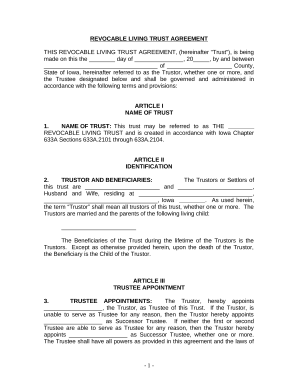
Living Trust for Husband and Wife with One Child - Iowa
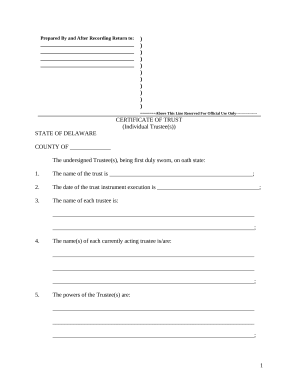
Delaware certificate

Revocation of Living Trust - Oregon
Supercharge your productiveness with Legal Trusts
Document managing occupies to half of your office hours. With DocHub, it is easy to reclaim your office time and boost your team's efficiency. Get Legal Trusts collection and explore all form templates relevant to your everyday workflows.
Easily use Legal Trusts:
- Open Legal Trusts and employ Preview to get the suitable form.
- Click on Get Form to start working on it.
- Wait for your form to upload in our online editor and begin editing it.
- Add new fillable fields, symbols, and pictures, adjust pages order, etc.
- Fill your form or set it for other contributors.
- Download or deliver the form by link, email attachment, or invite.
Accelerate your everyday file managing with our Legal Trusts. Get your free DocHub account right now to discover all templates.
Video Guide on Legal Trusts management

Commonly Asked Questions about Legal Trusts
Why use a trust instead of a will?
A living trust, unlike a will, can keep your assets out of probate proceedings. A trustor names a trustee to manage the assets of the trust indefinitely. Wills name an executor to manage the assets of the probate estate only until probate closes.
What is the best type of trust to have?
An irrevocable trust provides you with more protection. While you cant modify it, creditors cant easily make claims against it, and assets held within it can generally be passed on to beneficiaries without being subject to estate tax.
What is the primary purpose of a trust?
A trust is a legal contract that ensures your assets are managed ing to your wishes during and after your lifetime. Among the many benefits trusts offer are potential tax benefits and the ability to set parameters for how and when your assets will be used and distributed.
Function What is the purpose of a legal trust?
In general, a trust is a relationship in which one person holds title to property, subject to an obligation to keep or use the property for the benefit of another. A trust is formed under state law. Definition of a trust | Internal Revenue Service irs.gov charities-non-profits definition-o irs.gov charities-non-profits definition-o
What are the disadvantages of a trust account?
What Are the Disadvantages of a Trust? Loss of Control. Setting up the trust necessitates you giving up some amount of control of the assets you place within the trust. Loss of Asset Access. Cost. Recordkeeping Complexity. High Need for Competency.
Explained How does a legal trust work?
A trust is a fiduciary arrangement that allows a third party, or trustee, to hold assets on behalf of a beneficiary or beneficiaries. Trusts can be arranged in many ways and can specify exactly how and when the assets pass to the beneficiaries. What Is A Trust? - Fidelity Investments fidelity.com estate-planning trusts fidelity.com estate-planning trusts
What is the major disadvantage of a trust?
Trusts offer amazing benefits, but they also come with potential downsides like loss of control, limited access to assets, costs, and recordkeeping difficulties.
What is the original purpose of a trust?
The trust was an addition to the law of property, in the situation where one person held legal title to property but the courts decided it was fair just or equitable that this person be compelled to use it for the benefit of another.
Legality What makes a trust legal?
A trust is a legal entity which is created to hold assets for the benefit of certain persons or entities. TRUSTS - BDO South Africa bdo.co.za getmedia bdo-trust bdo.co.za getmedia bdo-trust
What are the three types of trust?
With that said, revocable trusts, irrevocable trusts, and asset protection trusts are among some of the most common types to consider.


