
Charitable trust 2026

Get Form
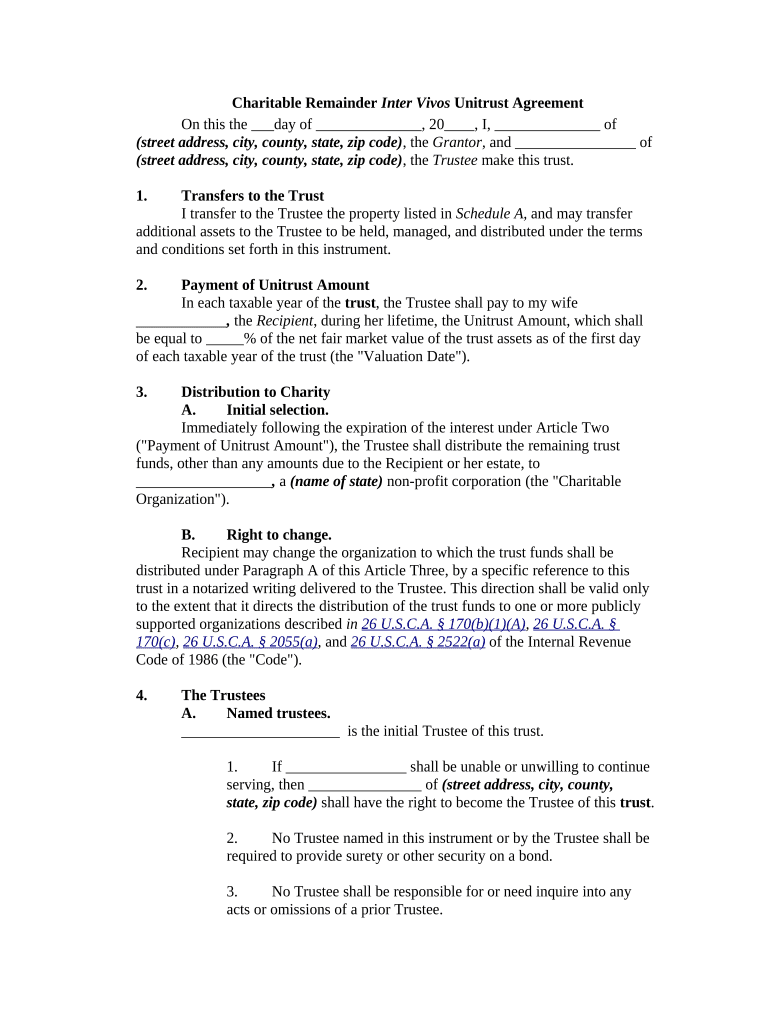
charitable trust Preview on Page 1

Here's how it works

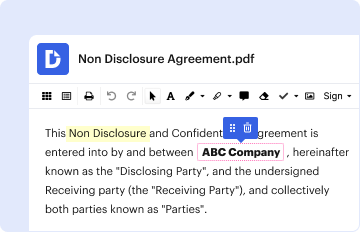
01. Edit your form online
Type text, add images, blackout confidential details, add comments, highlights and more.
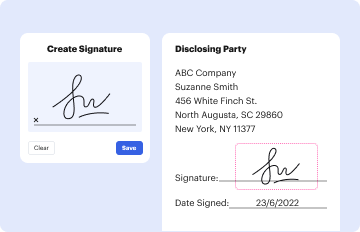
02. Sign it in a few clicks
Draw your signature, type it, upload its image, or use your mobile device as a signature pad.
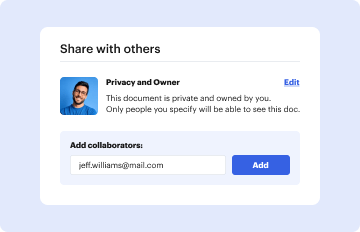
03. Share your form with others
Send it via email, link, or fax. You can also download it, export it or print it out.

How to use or fill out charitable trust with our platform

Form edit decoration
9.5
Ease of Setup
DocHub User Ratings on G2
9.0
Ease of Use
DocHub User Ratings on G2
  1. Click ‘Get Form’ to open the Charitable Trust Agreement in the editor.
  2. Begin by filling in the date and your name as the Grantor, along with your address details. This establishes your identity and intent.
  3. In the 'Transfers to the Trust' section, list the property you are transferring to the Trustee as specified in Schedule A. Ensure all assets are accurately described.
  4. For 'Payment of Unitrust Amount', specify the percentage of net fair market value that will be paid annually to the Recipient. This is crucial for determining future distributions.
  5. In 'Distribution to Charity', identify the Charitable Organization that will receive remaining funds after payments. You may also include provisions for changing this organization if needed.
  6. Complete sections regarding Trustees, including their names and addresses, ensuring clarity on roles and responsibilities.
  7. Review all entries for accuracy before saving or exporting your completed document. Utilize our platform's features for easy sharing or signing.

Start using our platform today to effortlessly complete your Charitable Trust Agreement online for free!

be ready to get more

Complete this form in 5 minutes or less

Get form

Got questions?

We have answers to the most popular questions from our customers. If you can't find an answer to your question, please contact us.
Contact us
Initial Registration fee required from charity registration applicants updated to $50. Note: Please expect 30-90 days to process filings (forms and/or supporting documentation) from the date received. We will reply, if necessary. Please check the Registry Search Tool for updates.
Reasons to create a charitable remainder trust Charitable remainder trusts can offer many benefits, including: Help you plan major donations to charities you support. Provide a predictable income for life or over a specific time period. Allow you to defer income taxes on the sale of assets transferred to the trust.
Based on how you set up the trust, you or your stated beneficiaries can receive income annually, semi-annually, quarterly or monthly. Per the IRS, the annual annuity must be at least 5% but no more than 50% of the trusts assets.
Disadvantages of charitable status This will include annual reporting and the appointment of trustees. Charity trustees must always act in the best interests of the charity, avoiding any personal conflicts of interest. Many charities struggle to recruit the trustees needed to operate effectively.
Charitable trusts allow donors to support charities while benefiting from tax and estate planning advantages. There are two main types of charitable trusts: charitable remainder trusts and charitable lead trusts. Charitable trusts can be structured in a variety of ways to meet the donors specific needs and goals.

Security and compliance

At DocHub, your data security is our priority. We follow HIPAA, SOC2, GDPR, and other standards, so you can work on your documents with confidence.

Learn more
ccpa2
pci-dss
gdpr-compliance
hipaa
soc-compliance
be ready to get more

Complete this form in 5 minutes or less

Get form

People also ask

A charitable trust is a way to hold and protect assets (money, property, etc) for charitable purposes. The trusts assets are managed according to the purpose set out in a trust deed, or an agreed set of rules.
One of the key reasons to use a charitable lead trust is for the dual benefit of making current gifts to a charitable organization while still leaving a large portion of your assets to your heirs and simultaneously reducing your estate and gift taxes.

Related links