Enhance your production with Federal Law Forms

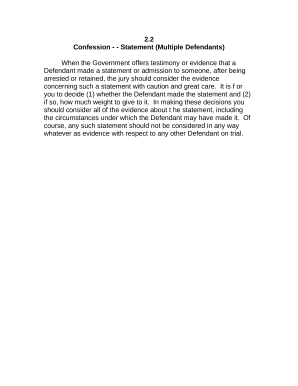
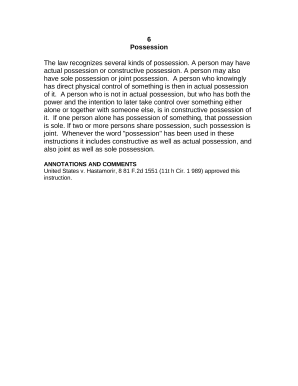
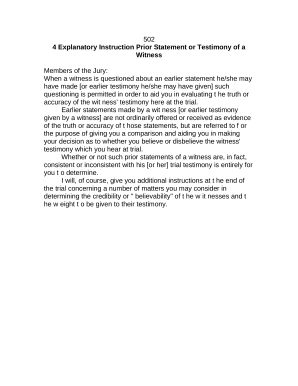
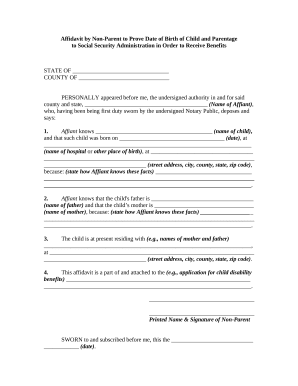
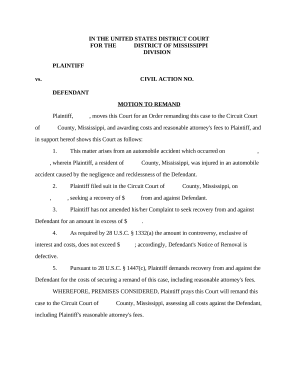
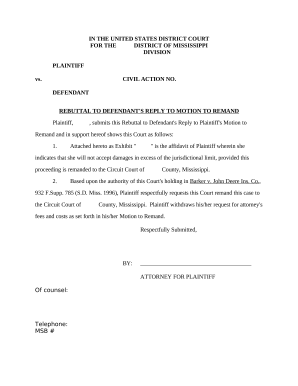
Papers management consumes to half of your office hours. With DocHub, it is possible to reclaim your office time and boost your team's productivity. Access Federal Law Forms collection and discover all templates relevant to your day-to-day workflows.

Effortlessly use Federal Law Forms:

  1. Open Federal Law Forms and employ Preview to get the appropriate form.
  2. Click on Get Form to begin working on it.
  3. Wait for your form to open in the online editor and start modifying it.
  4. Add new fillable fields, icons, and pictures, modify pages, and many more.
  5. Fill out your file or prepare it for other contributors.
  6. Download or deliver the form by link, email attachment, or invite.

Accelerate your day-to-day file management with the Federal Law Forms. Get your free DocHub account today to explore all forms.


Video Guide on Federal Law Forms management

video background

Commonly Asked Questions about Federal Law Forms

(the law-of-the-case doctrine involves the exercise of appellate discretion rather than binding legal doctrine; the law-of-the-case doctrine does not preclude an appellate court from examining the legal ruling of a subordinate court in a case where the JAG has not certified the issue; however, such a court is reluctant
These sources are: Constitutional Law: The U.S. Constitution is the highest source of law in the country. Statutory Law: Statutory laws are created by legislatures at the federal, state, and local levels. Case Law: Case law refers to the decisions made by judges in previous court cases.
Choice of law is a set of rules to used select which jurisdictions laws to apply in a lawsuit. Choice of law questions most frequently arise in lawsuits in the federal courts that are based on diversity jurisdiction, where the plaintiff and defendant are from different states.
Nonetheless, the Supreme Court has recognized that federal common law still exists in two instances: where a federal rule of decision is necessary to protect uniquely federal interests and where Congress has given the courts the power to develop substantive law.
Federal courts are courts of limited jurisdiction, meaning they can only hear cases authorized by the United States Constitution or federal statutes. The federal district court is the starting point for any case arising under federal statutes, the Constitution, or treaties.
More specifically, federal courts hear criminal, civil, and bankruptcy cases.
Federal courts have jurisdiction over cases involving: the United States government, the Constitution or federal laws, or. controversies between states or between the U.S. government and foreign governments.