
Domestic Violence Legal Forms

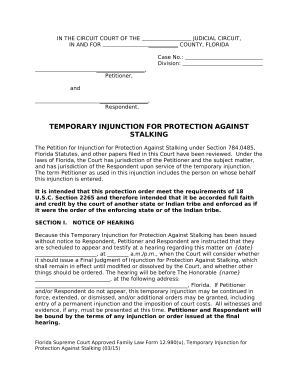
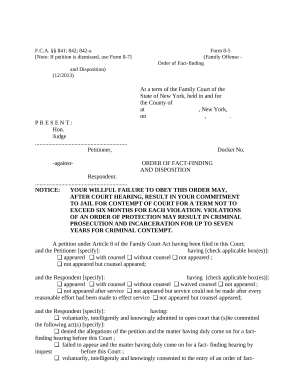
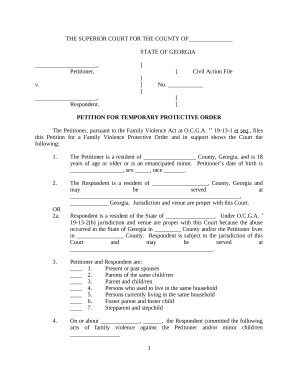

Get and handle Domestic Violence Legal Forms online
Improve your file administration using our Domestic Violence Legal Forms library with ready-made form templates that meet your requirements. Access your document template, change it, complete it, and share it with your contributors without breaking a sweat. Start working more effectively with the forms.
The best way to use our Domestic Violence Legal Forms:
- Open our Domestic Violence Legal Forms and find the form you want.
- Preview your form to ensure it’s what you want, and click Get Form to start working on it.
- Edit, add new text, or point out important information with DocHub features.
- Fill out your form and save the changes.
- Download or share your document template with other recipients.
Discover all of the possibilities for your online document administration with the Domestic Violence Legal Forms. Get a free free DocHub profile today!
Video Guide on Domestic Violence Legal Forms management

Commonly Asked Questions about Domestic Violence Legal Forms
How to modify an order of protection in NY?
If you want to make changes to an order, you must request them from the court that issued the order (which is usually family court). The abuser and the attorney for the child, if there is one, would be notified and a hearing would be held where the judge would decide whether or not to grant the modification.
How to file a restraining order in NY?
First you would file a family offense petition with the Family Court clerk. An advocate can guide you through this process, but you can also file alone. After filing the family offense petition, a judge will ask to speak to you. If there is good cause, the judge will issue a temporary order of protection.
What is a refrain from the order of protection in NY?
If it is a Refrain From Order of Protection, you can live together and have contact, but you are prohibited from harassing, intimidating, threatening or otherwise interfering with the person protected by the Order.
What proof do you need for a restraining order in NY?
Proving Harm Your testimony that the respondent harmed you. The testimony of any witnesses, such as a family member, who saw the respondent harm you. A police report that documents physical harm you sustained as well as any history of repeat violence. Medical records reflecting treatment for harm done.
Is an order of protection the same as a restraining order in NY?
In New York, an order of protection is a legal term that refers to a protective order, commonly referred to as a restraining order, issued by the court as a means to help keep a person safe from further abuse or other harm or harassment.
What is the order of protection in Saratoga County?
A protective order can safeguard the petitioner from domestic violence. Orders of protection in Saratoga Springs restrict individuals from engaging in a wide range of behaviors. In New York, an order can compel a respondent to: Refrain from contacting the petitioner via phone, mail, email, text, or any social media.
What are the 8 forms of violence?
Physical Violence. Physical violence occurs when someone uses a part of their body or an object to control a persons actions. Sexual Violence. Emotional Violence. Psychological Violence. Spiritual Violence. Cultural Violence. Verbal Abuse. Financial Abuse.
How long does an order of protection last in NY?
A Family Court order of protection can last up to two years. Under aggravating circumstances, a family court order may last up to 5 years. A final order of protection from Criminal Court can last up to 8 years depending on the matter or what crime is committed.


