Improve your template managing with Connecticut Rental Agreements

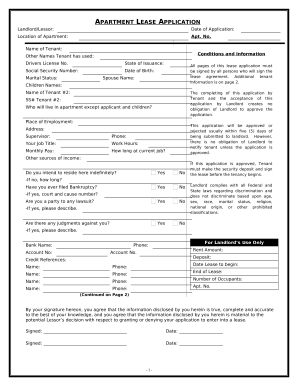
Your workflows always benefit when you can discover all of the forms and files you need on hand. DocHub gives a a huge collection of forms to relieve your daily pains. Get hold of Connecticut Rental Agreements category and easily discover your form.

Start working with Connecticut Rental Agreements in a few clicks:

  1. Access Connecticut Rental Agreements and find the form you require.
  2. Click on Get Form to open it in the editor.
  3. Start modifying your document: add fillable fields, highlight paragraphs, or blackout sensitive data.
  4. The app saves your adjustments automatically, and once you are all set, you can download or distribute your file with other contributors.

Enjoy easy record managing with DocHub. Discover our Connecticut Rental Agreements category and look for your form right now!


Commonly Asked Questions about Connecticut Rental Agreements

A Connecticut standard lease agreement is a fixed contract that allows a landlord to rent property to a tenant in exchange for rent payments. This type of contract has a start and end date.
A month-to-month rental agreement in Connecticut is a tenant and landlord contract. Under this agreement, the tenant pays the landlord a monthly fee or rent in exchange for the propertys right to occupy. The rental agreement automatically renews each month until either party gives proper notice to terminate it.
Since the tenants agreement is tied to the property, they have the right to stay there after the property is sold. If no arrangements are made for the lease to terminate legally, the new landlord must honor the lease until it expires. If the new landlord wants the tenant out, they can form a cash for keys agreement.
Frequently Asked Questions. Does a Lease need to be docHubd in Connecticut? No, Connecticut Lease Agreements do not need to be docHubd. The Lease is legally binding and fully enforceable as long as its signed by both parties.
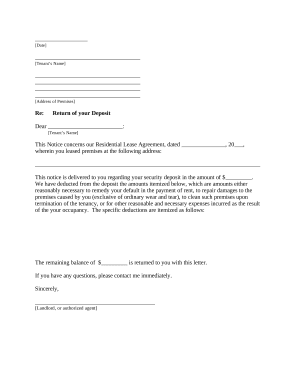
Beginning October 1, 2023, landlords must return tenants security deposits, with interest on the deposits, within 21 days (rather than 30 days), or within 15 days after receiving written notification of a tenants forwarding address, whichever is later.
Rental prices in Connecticut are usually high, which is a great opportunity for landlords. However, some many laws and conditions benefit tenants in cases of dispute. If we look at it from a renters perspective, Connecticut can be considered a landlord-friendly state as long as theyre compliant with Connecticut law.
This form is a residential tenancy agreement (standard lease). Landlords of most private residential rental units must use this form (standard lease) when they enter into a tenancy with a tenant.
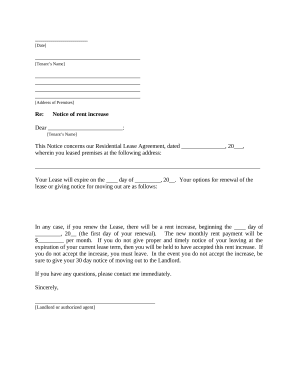
In Connecticut, there are no statewide rent control policies, which means there is not a legally enforced limit by which landlords can increase rent. However, landlords should consider the terms of individual leases and respect the notice period for tenants currently in a lease agreement.