Handle Compliance Forms effortlessly online

Document administration can stress you when you can’t locate all of the documents you need. Luckily, with DocHub's considerable form collection, you can discover everything you need and promptly deal with it without the need of changing between programs. Get our Compliance Forms and begin working with them.

The best way to manage our Compliance Forms using these simple steps:

  1. Browse Compliance Forms and choose the form you need.
  2. Preview the template and click on Get Form.
  3. Wait for it to upload in our online editor.
  4. Alter your document: add new information and pictures, and fillable fields or blackout certain parts if needed.
  5. Prepare your document, save adjustments, and prepare it for sending.
  6. When all set, download your form or share it with other contributors.

Try out DocHub and browse our Compliance Forms category without trouble. Get a free account right now!


Video Guide on Compliance Forms management

video background

Commonly Asked Questions about Compliance Forms

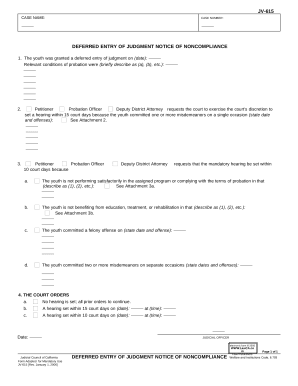
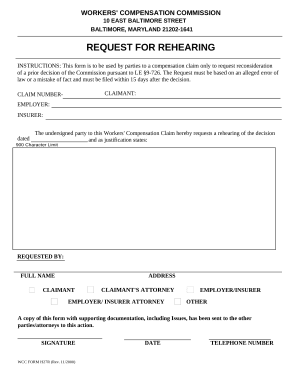
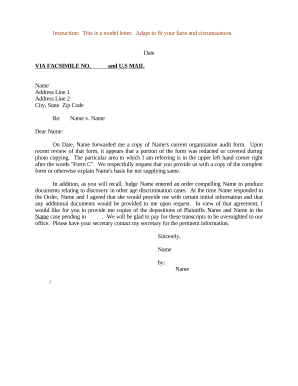
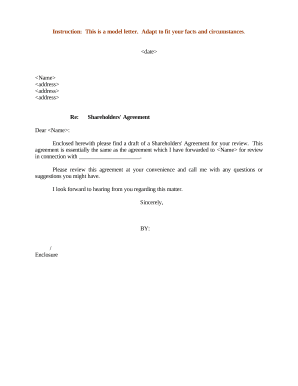
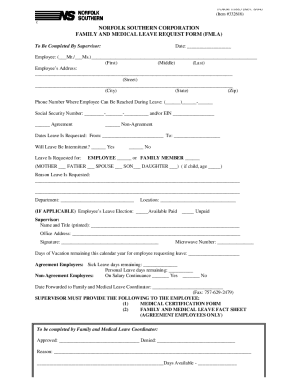
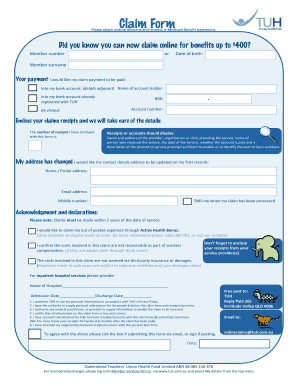
Some of the examples of compliance documents sourced are Full Material Disclosures (FMD), Certificates of Compliance (CoC), Statements of Compliance (SoC) or Conflict Minerals Reporting Templates (CMRT).
At its most basic level, a compliance program is a set of internal policies and procedures that you put into place to help your organization comply with the law.
Compliance documentation consists of specific records and reports of information required to verify the implementation of a compliance program. So, to simplify, it is a record of what type of compliance program you have in place, and also documents what the program includes.
A compliance form is a tool or template that provides sample policies, procedures, checklists, and other resources to assist organisations and their compliance managers in implementing their compliance measures and staying in line with relevant industry regulations and frameworks. [FREE GUIDE]
The purpose of compliance is to adhere to both internal policies and procedures, along with governmental laws. By implementing compliance procedures protects your companys reputational risk and improves your companys vision and value as well prevent and detect violations of rules.
8 steps to develop a strong compliance strategy Define your goals. Align with your corporate culture. Establish a functional scope. Understand the regulatory environment. Develop formal policies, procedures, and standards. Train your employees. Ensure accurate record-keeping. Monitor compliance.
At its most basic level, a compliance program is a set of internal policies and procedures that you put into place to help your organization comply with the law. An effective compliance program can enhance your organizations operations, improve quality of care and reduce overall costs.